
Your Pipes, Sorted! Find reliable help for installing pipes near you with this easy guide, ensuring a smooth installation and a leak-free home. Get the job done right, the first time.
Ever stared at a plumbing project and felt a little lost? Installing new pipes or extending existing ones can seem daunting, especially when you’re not sure where to start. Leaky faucets, inefficient water flow, or the desire for a new bathroom can all lead you to this common home maintenance task. Don’t let the thought of pipes and fittings get you down! This guide breaks down everything you need to know about finding the right help for any pipe installation project right in your local area. We’ll walk through what to look for, how to prepare, and what to expect, making sure you feel confident every step of the way.
Why Finding the Right “Install Pipes Near Me” Expert Matters

When you search for “install pipes near me,” you’re looking for more than just a service; you’re looking for someone who can bring your plumbing vision to life safely and efficiently. Poorly installed pipes can lead to a cascade of problems: leaks that can cause water damage, decreased water pressure affecting your daily comfort, and even increased utility bills.
In older homes, incorrect pipe materials or installation methods can pose health risks, like the potential for lead contamination. Choosing a skilled professional ensures your plumbing system is not only functional but also compliant with local building codes and regulations, protecting your investment and your family’s well-being.
Understanding Your Pipe Installation Needs
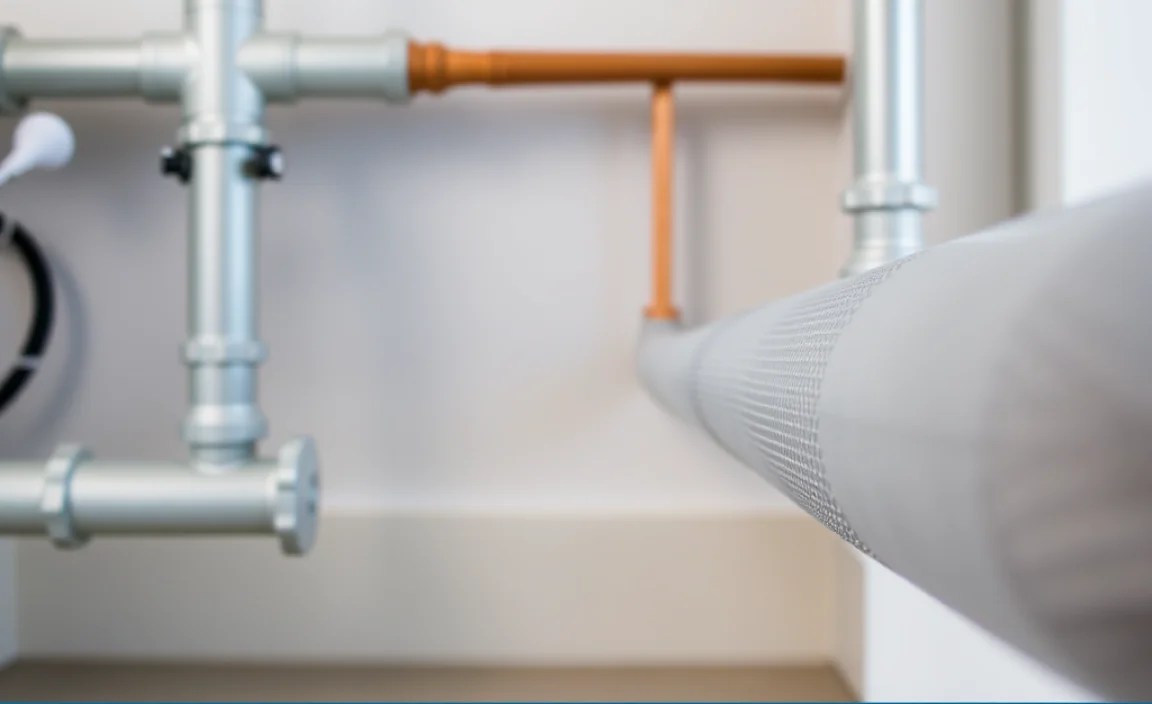
Before you even start searching for local experts, it’s helpful to have a basic understanding of what you need. This will make your conversations with potential installers much more productive and ensure you get accurate quotes.
Common Pipe Installation Scenarios:
- New Construction: Installing plumbing for a brand-new home or extension. This involves running pipes for water supply and drainage from the ground up.
- Renovations and Remodels: Adding or relocating plumbing fixtures like sinks, showers, toilets, or washing machines. This often involves connecting to existing water and drain lines.
- Repairs and Replacements: Replacing old, corroded, or damaged pipes (common with older galvanized steel or lead pipes) with modern, durable materials.
- Outdoor Plumbing: Installing pipes for irrigation systems, outdoor kitchens, or pool plumbing.
Types of Pipes Used:
The material of the pipes used can significantly impact the project’s cost, longevity, and installation complexity. Here’s a quick rundown of common types:
Supply Lines (Hot & Cold Water):
- Copper: Durable, corrosion-resistant, and can handle high temperatures. A long-standing reliable choice.
- PEX (Cross-linked Polyethylene): Flexible, easier to install, and often more cost-effective than copper. It’s resistant to bursting in freezing temperatures.
- CPVC (Chlorinated Polyvinyl Chloride): Similar to PEX but more rigid. It can handle hot water and is a good option for certain applications, though less common for new residential supply lines than PEX or copper in many areas.
Drainage, Waste, and Vent (DWV) Lines:
- PVC (Polyvinyl Chloride): Commonly used for drain lines due to its smooth interior and resistance to corrosion. Usually white for supply and grey for DWV.
- ABS (Acrylonitrile Butadiene Styrene): Another popular choice for DWV systems, often black. It’s slightly more impact-resistant than PVC in cold temperatures.
For detailed information on plumbing codes and approved materials in your area, checking with your local Department of Housing and Urban Development (HUD) or your city’s building department is a great first step.
Your Actionable Checklist: Finding “Install Pipes Near Me” Experts

Now that you know what you need, let’s get to finding the right professionals. Here’s your mission-ready checklist:
Step 1: Gather Recommendations & Start Your Search
The best way to find reliable help is through trusted sources.
- Ask Neighbors and Friends: Word-of-mouth recommendations are often the most valuable. Who have they used and been happy with?
- Local Hardware Stores: Staff at reputable local hardware or plumbing supply stores often know good local contractors.
- Online Search Engines: Use specific terms like “licensed plumber [your town/city],” “pipe installation service [your zip code],” or “emergency plumbing [your area]” to see local results.
- Review Websites: Popular platforms like Yelp, Google Reviews, Angie’s List, or HomeAdvisor can provide insights into customer experiences, but always take reviews with a grain of salt.
Step 2: Check Credentials and Licenses
This is non-negotiable for your safety and the quality of the work.
- Licensing: Ensure the plumber or company is licensed to operate in your state and locality. Licensing ensures they meet minimum competency standards. You can often verify licenses through your state’s contractor licensing board website.
- Insurance: Verify they have general liability insurance and worker’s compensation insurance. This protects you from liability if accidents happen on your property. Ask for a certificate of insurance.
- Experience: How long have they been in business? Do they have specific experience with the type of installation you need?
Step 3: Get Multiple Quotes
Don’t settle for the first estimate you receive. Aim for at least three detailed quotes.
- Detailed Scope of Work: Each quote should clearly outline the work to be done, materials to be used, timeline, and the total cost, including labor, permits, and any potential hidden fees.
- Material Specifics: Quotes should mention the type of pipes and fittings being used and their brands, if possible.
- Permit Information: Clarify who is responsible for obtaining any necessary local permits and if the cost is included in the quote. Most significant plumbing work requires permits to ensure compliance with building codes.
Step 4: Ask Key Questions
Prepare a list of questions to ask potential plumbers:
- Are you licensed and insured? Can I see proof?
- How long have you been in business?
- Do you have experience with this specific type of project?
- What is the warranty on your workmanship and the materials used?
- What is your estimated timeline for completion?
- Who will be performing the work, and are they employees or subcontractors?
- What is included in the price (permits, cleanup, etc.)?
- What are my options for pipe materials, and what do you recommend?
Step 5: Review Contracts and Sign
Once you’ve chosen a professional, ensure everything is documented.
- Written Contract: A clear, written contract is essential. It should detail everything discussed: scope of work, materials, costs, payment schedule, timeline, warranty, and dispute resolution.
- Payment Schedule: Understand the payment terms. A reasonable deposit is normal, but avoid contractors who demand full payment upfront.
- Permits: Confirm the contractor will pull all necessary permits.
DIY vs. Professional Pipe Installation: A Quick Look
While this guide focuses on finding professionals, it’s worth understanding when a DIY approach might be considered (and when it’s best left to the experts). For simple tasks like replacing a small section of exposed drainage pipe under a sink, a confident DIYer might tackle it. However, for anything involving the main water supply, extending multiple lines, or working within walls, the risks increase significantly.
| Task Complexity | DIY Potential | When to Call a Pro |
|---|---|---|
| Replacing a fixture’s flexible supply line or P-trap. | High. Simple tools, minimal risk. | If you’re uncomfortable or face unexpected issues. |
| Extending a drain line for a new sink. | Medium. Requires some understanding of slope and connections. | If it involves structural work, complex runs, or connecting to main DWV. |
| Replacing a section of exposed copper water supply line. | Medium. Requires soldering or press-fit tools, knowledge of water shut-off. | If dealing with pressurized lines, unfamiliar materials, or fear of leaks. |
| Installing entire new plumbing system for a house. | Very Low to None. Highly complex, requires permits, codes, and expertise. | Essential. This is a job for licensed professionals only. |
| Repairing a leak inside a concrete slab or inaccessible wall. | Extremely Low. High risk of making it worse, requiring professional diagnostics. | Essential. Requires specialized equipment and expertise. |
The primary advantages of hiring a professional for “install pipes near me” needs are their expertise, proper tools, knowledge of local codes, insurance, and the warranty they often provide. This ensures the job is done right, saving you potential headaches and expensive repairs down the line. For an in-depth look at plumbing basics, including pipe anatomy and functions, the This Old House website offers great visual guides.
The Installation Process: What to Expect
Once you’ve hired a professional, here’s a general idea of what the installation process might look like. This helps you communicate effectively and understand the progress.
- Site Assessment: The plumber will visit your home to assess the project, confirm measurements, and discuss final details.
- Permit Acquisition: If required, the plumber will obtain the necessary permits from your local building department.
- Water/Drain Shut-off: The main water supply to your home will be shut off, or specific sections will be isolated as needed. For drain work, access to the system might involve cutting into walls or floors.
- Removal of Old Pipes (if applicable): If replacing old pipes, they will be carefully removed and disposed of.
- New Pipe Installation: New pipes will be run according to the plan, properly connected, and secured. This phase requires precision to ensure proper flow and prevent leaks.
- Testing: Once installed, the new pipes will be pressure-tested for leaks and checked for proper drainage flow.
- Reinstatement: Any walls, floors, or surfaces that were opened for installation will be patched up. (Note: Some contractors may subcontract this part, so clarify upfront).
- Final Inspection: Often, a building inspector will need to approve the work before it’s considered complete and the permits are closed.
- Cleanup: The work area will be cleaned of debris.
Understanding Your Warranty
A reputable plumber will offer a warranty on their workmanship. This is your assurance that they stand behind their work. Typical warranties might cover:
- Labor Warranty: This covers any issues arising from the installation itself for a specified period (e.g., 1-5 years).
- Material Warranty: This depends on the manufacturer of the pipes and fittings used. Manufacturers often offer limited lifetime warranties on their products.
Always ask for the warranty details in writing and keep a copy of your contract and invoice for future reference.
Making Your “Install Pipes Near Me” Search Efficient
To make your search even smoother, consider these tips:
- Be Specific: When contacting plumbers, clearly state your needs. Instead of “I need pipes,” say “I need to reroute a 2-inch drain line for a new shower installation” or “I need to replace sections of galvanized water supply pipe in my basement.”
- Have Photos Ready: If you can, take pictures of the area where the work needs to be done. This can help plumbers provide a more accurate preliminary estimate.
- Know Your Budget: Have a general idea of what you’re willing to spend, but be flexible. Quality workmanship and durable materials are an investment.
- Ask About Guarantees: Beyond a warranty, inquire if they offer a satisfaction guarantee.
Conclusion
Finding the right professional to “install pipes near me” is a critical step in maintaining a healthy, functional, and safe home. By understanding your needs, thoroughly vetting potential plumbers, and knowing what to expect during the installation process, you can approach this task with confidence.
Remember, a well-installed plumbing system is an investment that pays off in reliability, efficiency, and peace of mind for years to come. Don’t hesitate to ask questions, seek out reputable services, and always ensure the work is backed by a warranty. Your home’s plumbing is in good hands when you make informed choices!
Frequently Asked Questions (FAQ)
What is the average cost to install pipes?
The cost to install pipes varies greatly depending on the scope of the project, the type of pipes used, your location, and the complexity of the work. Simple fixture hookups might range from a few hundred dollars, while a full repipe or new system installation could cost thousands (e.g., $5,000 – $15,000+ for whole-house repiping). Always get multiple detailed quotes for an accurate estimate.
How long does pipe installation take?
A small repair or fixture connection might take a few hours. Replacing a section of pipe could take half a day. A comprehensive project like a bathroom remodel’s plumbing or a whole-house repipe can take several days to over a week, depending on the size of the home and the extent of the work.
Do I need a permit for pipe installation?
In most municipalities, significant plumbing work—such as new installations, re-piping, or alterations to your main water or drain lines—requires a permit. This ensures the work is done to code and is safe. Your licensed plumber should handle the permit application process, and the cost is typically included in their quote.
What is a P-trap and why is it important?
A P-trap is the U-shaped section of pipe under your sink. It’s crucial because it holds a small amount of water, creating a seal that prevents sewer gases from rising up through your drains and into your home, which can cause unpleasant odors and health concerns.
Can I use any type of pipe for drains and water supply?
No. Different types of pipes are designed for specific purposes. For example, PVC or ABS are typically used for drain, waste, and vent (DWV) systems, while copper or PEX are used for potable water supply lines. Using the wrong type of pipe can lead to leaks, contamination, or system failure, and will not pass building inspections. Your plumber will know the correct, code-approved materials for each application.
How can I ensure my new pipes don’t leak?
Hiring a licensed and experienced plumber is the best way to ensure your pipes are installed correctly and won’t leak. They use proper techniques, sealants, and fittings, and perform pressure tests. Always ask about the plumber’s warranty on workmanship. For DIYers, carefully following manufacturer instructions and using appropriate tools for connections (like soldering, crimping, or threading) is essential, along with thorough leak testing before the system is put into full use.
What happens if my plumber does a bad job?
If a plumber does a bad job, you have recourse. First, contact the plumber directly to explain the issue and request they fix it. If they are unresponsive or unwilling to correct the problem, you can file a complaint with your local licensing board or consumer protection agency. If you have a written contract, it may outline dispute resolution processes. If significant damage has occurred due to negligence, you might consider legal action, but this is typically a last resort.
