
Choosing between a wet room and a traditional bathroom setup involves weighing convenience, style, and budget. Wet rooms offer a modern, accessible space with a sleek look, while alternatives provide more contained showering areas. This guide helps you understand the installation differences and make the “genius choice” for your home.
Thinking about updating your bathroom? You might have heard about ‘wet rooms’ and wondered what all the fuss is about. They sound fancy, but are they right for your home? It’s a common question, and honestly, it can be a bit baffling with all the different options out there. Choosing the right kind of bathroom setup is a big deal – it affects your daily routine and your home’s value.
But don’t worry! I’m here to break down the installation process for a wet room compared to its popular alternatives. We’ll look at what makes each one tick and help you decide which path leads to your perfect bathroom. Get ready to feel confident about making the best choice for your space!
What Exactly is a Wet Room?

A wet room is essentially a bathroom designed to be completely waterproof, with the shower area not enclosed by a screen or cubicle. The entire room is designed to get wet, with a sloped floor directing water towards a discreet drain. This creates a seamless, open-plan showering experience. Think of it as an upscale, modern take on showering where the bathroom itself becomes the shower space. It’s a popular choice for those seeking a minimalist, spa-like feel.
Key Differences: Wet Room vs. Traditional Shower/Enclosure

The main distinction lies in containment and waterproofing. A traditional bathroom has a shower or bathtub with a dedicated enclosure (like a glass screen or shower curtain) to keep water within that specific area. A wet room, however, treats the entire room as the showering zone, requiring comprehensive waterproofing for walls, floors, and even the ceiling in some cases. This fundamental difference impacts installation complexity, cost, and the overall aesthetic.
| Feature | Wet Room | Traditional Shower/Enclosure |
|---|---|---|
| Waterproofing | Room-wide, comprehensive | Localized to shower area |
| Shower Area | Open, integrated into the room | Defined cubicle or alcove |
| Drainage | Sloped floor to central or linear drain | Drain within shower tray or cubicle base |
| Installation Complexity | Higher, requires expert waterproofing | Moderate, standard plumbing and enclosure fitting |
| Aesthetics | Minimalist, seamless, spacious | Varied, can be enclosed or open-plan depending on enclosure |
| Accessibility | Excellent (no trays to step over) | Can be challenging with high shower trays |
Understanding Wet Room Installation
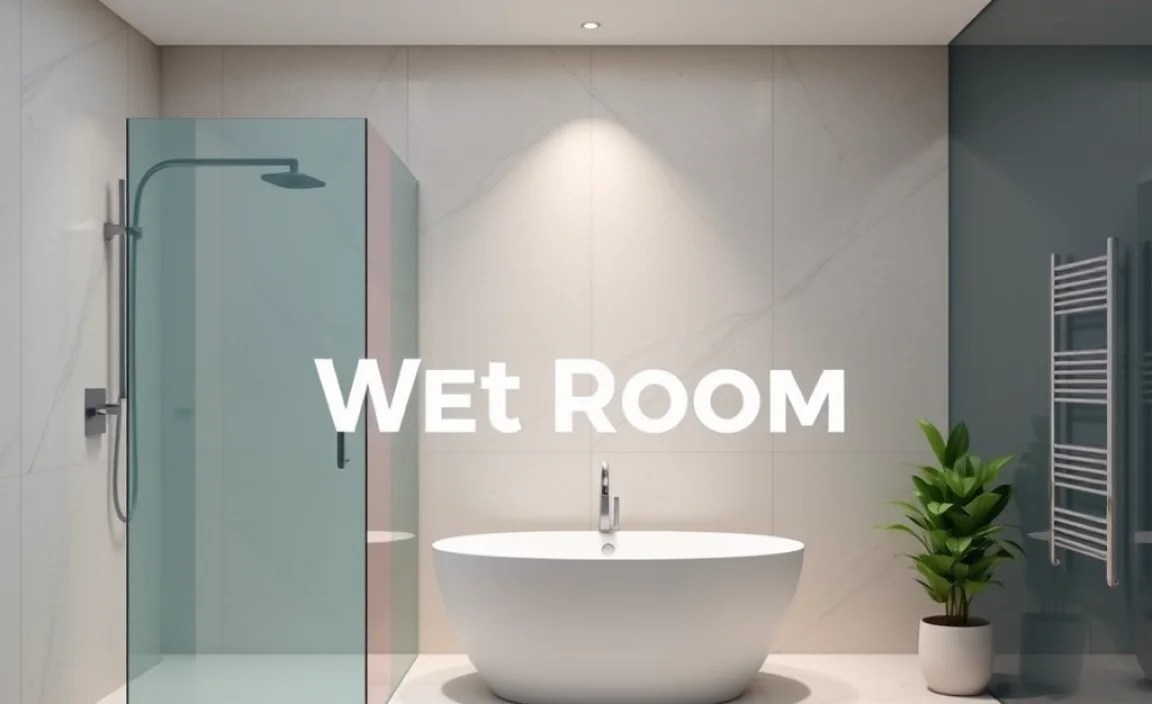
Installing a wet room is a more involved process than fitting a standard shower. It requires meticulous attention to detail to ensure it’s completely watertight and functions correctly for years to come. The success of a wet room hinges on superior waterproofing techniques and materials.
Step 1: Planning and Preparation
Before you start, you need a solid plan. This involves deciding on the layout, the type of drain, and the showering area. For a beginner, consulting with a professional plumber or bathroom designer is highly recommended at this stage. They can help identify potential issues and ensure your design is feasible and meets building regulations. You’ll need to consider ventilation, as a wet room can create more humidity.
Step 2: Creating the Sloped Floor
This is a crucial step for a wet room. The floor in the showering area must be carefully graded (sloped) towards the drain. This typically involves building up the floor level with a sturdy, water-resistant screed material. The slope usually needs to be at least 1:80, meaning for every 80cm of length, there’s a 1cm drop. Local authorities might have specific guidelines, so it’s wise to check with your local building control. A proper slope ensures water drains away efficiently, preventing puddles and potential water damage.
For screeding, you’ll need:
- Screed mix (cement-based)
- Spirit level
- Straight edge or trickle screeder
- Trowel and float
- Water-resistant additive (optional, but recommended)
Step 3: Waterproofing the Structure (Tanking)
This is the heart of wet room installation. The entire area intended to get wet – walls and floor – must be sealed with a specialist tanking system. This involves applying multiple layers of waterproofing membrane. These membranes are flexible and designed to bridge any small cracks that might form in the substrate. You can find liquid-applied membranes (which look like thick paint) or sheet membranes (rolled out and adhered). Remember to waterproof the corners and around any pipe penetrations meticulously; these are common weak spots.
Common waterproofing materials include:
- Liquid-applied tanking membranes (e.g., cementitious or polyurethane-based)
- Waterproof jointing tape
- Primer for the substrate
- Waterproof tile adhesive (for when tiling)
For more in-depth guidance on waterproofing, resources like the BuildingGreen website offer valuable insights into moisture control in construction.
Step 4: Drainage Installation
The drain is the exit point for all the water. In a wet room, this is typically a linear drain (a long, slim channel) or a point drain (a single grate) installed into the sloped floor. The drain must be properly connected to the waste pipe and sealed securely to the tanking membrane and the floor screed to prevent leaks. Some modern drains come with pre-attached sealing collars for easier integration with tanking systems.
Step 5: Tiling and Finishing
Once the waterproofing is cured, you can tile the room. It’s essential to use a waterproof tile adhesive and grout. Epoxy grout is an excellent choice for wet rooms as it’s non-porous and highly resistant to water and staining. Ensure the tiles are laid correctly, with no gaps where water can ingress behind them. The overall finish should be smooth, continuous, and aesthetically pleasing. Consider using large format tiles to minimize grout lines, which can be easier to clean and maintain in a wet environment.
Exploring Wet Room Alternatives

While a full wet room offers a unique aesthetic and functional benefits, it’s not always the ideal solution for every home or DIYer. Thankfully, there are excellent alternatives that provide many of the modern benefits without the extensive waterproofing requirements.
Alternative 1: Shower Enclosure with a Tray Installed on a Level Floor
This is the most common type of shower installation. It involves a shower tray (also called a shower base or cubicle tray) that sits on top of the subfloor. The enclosure (made of glass panels, frames, etc.) is then fitted around the tray. The floor outside the tray remains at the standard level.
Installation Steps (Simplified):
- Position the shower tray on a suitable, level subfloor (often supported by legs or a solid base made of timber or concrete).
- Connect the waste trap and outlet to the plumbing.
- Seal the edges of the tray to the walls and floor using silicone sealant.
- Assemble and install the shower enclosure onto the tray.
- Tile the walls around the enclosure.
Pros: Relatively straightforward installation, contained water, less complex waterproofing, wide variety of styles and sizes.
Cons: Requires stepping over a tray, can be harder to clean edges, may not offer the same minimalist aesthetic as a wet room.
Alternative 2: Walk-in Shower (Curbless Entry but with a Tray)
A walk-in shower offers a more accessible experience than a traditional enclosure, often featuring a low-profile tray or no visible tray at all, but it’s not a full wet room. The key is usually a level entry, meaning you don’t have to step over a high lip. This is achieved by fitting a very slim, modern shower tray that sits flush with the surrounding floor, or sometimes directly integrated into the subfloor with a shallow drain.
Installation Steps (Simplified):
- Prepare the subfloor and install a very low-profile or flush-mounted shower tray.
- Connect the waste.
- Install a glass screen or panel to direct water spray, but the shower area is open on at least one side.
- Tile the surrounding floor and walls.
Pros: Accessible with minimal step-over, modern look, easier to clean than traditional enclosures, less complex than a full wet room.
Cons: Still requires a tray (though low-profile), may need a dedicated screen to prevent excessive splashing, not as open as a true wet room.
Alternative 3: Wet Room Style Shower with a Central Drain (but contained with screens)
This approach combines the drainage concept of a wet room with the containment of a more traditional setup. You install a sloped floor and a well-placed drain, but then use extensive glass screens or partitions to create a defined showering zone that still feels open. The rest of the bathroom floor remains dry.
Installation Steps (Simplified):
- Create a subtly sloped floor in the designated shower area.
- Install a point drain or linear drain in the sloped section.
- Waterproof the sloped floor area and the lower parts of the surrounding walls.
- Install your chosen glass screens or partitions to create a generous showering space, ensuring they form a good seal to prevent most water from escaping.
- Tile the entire floor, including the sloped area.
Pros: Offers a modern look with a sloped floor and drain, good water containment, more manageable waterproofing than a full wet room.
Cons: Less open than a true wet room, requires careful screen placement and sealing.
Pros and Cons: Installation of Wet Room vs. Alternatives
Making the right choice involves understanding the practicalities of installation and the long-term benefits of each option. Here’s a quick comparison:
| Aspect | Wet Room | Traditional Enclosure | Walk-in Shower (Low Tray) | Hybrid Wet Room Style |
|---|---|---|---|---|
| Waterproofing Difficulty | Highest: Entire room must be tanked. Expert application crucial. | Moderate: Primarily around tray and wall junctions. | Moderate: Around tray and wall junctions. | Moderate-High: Sloped floor area and lower walls need tanking. |
| Floor Modification | Essential: Needs significant sloping for drainage. | Minimal: Tray sits on existing floor. | Minimal/Moderate: May need to recess tray or ensure flush fit. | Essential: Needs a subtle slope in the shower zone. |
| Drainage System | Central or linear drain in sloped floor. | Drain within the shower tray. | Drain within the shower tray (often low-profile). | Central or linear drain in sloped floor. |
| Accessibility | Excellent: No steps. | Can be poor: High trays a trip hazard. | Very Good: Low/flush entry. | Excellent: No steps. |
| Aesthetic Appeal | Sleek, minimalist, spa-like, spacious. | Varied: Can be modern or traditional. | Modern, open, streamlined. | Modern, open, streamlined showerspace. |
| Installation Time/Cost | Longest & Most Expensive: Due to extensive waterproofing and floor work. | Moderate: Standard plumbing and enclosure fitting. | Moderate: Similar to traditional, but with specific tray needs. | Moderate-High: Combines some wet room floor work with enclosure. |
| DIY Friendliness | Low: Highly technical, high risk of leaks if done incorrectly. Better left to pros. | Moderate: Standard DIY skills can manage. | Moderate: Similar to traditional, but careful tray fitting is key. | Moderate-Low: Requires careful planning for slope and waterproofing. |
Why Choose a Wet Room? The Advantages
When installed correctly, a wet room offers a distinct set of advantages that can significantly enhance a bathroom:
- Modern Aesthetics: They create a clean, minimalist look that feels expansive and luxurious.
- Enhanced Accessibility: With no trays or curbs, wet rooms are perfect for everyone, including the elderly, those with mobility issues, and families with young children. They are easy to navigate.
- Space Maximisation: In smaller bathrooms, eliminating a bulky shower cubicle can make the entire room feel larger and more open.
- Easy Cleaning: With fewer corners, crevices, and no shower doors to scrub, a wet room can be surprisingly easy to maintain and keep sparkling.
- Waterproofing Innovation: Modern tanking systems, like those from Marmox, provide robust barriers against moisture, ensuring longevity and preventing damage.
When Might Alternatives Be a Better Choice?
Despite the allure of a wet room, certain situations make alternatives more practical:
- Budget Constraints: The specialized materials and labor required for a wet room can make it the most expensive option.
- DIY Limitations: If you’re a beginner DIYer, the intricate waterproofing and sloping required for a wet room carry a high risk of failure and costly repairs due to leaks. Traditional enclosures or walk-in showers are much more forgiving.
- Existing Bathroom Structure: If your bathroom floor cannot easily accommodate the necessary slope or if you’re concerned about the structural integrity of adding weight and demanding precise drainage in specific spots, an alternative is safer.
- Tenant Agreements or Rental Properties: Significant modifications like a full wet room installation might not be permissible or financially sensible in a rented property.
- Urgency: If you need a bathroom upgrade quickly, the extended timeline for a properly installed wet room might not fit your schedule.
Essential Tools for DIY Wet Room or Alternative Installation
Whether you’re tackling a full wet room or a more straightforward alternative, having the right tools is key to a safe and successful project. For a DIYer, investing in good quality tools will pay off not just in the finished product, but also in safety and ease of work.
For Wet Room Installation (Beyond standard plumbing tools):
- Spirit level (long and short)
- Screeding tools (trowels, floats, screed graders)
- Measuring tape
- Bucket trowel or mixing paddle for screed
- Utility knife for cutting membranes
- Applicator tools for liquid membranes (rollers, brushes)
- Caulking gun for sealants
- Tile nippers or cutters
- Notched trowels for tile adhesive
- Grout spreader
For Traditional Enclosure/Walk-in Shower Installation:
- Spirit level
- Tape measure
- Caulking gun
- Silicone sealant remover (essential for mistakes!)
- Drill and screwdriver set (for frame assembly)
- Hacksaw or pipe cutter (for cutting enclosure profiles if needed)
- Notched trowels for tile adhesive
- Grout spreader
Safety First: Important Considerations
No matter which path you choose, safety should be your top priority. Always wear appropriate personal protective equipment (PPE) such as safety glasses, gloves, and a dust mask when cutting materials or handling chemicals. Ensure all electrical components in the bathroom are installed by a qualified electrician and are compliant with local regulations. For wet rooms in particular, ensure adequate ventilation with an extractor fan to prevent mold and mildew growth. For more on bathroom safety standards, check out resources from organizations like the Electrical Safety First in the UK.
FAQ: Your Wet Room Questions Answered
Q1: Can I install a wet room on an upper floor?
Absolutely! Installing a wet room on an upper floor is very common. The key is ensuring the floor structure can support the weight of the build-up (screed, tiles) and that the waterproofing is meticulously done to prevent any moisture from reaching the ceiling below. This often involves a reinforcing mesh within the tanking layers.
