
Understanding cistern jargon means knowing the pros and cons of these water storage systems. This guide breaks down common terms and helps you decide if a cistern is right for your home, focusing on benefits like water conservation and potential drawbacks such as maintenance.
Water is precious, and sometimes our regular supply can be unpredictable. That’s where cisterns come in! If you’re a homeowner or DIYer, you might have heard the term “cistern” and wondered what exactly it means. It can sound a bit technical, but don’t worry. We’re here to demystify it all. This guide will explain the jargon, highlight the pros and cons, and help you see if a cistern is a smart choice for your home in a super simple way. Get ready to feel confident about understanding cisterns!
What Exactly is a Cistern? Decoding the Basics
At its heart, a cistern is simply a tank designed to store water. Think of it as a big reservoir for your home’s water. These aren’t typically for holding drinking water directly from the mains, though filtered systems can make that possible. Instead, cisterns are often used for collecting rainwater, or sometimes for storing water from other sources for later use. They can be installed above ground, underground, or even inside your home. Understanding this basic function is the first step to grasping all the related terms.
Why Bother with a Cistern? The Big Picture Advantages
So, why would someone want to store extra water? The reasons are plentiful and can offer significant benefits for homeowners. From saving money to being more environmentally friendly, cisterns can be a wise investment for many. Let’s dive into the main advantages.
- Water Conservation: This is a huge plus. By collecting rainwater, you reduce your reliance on treated municipal water, which saves resources and can lower your water bills. This is especially true in areas with high water costs or during droughts.
- Reduced Stormwater Runoff: When rain hits hard surfaces like roofs and driveways, it can overwhelm drainage systems and cause erosion. A cistern captures this runoff, lessening the burden on local infrastructure and helping to protect the environment. You can learn more about stormwater management best practices on the Environmental Protection Agency (EPA) website.
- Reliable Water Source: In regions prone to water shortages or disruptions in the main supply, a cistern provides a backup. This can be crucial for everything from flushing toilets to watering gardens.
- Non-Potable Water Use: Many cisterns are used for “greywater” or non-potable water needs. This includes tasks like flushing toilets, washing cars, or irrigating your landscape. Using stored water for these purposes frees up your treated, potable water for drinking and cooking.
- Cost Savings: Over time, using collected rainwater can lead to noticeable reductions in your water bills. The initial investment in a cistern can pay for itself through these savings.
- Independence: Having your own water reserve can offer a sense of self-sufficiency, especially if you live in an area where water access can be challenging.
Navigating the Cistern Lingo: Key Terms Explained
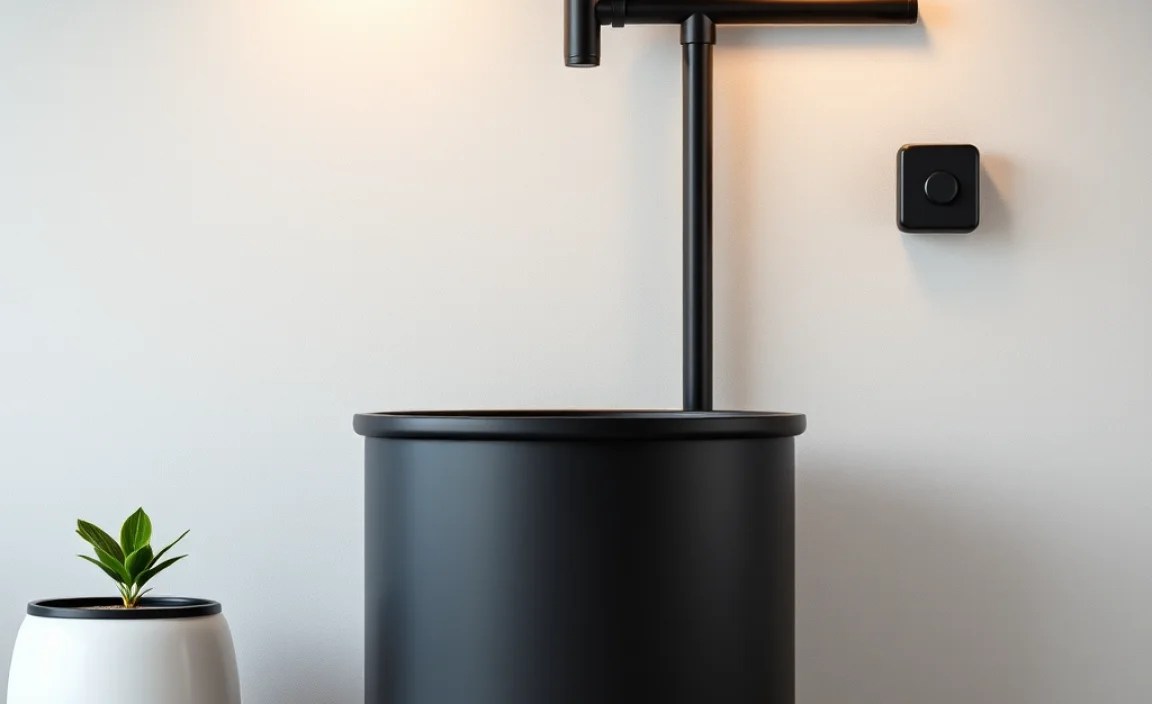
Now, let’s get to the jargon. You’ll hear specific terms when talking about cisterns, their parts, and how they work. Understanding these will make conversations with professionals and your own research much easier. We’ll break them down without the technical fluff.
Common Cistern Components and Their Jobs
- Inlet: This is where the water enters the cistern. For rainwater harvesting, it’s usually connected to your roof’s gutter system.
- Outlet: This is where the water leaves the cistern to be used in your home. It’s connected to your plumbing system.
- Overflow Pipe: When the cistern is full, water needs a place to go. The overflow pipe directs excess water safely away, preventing the tank from bursting or causing damage.
- Sump: This is the lowest part of the cistern. It’s designed to collect sediment and debris that may enter the tank, keeping the main water storage cleaner.
- Scum Board (or Baffle): Installed just below the water’s surface, this floating barrier prevents floating debris (like leaves or insects) from entering the outlet and being pumped into your home’s plumbing.
- Strainer/Leaf Catcher: Often placed at the inlet, this screens out larger debris like leaves and twigs before they can enter the cistern.
- First-Flush Diverter: This device discards the initial, dirtiest water that washes off your roof during a rain shower. It directs this “first flush” away from the cistern, ensuring cleaner water is stored.
- Vent: Cisterns need air to function properly. A vent allows air to enter and exit the tank as the water level changes, preventing pressure buildup or vacuum.
- Access Hatch: This is a lid or opening that allows you to get inside the cistern for cleaning and maintenance.
- Pump: If your cistern is located below your home or you need water pressure, a pump is used to move the water through your plumbing system.
- Filtration System: For using cistern water for more than just non-potable uses, filters are essential to remove impurities and make the water safe for drinking or other uses. Types include sediment filters and UV sterilizers, similar to those recommended by the Centers for Disease Control and Prevention (CDC) for rainwater systems.
Understanding Cistern Types and Materials
The material and placement of your cistern also come with specific terms:
- Above-ground cistern: A tank placed on the surface, either inside or outside your home. These are often easier to install and maintain.
- Underground cistern: A tank buried beneath the ground. These save space and keep the water cooler, but installation is more complex.
- Concrete cistern: Durable and long-lasting, often built on-site.
- Plastic (Polyethylene) cistern: Lightweight, resistant to corrosion, and typically pre-fabricated, making installation simpler.
- Fiberglass cistern: Strong and lightweight, offering good corrosion resistance.
- Galvanized Steel cistern: Traditional, strong tanks, but can be prone to rust if the coating is damaged.
The Pros and Cons: Is a Cistern Right for You?

Every home improvement has its upsides and downsides. Cisterns are no different. Weighing these points will help you make an informed decision.
Advantages (The “Pros”)
We touched on some of these, but let’s detail them further.
1. Environmental Friendliness and Sustainability
Using a cistern, especially for rainwater harvesting, is a fantastic way to reduce your carbon footprint. You’re making less demand on municipal water treatment plants, which consume energy. Plus, you’re conserving a vital natural resource. This aligns with principles of sustainable living and can be a significant factor for eco-conscious homeowners.
2. Cost Savings on Water Bills
While there’s an upfront cost for installing a cistern system, the long-term savings on water bills can be substantial. If you live in an area with expensive water rates, or if you have a large garden that requires frequent watering, this benefit becomes even more pronounced. Imagine cutting your water bill significantly each month!
3. Water Security and Resilience
In areas prone to drought, water restrictions, or unexpected disruptions to the public water supply, a cistern acts as an essential backup. Having a reserve of water means you can continue to flush toilets, maintain hygiene, and even water critical parts of your garden during emergencies. This reliability can provide immense peace of mind.
4. Reduced Strain on Municipal Systems
By diverting rainwater or using stored water for non-potable purposes, you help reduce the load on local municipal water and sewer systems. This can lead to less wear and tear on public infrastructure over time. It’s a small community contribution that adds up.
5. Potential for Soft Water
Rainwater is naturally soft, meaning it has a low mineral content. Using cistern-collected rainwater for household tasks like laundry or dishwashing can lead to cleaner clothes and dishes, and less buildup of mineral deposits in your appliances. This can extend the life of washing machines and dishwashers.
Disadvantages (The “Cons”)
It’s important to be aware of the potential challenges as well.
1. Initial Installation Costs
The major hurdle for many is the upfront expense. Depending on the size, material, and whether it’s above or below ground, a cistern system can range from a few hundred to several thousand dollars. This includes the tank itself, pipes, filters, and potentially a pump.
2. Maintenance Requirements
Cisterns are not “set it and forget it” systems. They require regular maintenance to ensure the water quality and the system’s efficiency. This includes cleaning the tank periodically, checking and cleaning filters, and inspecting the overall system. Neglecting maintenance can lead to water contamination or system failure.
3. Water Quality Concerns
While rainwater is soft, it can pick up contaminants from your roof, gutters, and the air. If a cistern is not properly maintained, or if first-flush diversion and filtration are inadequate, the stored water may not be suitable for drinking or even safe for all non-potable uses without further treatment. Always consult local health guidelines and consider appropriate filtration.
4. Space Requirements
Cisterns, especially larger ones, require space. An above-ground tank might be an eyesore or take up valuable yard space. An underground cistern requires significant excavation, which can be disruptive and costly. You need to assess your property for suitable locations.
5. Potential for Freezing
In colder climates, above-ground cisterns can be susceptible to freezing, which can damage the tank and associated piping. If you live in such a region, proper insulation or choosing an underground option might be necessary, adding to installation complexity and cost. A properly insulated underground cistern in a cold climate is a good topic of research from local extension offices, like those associated with Land-Grant Universities.
6. Regulatory Hurdles
Depending on your local municipality or homeowner’s association, there might be regulations or permits required for installing a cistern. It’s essential to check these local codes before you begin any installation. Some areas have restrictions on rainwater harvesting.
Cistern Pros and Cons at a Glance: A Comparison Table

To help you quickly compare the benefits and drawbacks, here’s a handy table:
| Aspect | Pros (Advantages) | Cons (Disadvantages) |
|---|---|---|
| Cost | Long-term savings on water bills. | High initial installation costs. |
| Environment | Conserves treated water, reduces reliance on municipal supply, decreases stormwater runoff. | Manufacturing of tanks has an environmental footprint. |
| Water Supply | Provides a reliable backup source, especially during droughts or shortages. | Water quality requires careful management and filtration for certain uses. |
| Maintenance | Can offer soft water naturally. | Requires regular cleaning of tank, filters, and components. |
| Space | Can be integrated discreetly (underground). | Requires significant space (above or below ground). Potential aesthetic concerns for above-ground tanks. |
| Climate Impact | Water can be kept cooler in underground tanks. | Risk of freezing for above-ground tanks in cold climates. |
| Regulations | Increasingly encouraged in some regions for water conservation. | May require permits and adherence to local building codes. |
Step-by-Step: Installing and Maintaining Your Cistern (Beginner’s Overview)

While a full installation is a job often best left to professionals, understanding the general steps can demystify the process and help you prepare. Maintenance is where most DIYers can really get involved.
Basic Installation Stages (Professional Scope)
- Site Assessment and Planning: This involves checking local zoning laws, identifying the best location for the cistern (considering access, drainage, and proximity to usage points), and deciding on the tank type and size.
- Excavation (for underground cisterns): Digging a suitable hole for the tank, ensuring proper depth and width, and preparing a stable base (usually gravel or concrete).
- Tank Placement: Carefully lowering the cistern into the prepared location.
- Connecting Inlets and Outlets: Linking the gutter downspouts (for rainwater) to the cistern’s inlet and connecting the outlet pipe to your home’s plumbing or irrigation system. This often involves plumbing fittings and possibly a backflow preventer.
- Installing Overflow and Vent Systems: Ensuring these crucial safety and functional components are correctly fitted.
- Backfilling (for underground cisterns): Carefully refilling the excavated area around the tank, often with a mixture of soil and gravel, ensuring the tank is supported.
- Pump and Filter Installation: If required, installing necessary pumps for pressure and filtration systems for water treatment.
- Testing: Thoroughly testing the system for leaks and proper function.
DIY Maintenance Essentials
Keeping your cistern in good working order is crucial for safe and efficient water storage. Here’s what you can do:
1. Regular Gutter and Leaf Catcher Cleaning
- Clear debris from your gutters and the leaf catcher at the cistern’s inlet at least twice a year, or more often if you have many trees. This prevents clogs and ensures smoother water flow.
2. Inspect the First-Flush Diverter
- Check that the first-flush diverter is functioning correctly. You may need to manually empty it if it doesn’t have an automatic purge mechanism. Ensure it’s diverting the initial dirty water away from the tank.
3. Check Inlet and Outlet Pipes
- Look for any blockages or damage in the inlet and outlet pipes. Ensure water is flowing freely.
4. Monitor Overflow Pipe Functionality
- Periodically ensure the overflow pipe is clear and directs water away from your home’s foundation to prevent water damage.
5. Inspect the Tank Interior (During Annual Cleaning)
- Once a year, if possible, safely access the cistern (using proper ventilation and safety gear). Inspect the inside for sediment buildup, rust, or cracks.
6. Clean the Cistern
- Annually or bi-annually, depending on sediment buildup, pump out and clean the cistern. This involves removing accumulated sludge and rinsing the tank. For thorough cleaning guides, resources from organizations dedicated to sustainable building practices can be invaluable.
7. Maintain Water Treatment Systems
- If you have filters or UV sterilizers, follow the manufacturer’s instructions for cleaning or replacement. This is vital for water potability.
Frequently Asked Questions About Cisterns
Q1: Is cistern water safe to drink?
Answer: Cistern water, especially rainwater, is not automatically safe to drink. It can contain bacteria, viruses, and other contaminants from the air, roof, and storage tank. It requires proper filtration and disinfection (like UV treatment) to be considered potable. Always consult local health guidelines.
Q2: How often does a cistern need to be cleaned?
Answer: Generally, cisterns should be inspected and cleaned at least once a year. However, this can vary based on the amount of debris entering the tank and the system’s design. Heavy debris loads might require more frequent cleaning.
Q3: Can I install a cistern myself?
Answer: While some simple above-ground installations might be manageable for experienced DIYers, installing a cistern, especially an underground one, is often complex and may require professional plumbing and excavation services. Safety and code compliance are paramount.
Q4: What is the difference between a cistern and a water tank?
Answer: The terms are often used interchangeably. However, “cistern” traditionally refers to a tank for storing water, often rainwater, for non-potable uses or as a backup. Many modern tanks are designed for broader water storage, including potable sources. The context usually clarifies the specific use.
Q5: Will a cistern increase my property value?
Answer: A well-maintained and properly integrated cistern system, especially one focused on water conservation and providing a reliable backup supply, can be an attractive feature for potential buyers and may add to your property’s value, particularly in areas where water security is a concern.
Q6: What happens if my cistern overflows?
Answer: A properly installed cistern will have an overflow pipe. This directs excess water away from the cistern and your property, usually to a designated drainage area or storm sewer connection, preventing flooding and damage.
