
Planning your bathtub layout involves understanding the pros and cons of different configurations. Choosing the right layout ensures functionality, style, and maximizes your bathroom space. This guide breaks down the essential advantages and disadvantages of common bathtub layouts to help you make the best choice for your home.
Thinking about a new bathtub or remodeling your bathroom? Figuring out where to put your tub can feel like a puzzle, but it doesn’t have to be tricky. The right layout makes your bathroom feel bigger, work better, and look amazing.
If you’ve ever felt overwhelmed by design choices or renovation plans, you’re in the right place. We’ll walk through the most popular bathtub layouts, explaining the good and bad points of each in simple terms. You’ll learn what works best for different spaces and needs, so you can confidently plan your perfect bathroom.
Ready to explore your options? Let’s dive into the world of bathtub layouts and discover the essential pros and cons that will guide your decision.
An Overview of Bathtub Layouts: Setting the Stage

The “layout of a bathtub” refers to its placement and the surrounding design within your bathroom. It’s not just about the tub itself, but how it fits and interacts with other fixtures like the toilet and sink, as well as the overall flow and feel of the room.
A well-thought-out layout can transform a cramped bathroom into a spa-like retreat, or a large bathroom into a more functional and cozy space. Conversely, a poor layout can lead to wasted space, awkward movement, and a less enjoyable experience. For beginners, understanding these basic concepts is the first step to making informed decisions without needing to be a design guru.
Why Bathtub Layout Matters
Choosing the right bathtub layout is crucial for several reasons:
- Space Optimization: A smart layout makes the most of your bathroom’s square footage, ensuring you have enough room to move around comfortably.
- Functionality: It impacts how easily you can access and use the tub, as well as other bathroom features.
- Aesthetics: The placement of your tub heavily influences the overall look and feel of your bathroom. A well-placed tub can become a focal point.
- Plumbing Considerations: Existing plumbing lines and the cost of rerouting them are significant factors that the layout directly affects.
- Accessibility and Safety: For some, the layout needs to accommodate easier access into and out of the tub, especially for children or older adults.
When considering the “layout of bathtub pros and cons,” think about these advantages of getting it right. We’ll explore specific layouts and their individual pros and cons next.
Common Bathtub Layouts: Essential Pros & Cons

Different bathtub styles and placements suit different bathroom sizes and needs. Understanding the advantages and disadvantages of each will help you select the best fit for your home.
1. Alcove Bathtubs
An alcove bathtub is the most common type you’ll find in many homes. It’s designed to fit into a three-walled recess (an alcove), with the front of the tub exposed. Often, this is a simple, rectangular tub that also serves as a shower enclosure.
Pros of Alcove Bathtubs:
- Space-Saving Design: Ideal for smaller bathrooms as they utilize existing wall structures.
- Cost-Effective: Generally less expensive to purchase and install compared to other types.
- Easy Installation: Their design simplifies the installation process, making them a DIY-friendly option in many cases.
- Versatile: Can be easily fitted with shower surrounds or shower curtains, making them a dual-purpose fixture.
- Plumbing Simplicity: Often requires less complex plumbing work, as the walls can house necessary pipes.
Cons of Alcove Bathtubs:
- Limited Style Options: Can appear more utilitarian and less luxurious than freestanding tubs.
- Dependence on Existing Structure: Requires a suitable three-walled alcove, limiting placement options if one doesn’t exist.
- Can Feel Enclosed: Depending on the surrounding walls and finishes, it might feel a bit confined.
- Water Splash: Without a proper shower door or curtain, water can easily splash out into the bathroom.
2. Drop-In Bathtubs
A drop-in bathtub, also known as an undermount or built-in tub, is installed into a deck or surround that you build. The tub itself is ‘dropped in’ to a framed opening. The deck can be made of tile, wood, or stone, offering a more customized look.
Pros of Drop-In Bathtubs:
- Customizable Look: The surrounding deck allows for significant design flexibility and can match your bathroom’s decor.
- Integrated Storage/Seating: The deck can incorporate built-in shelving, seating, or space for toiletries.
- Easier Access for Some: The rim height can often be customized, potentially making entry and exit easier than some other types.
- Plumbing Concealment: All plumbing is hidden beneath the deck, contributing to a cleaner aesthetic.
- Good for Various Sizes: Can be adapted to fit different bathroom dimensions, though they generally require more space than an alcove tub.
Cons of Drop-In Bathtubs:
- More Complex Installation: Requires building a supporting deck and ensuring a watertight seal, making it more labor-intensive.
- Higher Cost: The cost of the tub plus the materials and labor for the deck increases the overall expense.
- Cleaning Challenges: The edges where the tub meets the deck can be difficult to clean and may accumulate grime.
- Less Dramatic Feature: Doesn’t usually make as bold a design statement as a freestanding tub.
3. Freestanding Bathtubs
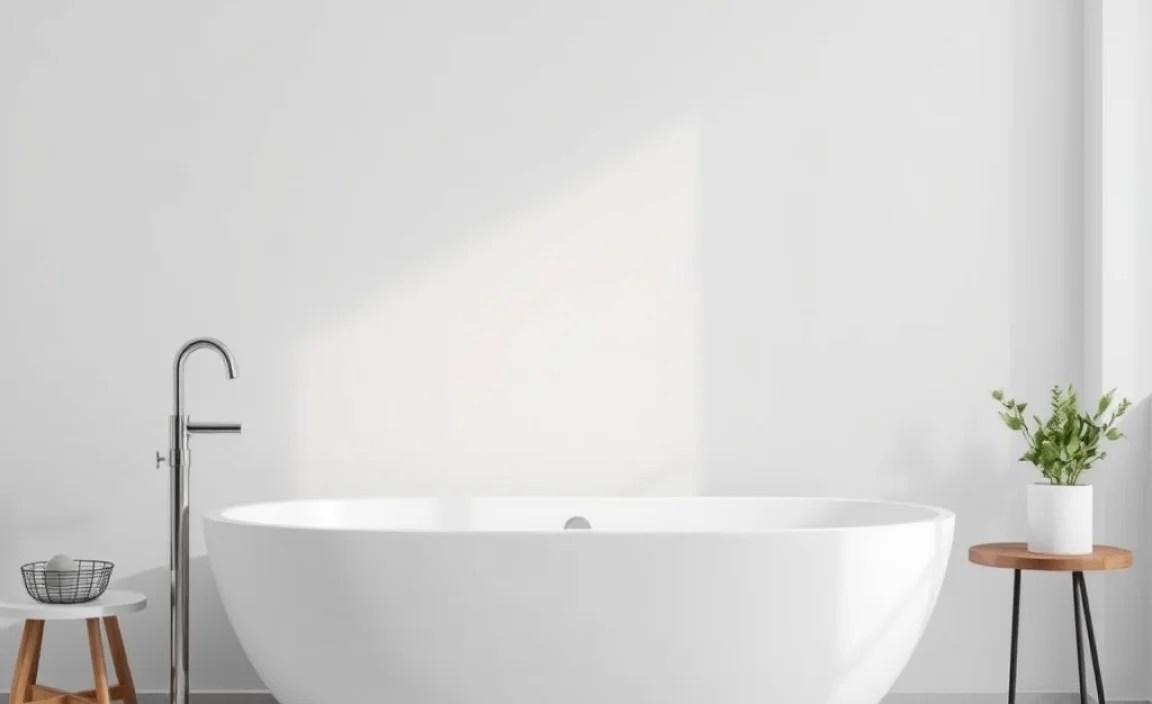
Freestanding bathtubs are the showstoppers of the bathroom. They stand alone, not attached to any walls, allowing them to be placed virtually anywhere in the room. They come in many styles, from classic clawfoot tubs to modern sleek designs.
Pros of Freestanding Bathtubs:
- Design Statement: They are a dramatic focal point, instantly elevating the bathroom’s aesthetic.
- Placement Flexibility: Can be positioned to take advantage of a view, placed in the center of a room, or fit into corners.
- Easy Cleaning Around the Tub: You can clean all sides of the tub easily, which isn’t possible with built-in styles.
- Variety of Styles: Offers the widest range of aesthetic options to match any decor.
- Can Enhance Light and Space: Placing a tub away from walls can make a bathroom feel more open and airy.
Cons of Freestanding Bathtubs:
- Higher Cost: Typically the most expensive option for both the tub and installation.
- Requires More Space: Best suited for larger bathrooms to avoid feeling cramped.
- Complex Installation: Often requires specialized plumbing, including floor-mounted faucets and drainage, which can be costly and difficult to install.
- Heating Efficiency: Since they have more exposed surfaces, they can lose heat faster than tubs enclosed by walls.
- Potential for Splashing: If not placed carefully or if the tub is very deep, water can splash onto the floor.
4. Corner Bathtubs
Corner bathtubs are designed to fit snugly into a corner of the bathroom. They often have a triangular or rounded shape to maximize the use of corner space and can be built-in or come as a self-contained unit.
Pros of Corner Bathtubs:
- Space Efficiency: Excellent for utilizing otherwise awkward corner spaces, especially in medium to large bathrooms.
- Can Offer More Space: Some corner tubs are larger and deeper, providing a more luxurious bathing experience.
- Integrated Seating/Shelving: The wider deck common in corner tubs can provide seating or space for toiletries.
- Unique Design Element: Can add a distinctive architectural feature to a bathroom.
Cons of Corner Bathtubs:
- Requires Specific Space: Only suitable if you have a corner that can accommodate its footprint.
- Can Be Bulky: Some designs can feel imposing in smaller bathrooms.
- Installation Complexity: Similar to drop-in tubs, they can require custom framing and tiling.
- Faucet Placement: Faucet installation might require wall mounting or a deck-mounted system, depending on the tub style.
5. Soaking Tubs vs. Whirlpool/Jetted Tubs
While not strictly a “layout” in terms of placement, the type of bathtub significantly impacts its function and how it integrates into a layout. Soaking tubs are designed for deep, relaxing baths, while whirlpool or jetted tubs offer hydrotherapy.
Pros of Soaking Tubs:
- Deep Immersion: Designed for deeper water fill, offering superior relaxation.
- Simpler Design & Installation: Usually less complex than jetted tubs, making them more accessible for various layouts and budgets.
- Quieter Experience: No pumps or jets mean a more peaceful bathing experience.
- Lower Maintenance: Fewer mechanical parts mean less to go wrong and easier cleaning.
Pros of Whirlpool/Jetted Tubs:
- Hydrotherapy Benefits: Jets provide massage and can relieve muscle tension.
- Luxurious Experience: Offers a spa-like feel at home.
- Variety of Jet Systems: Can choose from air jets, water jets, or combinations for customized massage.
Cons of Soaking Tubs:
- No Therapeutic Jets: Lacks the massage features of jetted tubs.
- Can Be Expensive: High-end soaking tubs can still be a significant investment.
Cons of Whirlpool/Jetted Tubs:
- Higher Cost: Significantly more expensive than standard soaking tubs.
- Complex Installation & Plumbing: Requires dedicated electrical circuits and more intricate plumbing, increasing installation costs and complexity.
- More Maintenance: Jets and pumps require regular cleaning and occasional repair.
- Water Level Requirements: Jets need a certain water level to function correctly, which can impact the bathing experience.
- Noise: The pumps and jets can be noisy.
Key Factors Influencing Bathtub Layout Decisions
Beyond the pros and cons of specific layouts, several practical elements should guide your choice. These factors ensure your chosen bathtub layout is not only beautiful but also functional and fits your lifestyle.
1. Bathroom Size and Shape
This is perhaps the most critical factor. A compact bathroom might only have room for an alcove tub, while a spacious master suite could accommodate a luxurious freestanding tub or a large corner unit.
- Small Bathrooms: Prioritize alcove tubs or smaller drop-in tubs. Maximize vertical space with shower/tub combos.
- Medium Bathrooms: Offer more flexibility. Drop-in, alcove, or even some corner or smaller freestanding tubs might fit.
- Large Bathrooms: Can usually accommodate any style, including large freestanding or corner tubs. The layout can become a central design feature.
Always measure your space carefully. Consider not just the tub’s dimensions but also the required clearance around it for comfortable use and access. According to the National Association of Home Builders (NAHB), average bathroom sizes vary, but proper planning ensures even small spaces feel inviting.
2. Your Lifestyle and Needs
How do you plan to use your bathtub? Who will be using it?
- Family Use: If it’s for children, consider the ease of getting in and out, and space for bathing them. A shower/tub combo in an alcove is often practical.
- Relaxation and Spa Experience: If you envision long soaks, a deep soaking tub or a jetted tub might be ideal. Freestanding or large corner tubs can enhance this.
- Health and Therapy: For muscle relief or therapeutic benefits, a jetted tub is the clear choice.
- Quick Showers: If the tub is primarily for quick showers, a standard alcove tub with a good showerhead might suffice.
Think about accessibility for all members of your household, especially if there are elderly individuals or those with mobility issues. For instance, lower rims or tubs with built-in seating can be beneficial.
3. Plumbing and Electrical Requirements
This is where DIY beginners might need professional help. Different tub layouts have different plumbing needs:
- Alcove Tubs: Often utilize existing wall plumbing, making them simpler to install.
- Drop-In Tubs: Require plumbing within the built deck structure.
- Freestanding Tubs: Can necessitate new plumbing lines, floor drains, and potentially deck-mounted or freestanding faucets, which can be more complex and costly.
- Jetted Tubs: Require a dedicated electrical circuit to power the pump and jets. This needs to be installed by a qualified electrician to meet safety codes. For more information on electrical safety in bathrooms, refer to resources from the National Fire Protection Association (NFPA).
Investigating your existing plumbing and electrical setup is crucial. Rerouting pipes or adding circuits can significantly impact your budget and timeline.
4. Budget
Bathtub costs vary dramatically. Consider both the tub itself and the installation:
- Tub Cost:
- Alcove Tubs: $300 – $1,000+
- Drop-In Tubs: $500 – $2,000+
- Freestanding Tubs: $800 – $5,000+
- Corner Tubs: $500 – $3,000+
- Jetted Tubs: Add $1,000 – $5,000+ to base tub cost.
- Installation Cost: This can range from a few hundred dollars for a simple alcove tub replacement to several thousand for a complex freestanding or jetted tub installation, especially if plumbing or electrical work is needed.
- Ancillary Costs: Factor in faucets, drains, shower doors/curtains, tiling for decks or surrounds, and labor.
Being realistic about your budget from the outset will help narrow down your options and prevent unexpected expenses. A solid plan based on the “layout of bathtub pros and cons” will help you allocate funds wisely.
5. Maintenance and Cleaning
How much effort are you willing to put into cleaning and maintaining your tub?
- Alcove tubs with shower surrounds are generally easy to keep clean.
- Drop-in tubs can have tricky edges.
- Freestanding tubs are easy to clean around, but the exposed plumbing might require occasional dusting.
- Jetted tubs require regular cleaning of the jets and pipes to prevent mold and mildew buildup, often involving special cleaning solutions.
Consider the materials as well. Acrylic is lightweight and easy to clean, while cast iron is durable but very heavy. Enamel-coated surfaces are prone to chipping if not treated carefully.
Visualizing Your Bathtub Layout: Practical Tips
Once you have a good understanding of the different bathtub layouts and the factors influencing your decision, it’s time to visualize how it will all come together in your bathroom. This is where your dream bathroom starts to take shape.
Use Bathroom Planning Tools
Many online tools and apps can help you create a 2D or 3D floor plan of your bathroom. You can input your room dimensions and then drag and drop various fixtures, including different bathtub styles, to see how they fit. This is an excellent way to experiment with layouts without physically moving anything.
