
Choosing between a wet room and traditional bathroom layout depends on your space, budget, and aesthetic. Wet rooms offer a modern, open feel with a walk-in shower, ideal for small spaces or accessibility. Alternatives like standard showers or bathtubs provide more defined boundaries and varied styles, often simpler to install and maintain. Understanding the “layout of wet room vs alternative” helps you design a functional and beautiful bathroom that suits your needs.
Is your bathroom feeling a bit cramped or outdated? Perhaps you’re dreaming of a more modern, spa-like feel. Many homeowners face the challenge of making their bathroom both beautiful and highly functional. One popular design choice is the “wet room,” a fully tiled space where the shower isn’t enclosed. But is it the right fit for you? What are the other bathroom layout options, and how do they stack up? This article breaks down the layout of wet room vs alternative designs. We’ll explore the pros and cons, helping you make a smart decision for your home. Get ready to transform your bathroom with genius design ideas!
Understanding the Wet Room Layout
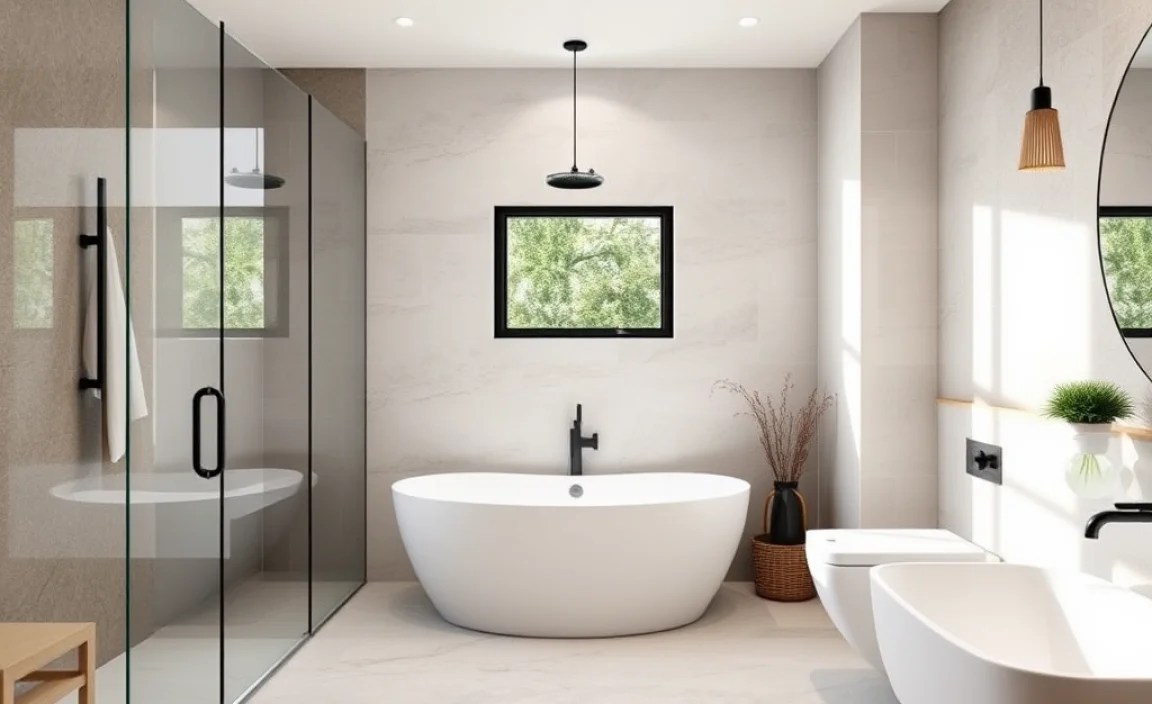
A wet room is essentially a bathroom or shower area that is completely waterproofed and designed to get wet. Unlike a traditional bathroom with a separate shower enclosure or bathtub, the entire room functions as a shower space. Water drains away through a discreet floor drain. Think of it as one big, beautiful shower!
What Makes a Wet Room Unique?
- No Curtains or Doors: The shower area is not separated by glass doors, curtains, or a raised tray.
- Waterproof Everything: The walls, floor, and often even the ceiling are meticulously waterproofed to prevent leaks.
- Floor Drain: A central or strategically placed floor drain handles water runoff.
- Open Concept: This creates a spacious, minimalist, and accessible design.
Key Components of a Wet Room Layout
Designing a successful wet room involves careful planning of several key elements to ensure it’s both practical and stylish:
- Waterproofing System: This is the most critical part. A specialized tanking membrane is applied to all surfaces that will come into contact with water. Reputable brands like Schluter-KERDI-DS offer robust solutions for this.
- Floor Gradient: The floor must be gently sloped towards the drain to ensure water flows away effectively and doesn’t pool. This often means creating a slightly raised former or screed.
- Drainage System: Modern linear drains are popular, often installed along a wall or in the center of the room. They are efficient and can be very discreet.
- Shower Head Placement: You’ll need to decide on the type of shower – a simple wall-mounted head, a rainfall shower, or even body jets. Placement is key to avoid spraying the entire room unnecessarily.
- Ventilation: Excellent ventilation is crucial to manage moisture and prevent mold growth. An extractor fan, possibly with a humidity sensor, is a must.
- Materials: Tiles are the most common covering, but materials like natural stone, microcement, or waterproof paints can also be used.
Wet Room Pros and Cons

Like any design choice, wet rooms have their upsides and downsides. Understanding these will help you decide if this layout is a good fit for your home.
Advantages of a Wet Room
- Space-Saving: Without shower doors or trays, wet rooms can make small bathrooms feel much larger and more open.
- Accessibility: They are ideal for people with mobility issues or the elderly, as there are no steps or curbs to navigate.
- Modern Aesthetic: Wet rooms offer a sleek, minimalist, and contemporary look that’s very on-trend.
- Easy to Clean: Fewer nooks and crannies means less scrubbing and easier maintenance.
- Customizable: You can tailor the design precisely to your liking, from the choice of tiles to the drainage style.
Disadvantages of a Wet Room
- Installation Complexity: Proper waterproofing is essential and requires skilled installation to prevent costly leaks. This can make installation more expensive.
- Potential for Mess: Water can splash further than in a traditional shower, potentially making other bathroom fixtures damp if not carefully designed.
- Requires Excellent Ventilation: High humidity can be an issue without a powerful extractor fan, leading to mold and mildew.
- Not Ideal for All Homes: Older homes may require significant structural work to accommodate the necessary drainage and waterproofing.
Common Wet Room Alternatives
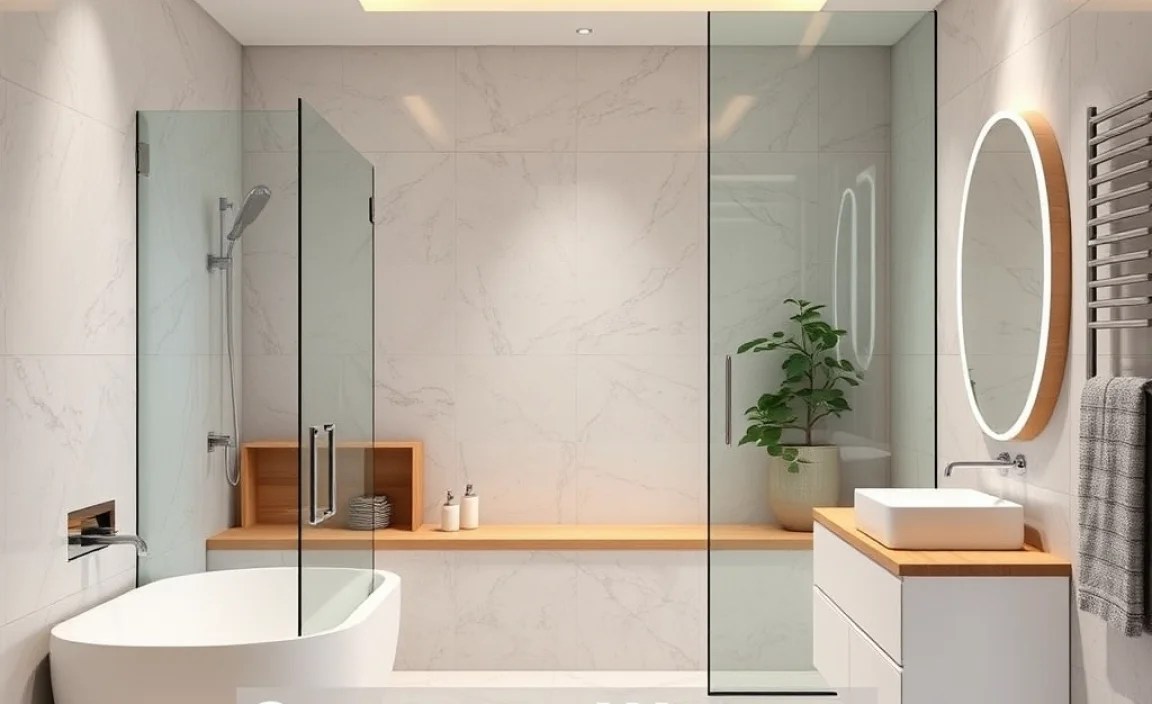
If a full wet room isn’t the right choice, there are several excellent alternatives that offer different styles and levels of functionality.
1. Standard Shower Enclosure with Tray
This is the most common bathroom layout. A shower tray (or base) is installed on the floor, and glass doors or a screen contain the water within a defined shower cubicle.
Pros:
- Simple Installation: Generally easier and less costly to install than a wet room.
- Water Containment: Excellent at keeping water within the shower area.
- Variety of Styles: Huge range of tray sizes, shapes, door types, and shower styles available.
- Easy Maintenance: Shower trays are typically easy to clean, and glass doors can be managed with regular cleaning.
Cons:
- Takes Up Space: The enclosure can make a small bathroom feel more confined.
- Cleaning: Shower doors and tracks can be prone to soap scum and limescale buildup.
- Accessibility Issues: The raised tray can be a trip hazard for some.
2. Walk-in Shower (Still Requires Enclosure)
A walk-in shower is similar to a wet room in that it has no raised tray and is at floor level. However, it typically uses a glass screen or panel to prevent water splashing, rather than being completely open.
Pros:
- Accessibility: Easier to step into than a traditional shower tray.
- Modern Look: Offers a sleek, contemporary feel.
- Less Splash: The screen helps contain water better than a truly open wet room.
- Easier Installation than Wet Room: While still requiring good drainage and waterproofing, it’s often less complex than a full wet room.
Cons:
- Still Needs Waterproofing: The area around the shower still needs proper sealing.
- Water Can Still Splash: Depending on the size of the screen and shower strength, water can still escape.
- Glass Screen Maintenance: Requires regular cleaning to prevent water spots.
3. Bathtub with Shower Over
A classic choice, this involves a bathtub with a shower head installed above it, usually with a shower curtain or screen.
Pros:
- Versatility: Offers both bathing for relaxation and showering for quick washes.
- Cost-Effective: Often the most budget-friendly option.
- Easy Installation: Relatively straightforward to install.
- Good Water Containment: Curtains and screens are generally effective.
Cons:
- Space Inefficient: Can be bulky in smaller bathrooms.
- Less Accessible: Stepping into a bathtub can be difficult for some.
- Can Feel Dated: Depending on the style, it might not offer a modern aesthetic.
- Cleaning: Can be awkward to clean the bathtub itself.
Comparing Layouts: Wet Room vs. Alternatives

To help you visualize the differences, let’s compare the key aspects of a wet room layout versus its common alternatives.
| Feature | Wet Room | Standard Shower with Tray & Doors | Walk-in Shower (Screened) | Bathtub with Shower |
|---|---|---|---|---|
| Aesthetic | Sleek, minimalist, modern, open | Classic, functional, can be modern | Contemporary, minimalist, spacious | Traditional, versatile, can be updated |
| Space Efficiency | Excellent (makes small spaces feel larger) | Moderate (enclosure takes up space) | Good (open feel, no bulky tray) | Poor (bulky unit) |
| Accessibility | Excellent (step-free) | Poor (raised tray) | Very Good (low threshold) | Poor (high step) |
| Installation Complexity | High (requires expert waterproofing) | Moderate | Moderate to High (depends on waterproofing needs) | Low |
| Water Containment | Good (relies on gradient & drainage) | Excellent | Good (screen is key) | Good (curtain/screen is key) |
| Cleaning Ease | Very Good (fewer surfaces, less grout) | Moderate (doors and tracks can be tricky) | Good (simple surfaces, but screen needs cleaning) | Moderate (tub can be awkward to clean) |
| Cost (Installation) | Higher (due to specialized waterproofing) | Moderate | Moderate to Higher | Lowest |
| Best For | Modern homes, small bathrooms, accessibility needs, spa-like feel | Most homes, family bathrooms, those prioritizing ease of use and water containment | Modern aesthetic, accessibility, good balance of space and water control | Family homes, budget-conscious, those who enjoy baths |
Designing Your Wet Room or Alternative: Step-by-Step Considerations

Whether you’re leaning towards a wet room or a more traditional setup, careful planning is key to a successful renovation. Here’s a general guide:
Step 1: Assess Your Space and Needs
- Measure everything: Know the exact dimensions of your bathroom.
- Consider your users: Who will be using the bathroom? Do you need accessibility features?
- Identify your priorities: Is it a modern look, maximum space, dual bath/shower function, or budget?
- Check existing plumbing: Where are your existing water supply and waste pipes? Can they be moved easily?
Step 2: Choose Your Layout Type
Based on Step 1, decide if a wet room, walk-in shower, standard shower, or bathtub with shower is the best fit.
Step 3: Plan the Functional Zone
- Wet Room: Determine the shower area boundaries. Where will the drain go? What is the proposed floor gradient? How will you dry off without making other areas wet? Consider strategically placed towel rails or hooks.
- Shower/Tub: Decide on the size and position of the tray or tub. Think about door swing or curtain sweep.
Step 4: Select Materials and Finishes
- Tiles: For wet rooms, large-format tiles with minimal grout lines are ideal. Ensure they are non-slip. For other layouts, choose materials that complement your style and are easy to maintain.
- Waterproofing: This is non-negotiable. For wet rooms, invest in a high-quality tanking system. For other showers, ensure good quality silicone seals and membranes are used. For professional advice on waterproofing, consult resources like the Home Innovation Research Center, which often covers building envelope best practices.
- Fittings: Choose shower heads, taps, and basins that suit your style and the functionality of the space.
Step 5: Plan for Ventilation and Lighting
- Ventilation: A powerful, quiet extractor fan is essential, especially for wet rooms or well-sealed shower areas. Consider a fan with a timer or humidity sensor for optimal performance.
- Lighting: Ensure adequate lighting for safety and ambiance. Use moisture-resistant fixtures rated for bathroom use.
Step 6: Consider Drainage
- Wet Rooms: A fast-flow or linear drain is crucial. The slope of the floor needs to be precise.
- Other Showers: Ensure the shower tray or tub has an efficient waste trap.
Step 7: Professional Installation or DIY?
While some aspects can be DIY-friendly, particularly for standard showers or tubs, complex tasks like waterproofing and creating floor gradients for wet rooms are best left to experienced professionals. Incorrect installation can lead to significant water damage. If you’re in doubt, always consult a qualified tradesperson.
Genius Design Tips for Small Bathrooms
Whether you opt for a wet room or an alternative, small bathrooms can be a challenge. Here are some genius design tricks:
- Light Colors: Use pale colors for walls and tiles to make the space feel bigger and brighter.
- Mirrors: Large mirrors reflect light and create an illusion of more space.
- Wall-Mounted Fixtures: A floating vanity or wall-mounted toilet can make the floor area appear more open.
- Recessed Storage: Create in-wall niches for toiletries instead of bulky cabinets.
- Glass Screens: Even in a standard shower, a frameless glass screen is less visually intrusive than a full enclosure.
- Vertical Lines: Tall, slim cabinets or vertical tile patterns can draw the eye upward, making the ceiling seem higher.
- Minimalism: Keep clutter to a minimum. A well-organized bathroom feels more spacious.
Conclusion
Deciding on the right bathroom layout is a significant step in any renovation or design project. The choice between a wet room and an alternative hinges on balancing your aesthetic desires, practical needs like accessibility and space, and your budget. A wet room offers a stunningly modern, open, and accessible solution, perfect for those seeking a spa-like retreat.
However, its success relies heavily on meticulous waterproofing and installation. Alternatives like walk-in showers, standard shower enclosures, or bathtubs with showers provide different advantages, often with simpler installation and excellent water containment. By carefully considering the “layout of wet room vs alternative” and following smart design.
Frequently Asked Questions (FAQ)
Q1: Are wet rooms more expensive than traditional bathrooms?
Generally, yes. The specialized waterproofing, tiling, and drainage required for a wet room often make it more expensive to install than a standard shower or bathtub setup. However, this can vary greatly depending on materials and labor costs in your area.
Q2: Can I install a wet room in an upstairs bathroom?
Yes, you can install a wet room in an upstairs bathroom, but it requires extremely careful attention to waterproofing and structural integrity. It’s essential to ensure the floor joists can support the extra weight of wet room materials and that all waterproofing is installed perfectly to prevent leaks into the room below. Consulting with a structural engineer and an experienced wet room installer is highly recommended.
Q3: How do you stop water from splashing out of a wet room?
While some splashing is inevitable, proper design minimizes it. This includes ensuring the floor has an adequate gradient towards the drain, using a strategically placed shower head (not directly facing the entrance), and potentially incorporating a minimal glass screen or strategic wall placement. Planning the layout so that the main bathroom fixtures are away from the direct shower spray is also key.
Q4: What kind of flooring is best for a wet room?
Non-slip tiles are the most popular choice for wet room floors. Large-format tiles with fewer grout lines are easier to clean and provide a sleeker look. Natural stone (sealed appropriately), porcelain or ceramic tiles, and even specialized vinyl or rubber flooring designed for wet areas can be used. The key is that they must be waterproof, durable, and have a good slip-resistance rating.
Q5: How long does a wet room take to install?
The installation time can vary, but typically a wet room installation might take anywhere from 5 to 10 working days, depending on the complexity, the need for any structural changes, and the drying times for waterproofing materials. A standard bathroom renovation involving a simple shower or bath swap can often be completed in a shorter timeframe.
Q6: Is a walk-in shower the same as a wet room?
They are very similar and often confused. Both are at floor level with no raised tray. The main difference is that a walk-in shower usually incorporates a fixed glass screen or panel to partially contain water and create a defined shower zone, whereas a true wet room is completely open and relies entirely on the room’s gradient and drainage. A walk-in shower offers a compromise, providing accessibility with slightly better water containment than a fully open wet room.
