
A good soap holder keeps your bar soap dry, lasts longer, and reduces bathroom mess. Learn the key benefits and drawbacks to choose the best one for your home.
It’s a small thing, isn’t it? The humble bar of soap. But when it turns into a slimy, mushy mess, it’s a big frustration. That’s where a soap holder comes in, aiming to keep your soap firm and your sink area tidy. It seems so simple, but choosing the right soap holder can make a surprising difference in your bathroom’s hygiene and appearance.
You might wonder, “Does a soap holder really work, and is it worth it?” The answer is a resounding yes, when you understand what to look for. We’ll break down the essential pros and cons, so you can confidently pick the holder that keeps your bar soap happy and your bathroom sparkling. Let’s dive in and discover how these simple tools can help!
How Does a Soap Holder Actually Work?
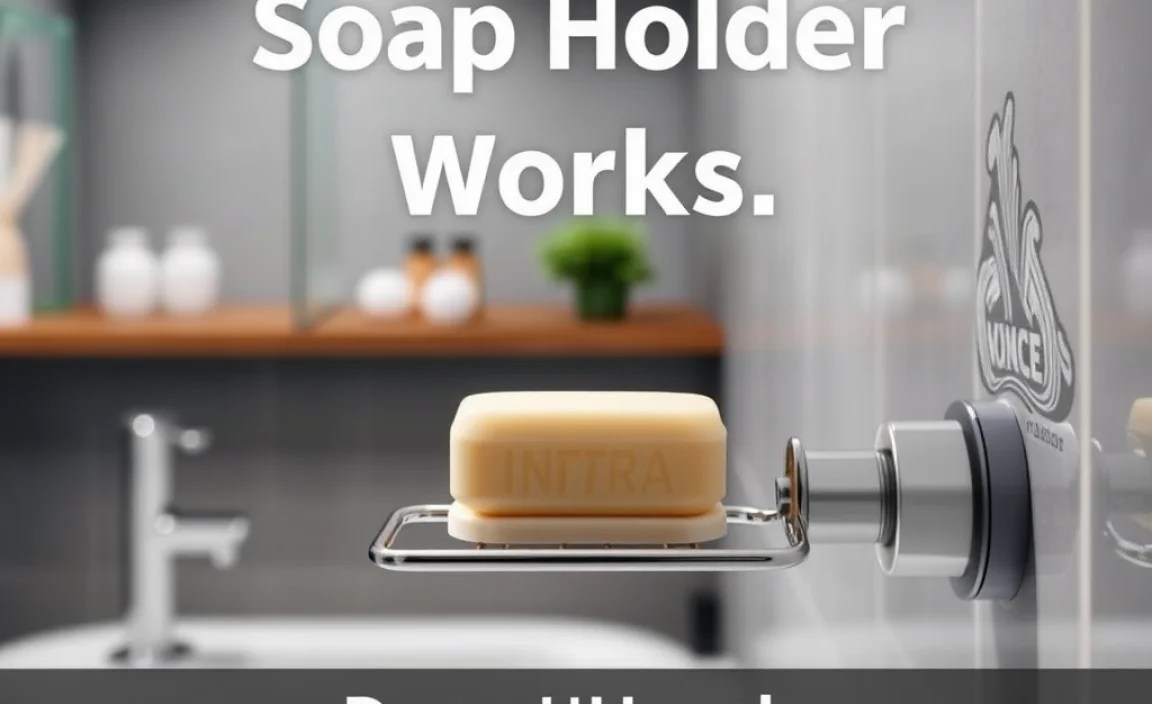
At its core, a soap holder works by creating a supportive structure that lifts your bar soap above a surface. This elevation is key. Instead of sitting in a puddle of water, the soap is exposed to air. This is crucial for preventing the dreaded mushy bar. Think of it like a small drying rack for your soap. By allowing air to circulate freely around all sides, the water drains away, and the soap slowly but surely dries out. This simple process of drainage and aeration is what makes a soap holder so effective.
Different types of soap holders achieve this in slightly different ways:
- Dishes with Drains/Slats: These have holes or raised ridges to allow water to escape and air to flow underneath.
- Magnetic Holders: These use a small metal disc inserted into the soap and a powerful magnet mounted on the wall or sink edge. The magnet holds the soap up, allowing air to reach it from all sides and draining any moisture efficiently. It’s a clever, minimalist approach.
- Suction Cup Holders: These rely on a suction-based attachment, often with a perforated base, to create a small platform for the soap.
- Wall-Mounted Dispensers (for liquid soap): While not for bar soap, these dispense liquid soap directly, eliminating the mushy bar issue altogether.
The principle remains the same: elevate, drain, and aerate. This simple mechanism is the science behind keeping your bar soap firm and usable for as long as possible.
The Essential Pros: Why You Need a Soap Holder

Using a soap holder might seem like a minor detail, but the benefits add up significantly, improving both the lifespan of your soap and the cleanliness of your bathroom. Let’s explore the advantages that make a soap holder a smart choice for any home.
1. Extended Bar Soap Lifespan
This is often the number one reason people invest in soap holders. A bar of soap costs money. When it sits in a wet dish or on the side of the sink, it gradually dissolves, turning into a gooey mess that washes down the drain. A soap holder, by allowing the soap to dry out between uses, dramatically slows this process. You’ll be amazed at how much longer your favorite bar of soap lasts when it’s properly stored. This translates into real savings over time, making it an economical choice.
2. Reduced Bathroom Mess and Slippage
Wet, mushy soap creates a slippery, unsightly mess. It leaves residue on countertops, in sinks, and around the tub. This not only looks bad but can also be a slip hazard. A soap holder contains the soap, drains excess water, and keeps the soap itself firm and easier to handle. No more picking up slimy bars or wiping down sticky surfaces. Your bathroom will look cleaner and feel safer.
3. Improved Bathroom Hygiene
A wet, unventilated environment is a breeding ground for bacteria. When bar soap is constantly wet, it can harbor germs. By allowing the soap to dry thoroughly, a soap holder helps to minimize this risk. A dry bar of soap is generally a more hygienic bar of soap. This means a cleaner product for you and your family.
For more insights into maintaining a clean and healthy bathroom environment, the Centers for Disease Control and Prevention (CDC) offers valuable guidance on household hygiene practices:
- Cleaning and Disinfectiong Your Home – CDC Information
4. Aesthetic Appeal and Organization
Let’s be honest, a decorative soap holder can also enhance the look of your bathroom or kitchen. They come in a vast array of styles, materials, and colors, from minimalist modern designs to rustic farmhouse chic. A well-chosen soap holder adds a touch of style and helps keep your sink or shower area looking organized and tidy. It’s a small detail that can contribute to a more put-together and pleasant space.
5. Variety of Convenient Options Available
The market offers a broad spectrum of soap holders to suit every need and preference. Whether you prefer a simple dish, a sleek magnetic holder, a wall-mounted solution to save counter space, or a travel case, there’s a product out there for you. This variety ensures you can find a solution that fits your specific bathroom layout, your aesthetic, and your functional requirements. Some even come as part of shower caddies, offering a multi-purpose solution.
6. Durability and Longevity of the Holder Itself
Many modern soap holders are made from durable materials like stainless steel, ceramic, silicone, or high-quality plastics. These materials are designed to withstand the humid bathroom environment without rusting, cracking, or degrading quickly. A well-made soap holder can last for years, providing its benefits without needing frequent replacement, making it a worthwhile long-term investment for your home.
The Essential Cons: Potential Drawbacks to Consider
While the advantages are clear, it’s also wise to be aware of potential downsides. Understanding these cons will help you make a decision and choose a soap holder that truly works for you, avoiding common frustrations. Here, we’ll look at the aspects that might give you pause.
1. Installation Challenges for Certain Types
Not all soap holders are plug-and-play. Wall-mounted types, especially those requiring screws, can be a hassle if you’re not comfortable with drilling holes in your tiles or walls. Even suction cup holders can be finicky, losing their grip over time, especially in steamy bathrooms or on textured surfaces. This can lead to the holder – and your soap – falling down, creating a mess and a potential hazard.
2. Cleaning and Maintenance Requirements
While the goal is to reduce mess, some soap holders themselves can become dirty. Soap scum and residue can build up in the drain holes or on the surface of the holder, requiring regular cleaning. If the holder has intricate designs or many small parts, this can be time-consuming. Ceramic dishes can chip, and plastic may stain over time. Keeping the holder clean is essential to maintaining its effectiveness and appearance.
3. Potential for Water Pooling and Mildew
This is a critical point for some designs. If a soap holder doesn’t drain effectively, it can actually create a worse problem: stagnant water that doesn’t drain away. This can lead to mildew or mold growing underneath the soap and in the holder itself. This defeats the purpose of a drying rack and can create an unhygienic situation. It’s crucial to choose a holder with excellent drainage. For example, a solid dish with no drainage might be worse than no holder at all if water pools.
4. Not Always Ideal for All Soap Types or Special Needs
Most soap holders are designed for standard bar soaps. If you use very small or unusually shaped bars, they might not fit securely. Similarly, some artisanal or very soft soaps might not benefit as much from all types of holders. For extremely humid environments, even the best holder might struggle to dry the soap completely, though it will still be better than no holder.
5. Aesthetics Might Clash with Decor
While many soap holders are designed to be stylish, not all will perfectly match your bathroom’s existing decor. A holder that looks great online might feel out of place in your specific design scheme. Some utilitarian holders, like simple plastic ones, can detract from a more upscale bathroom’s aesthetic. Careful consideration of material, color, and style is needed to avoid this pitfall.
6. Cost of Premium or Specialty Options
While basic plastic soap dishes are very inexpensive, more advanced options like high-quality magnetic holders, elaborate ceramic sets, or wall-mounted dispensers can be quite costly. If you’re on a tight budget, the price of some of the most effective or aesthetically pleasing holders might be a deterrent. It’s a balance between functionality, design, and affordability.
A Deeper Look: Types of Soap Holders and Their Pros/Cons

To help you navigate the choices, let’s break down the most common types of soap holders, examining their specific strengths and weaknesses. Understanding these distinctions will guide you toward the best fit for your bathroom.
Countertop Soap Dishes
These are perhaps the most traditional and common type. They sit on the edge of your sink or bathtub. They can be made from ceramic, plastic, glass, metal, or even wood.
Pros:
- Easy to Use: No installation required; simply place it where you need it.
- Variety: Available in countless materials, styles, and price points.
- Portable: You can easily move them for cleaning or rearranging.
- Some have excellent drainage: Many feature raised patterns, drain holes, or angled designs to allow water to escape.
Cons:
- Can take up counter space: Especially in small bathrooms, they can contribute to clutter.
- May slide around: Some can be slippery and might move when you place or remove soap.
- Drainage can be poor: If the dish is flat and has no drainage, water can pool, defeating the purpose.
- Can look messy: If not cleaned regularly, they can accumulate soap scum and look unsightly.
Wall-Mounted Soap Holders
These are attached directly to the shower wall or bathroom wall, often serving as a dedicated spot for soap.
Pros:
- Saves counter/edge space: Ideal for small bathrooms or minimalist setups.
- Secure installation: When properly installed (screwed in), they are very stable.
- Often more organized look: Provides a designated spot, reducing clutter.
- Good aeration: Typically designed to allow air circulation.
Cons:
- Installation required: May involve drilling or using strong adhesives, which can damage surfaces if removed.
- Less portable: Not easily moved once installed.
- Adhesive types can fail: Suction cups or sticky pads may lose their grip over time, especially in humid environments or on uneven tiles.
- Cleaning can be trickier: Reaching behind the holder to clean the wall can be awkward.
Magnetic Soap Holders
These ingenious holders consist of a small metal disc that you press into your bar soap, and a mount (usually for the wall or sink edge) that contains a magnet. The soap then “sticks” to the mount.
Pros:
- Excellent Aeration: The soap hangs freely, allowing air to circulate all around it.
- Keeps soap dry: Promotes rapid drying, extending soap life.
- Minimalist and Tidy: Very sleek and unobtrusive design; the holder itself is almost invisible.
- Easy to Use: Simply press the disc into the soap and attach it to the magnet.
- Reduces mess: No dish to clean, as the soap is suspended.
Cons:
- Requires drilling (for some mounts): While many have adhesive backing, some more robust versions might require screws.
- Disc can fall out: If the soap is very soft or the disc isn’t pressed in well, it can detach.
- Potential for magnet weakness: Over time, or with very large/heavy bars, the magnet might not hold as securely.
- Cost: Can be more expensive than basic plastic holders.
- Cannot use with soap saver bags: The disc needs direct contact with the soap.
Soap Saver Bags and Scrunchies
These are mesh or fibrous bags that you place your bar soap inside. You can then lather and use the soap directly through the bag.
Pros:
- Uses up small slivers: Excellent for using up those small, awkward pieces of soap that are too small to hold.
- Creates Lather: The mesh helps to create a rich lather, acting like a washcloth or loofah.
- Easy to Store: You can hang the bag with the soap inside to dry.
- Portable: Great for travel, gym bags, or even handwashing stations.
- Inexpensive: A very cost-effective solution.
Cons:
- Can hold water: If not squeezed out thoroughly, the bag can retain moisture, potentially making the soap mushy inside.
- Mesh can degrade: Over time, the mesh can break down, especially with vigorous scrubbing.
- Hygiene concerns: If not cleaned or dried properly, the wet mesh can become a breeding ground for bacteria.
- Not as aesthetically pleasing: Can look a bit utilitarian compared to a decorative dish.
- Lathering takes more effort: Some find it takes longer to generate suds compared to using soap directly.
Shower Caddies with Soap Trays
Many shower caddies, whether hanging, corner units, or pole-mounted, include a dedicated tray or compartment for bar soap. These are designed to integrate soap storage with shampoo and conditioner.
Pros:
- All-in-one solution: Keeps soap, shampoo, and other toiletries organized in one place.
- Dedicated space: Provides a specific spot for soap, preventing it from lying in puddles.
- Variety of designs: Available in many materials (metal, plastic) and
Frequently Asked Questions
What is the main purpose of a soap holder?
The main goal of a soap holder is to keep your bar soap elevated and away from standing water. This allows air to circulate around the soap, helping it to dry completely between uses.
Can a soap holder extend the life of bar soap?
Yes, absolutely! By allowing the soap to dry properly, a soap holder prevents it from becoming soft and mushy. This means your bar of soap will slowly dissolve and last much longer.
Are there different types of soap holders?
Indeed there are! Common types include wall-mounted holders, countertop dishes, shower caddies with soap compartments, and even simple soap saver bags.
Do soap holders help prevent bathtub rings?
While a good soap holder prevents the soap from turning to mush and running down the side of your tub or sink, it doesn’t directly prevent soap scum buildup entirely. However, by keeping the soap dry, it significantly reduces the amount of dissolved soap residue that can contribute to rings.
Are soap holders difficult to install?
Installation difficulty varies by type. Some, like countertop dishes, require no installation at all. Others, like wall-mounted ones, may require drilling, but many modern options use strong adhesives that don’t require tools.
Can soap holders be cleaned easily?
Most soap holders are designed for easy cleaning. They can typically be wiped down with a damp cloth or washed with soap and water. Removable parts often make cleanup even simpler.
