
Quick Summary: Understand common mirror terms like “silvering,” “tempering,” and “substrate” and learn simple alternatives. This guide demystifies mirror lingo, making it easy to choose, install, and care for your mirrors without confusion.
Ever stared at a mirror and wondered what “silvering” really meant, or why one mirror felt thicker and safer than another? It’s easy to get lost in a sea of technical terms when you’re just trying to pick out the right mirror for your bathroom or living room. Words like “substrate,” “tempering,” and “laminate” can make even a simple purchase feel complicated.
But don’t worry! My goal is to make these terms crystal clear. We’ll break down the confusing jargon into simple explanations, offering easy-to-understand alternatives. By the end of this guide, you’ll feel confident choosing, understanding, and even maintaining your mirrors. Let’s start by clearing up what all those fancy words actually mean.
Decoding Mirror Talk: What Do They Really Mean?
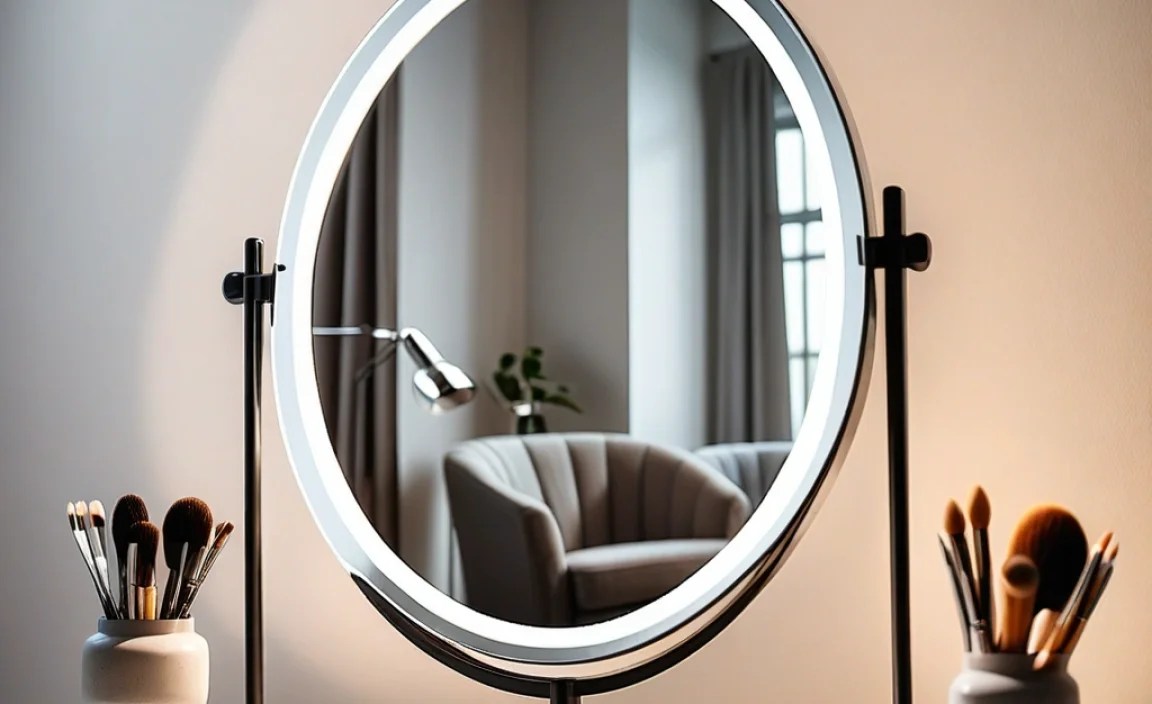
Mirrors seem simple, right? Just a piece of glass with a reflective coating. But the way they’re made and the materials used can have fancy names. Let’s shine a light on some of the most common mirror jargon and what it means for you at home.
What is Mirror “Silvering”?
You might hear about the “silvering” on the back of a mirror. This isn’t just a layer of paint! It’s the crucial part that makes the mirror reflective. Traditionally, this was a thin layer of real silver applied to the glass. This silver layer is then protected by one or more layers of metallic and/or paint coatings to prevent damage and corrosion. This process is still common for high-quality mirrors.
Alternative: Think of it as the “shiny backside” or the “reflective coating.” Most modern mirrors use similar, yet enhanced, chemical processes to achieve that perfect reflection, often involving aluminum or other metals alongside chemical treatments.
Understanding “Substrate”
The “substrate” is simply the base material of the mirror – usually glass. Different types of glass are used depending on the mirror’s intended use and safety requirements.
- Float Glass: This is the most common type of glass used for mirrors. It’s made by floating molten glass on a bed of molten tin. This results in a very flat and smooth surface, perfect for a clear reflection.
- Low-Iron Glass: A premium option, low-iron glass has less iron content, which means it’s clearer and doesn’t have that slight greenish tint that standard float glass can sometimes have, especially on the edges.
Alternative: Just call it the “glass” or the “base glass.” For most home mirrors, standard float glass is what you’ll find, and it works great!
What is “Tempered Glass” or “Safety Glass”?
Tempered glass is a type of safety glass that’s made stronger by controlled thermal or chemical treatments. When it breaks, it shatters into small, dull pieces instead of sharp shards. This is incredibly important for mirrors in areas where safety is a concern, like bathrooms or near doors.
You might see “tempered” or “safety glass” mentioned. This ensures if the mirror breaks, it’s much less likely to cause serious injury. Regulations, like those from the Consumer Product Safety Commission (CPSC), often recommend or require safety glass in certain applications.
Alternative: “Tougher glass” or “shatter-resistant glass.” If it’s for a high-traffic area or a place where kids and pets are around, look for mirrors made with this stronger glass, often labeled as safety glass.
“Beveling” Explained
Beveling refers to the decorative, angled edge that’s cut into a mirror. It’s not just for looks; it adds a touch of elegance and can make the mirror appear thicker and give it a framed look without an actual frame.
Alternative: A “fancy edge” or “angled border.” The wider/thicker the bevel, the more it stands out. Common bevel widths range from 1/4 inch to 1-1/2 inches.
Laminate or Safety Film
Some mirrors have a protective film or laminate applied to the back, often over the reflective coating. This adds an extra layer of safety, especially if the mirror breaks. It helps hold the pieces together, reducing the risk of shattering.
Alternative: “Protective backing” or “extra safety layer.” This is a good feature for any mirror, but especially one that might be on a door or in a child’s room.
Choosing the Right Mirror: Beyond the Jargon

Now that we’ve demystified some of the lingo, let’s talk about how to pick the best mirror for your needs. It’s not just about size and shape; it’s about quality, safety, and how it fits into your space.
Mirror Types for Home Use
| Mirror Type | What It Is | Best For | Key Features |
|---|---|---|---|
| Standard Wall Mirror | Glass with a silver or aluminum reflective coating. | Living rooms, bedrooms, hallways, entryways. | Variety of sizes, shapes, and frame options. |
| Bathroom Mirror | Often made with tempered or safety glass for durability and safety. May have special coatings to resist moisture. | Bathrooms, especially vanity mirrors. | Moisture resistance, shatter resistance. |
| Decorative Mirror | Focuses on design, often with ornate frames or unique shapes. Can be made with standard or premium glass. | Adding style to any room, accent pieces. | Aesthetic appeal, unique designs. |
| Full-Length Mirror | Tall mirrors designed to show your reflection from head to toe. | Bedrooms, dressing areas, entryways. | Generous size for checking outfits. |
| Vanity Mirror | Designed for use at a vanity or dressing table. Can be tabletop or wall-mounted. | Makeup application, grooming. | Often has adjustable angles or magnification. |
Key Considerations for Beginners
- Size and Placement: Measure your space carefully. A large mirror can make a small room feel bigger, while a strategically placed mirror can reflect light and open up a space. For example, near a window, it can bounce natural light around.
- Frame Style: Does it need to match your existing decor? Modern, rustic, minimalist, or ornate – frames can significantly change the look of a mirror.
- Safety First: For bathrooms, areas with children, or high-traffic zones, always opt for mirrors made with tempered glass or those that explicitly state they have a safety backing. This is a crucial detail that isn’t always obvious jargon.
- Quality of Reflection: Higher-quality glass and a well-applied reflective coating will provide a clearer, more accurate reflection with less distortion.
Installation & Care: Making Your Mirrors Last

Once you’ve chosen your perfect mirror, proper installation and care are key to ensuring it stays beautiful and safe for years to come. Even the most basic mirror needs a little attention.
Simple Installation Tips
For smaller mirrors, you might be able to use strong adhesive strips or picture-hanging hardware. For larger or heavier mirrors, especially those intended for bathrooms or high-traffic areas, secure mounting is essential. Always follow the manufacturer’s instructions.
- Locate Wall Studs: For wall-mounted mirrors, especially heavier ones, find wall studs for the most secure attachment. A stud finder is an invaluable tool for this. You can find great guides on how to use a stud finder from resources like Family Handyman.
- Use Appropriate Hardware: Ensure you’re using screws and anchors designed to hold the weight of your mirror.
- Leveling: Use a level tool to ensure your mirror is hung straight.
Cleaning and Maintenance
Cleaning mirrors is straightforward but requires the right technique to avoid streaks and damage.
- What You’ll Need:
- Two clean, lint-free cloths (microfiber cloths are excellent)
- A mixture of distilled water and white vinegar (equal parts), or a good-quality glass cleaner
- Spray bottle
- Cleaning Steps:
- Light Dusting: First, gently dust the mirror with a dry microfiber cloth to remove any loose dust or debris.
- Spray Sparingly: Spray your cleaning solution onto one of the cloths, not directly onto the mirror. Spraying directly can cause liquid to seep behind the mirror, damaging the reflective coating.
- Wipe in Sections: Wipe the mirror in a consistent pattern (e.g., side-to-side or top-to-bottom), overlapping your strokes to avoid missed spots.
- Buff Dry: Immediately use the second, dry microfiber cloth to buff the mirror dry. This step is crucial for preventing streaks and water spots.
- Abrasive cleaners or scouring pads that can scratch the glass.
- Ammonia-based cleaners can sometimes damage the reflective backing over time.
- Excessive moisture, especially around the edges.
Mirror Alternatives: When a Mirror Isn’t Just a Mirror

Sometimes, you might be looking for something that acts like a mirror but isn’t traditional glass. These alternatives offer different benefits like weight, durability, and cost.
Acrylic “Mirrors”
These are often called “plexiglass mirrors” or “acrylic mirror sheets.” They are essentially a sheet of acrylic plastic with a reflective coating applied to the back. They are much lighter and more shatter-resistant than glass mirrors.
Pros:
- Lightweight
- Shatter-resistant (safer where breakage is a concern)
- Can be easily cut and shaped
- Less expensive than glass mirrors in some cases
Cons:
- Can scratch more easily than glass
- May have a slightly distorted reflection compared to high-quality glass
- Can warp over time if not properly installed or if exposed to extreme temperatures
Best For: Craft projects, children’s rooms, RVs, situations where weight or shatter resistance is paramount. For example, if you’re creating a DIY mirror frame or need a large, lightweight reflective surface.
Polished Metal
Highly polished metals like stainless steel or aluminum can create a reflective surface, though it’s not a true mirror reflection. It’s more of a shine.
Pros:
- Extremely durable and resistant to breakage
- Can offer a unique aesthetic
Cons:
- Reflection is often muted and distorted
- Can be expensive
- Requires polishing to maintain shine
Best For: Industrial or specialty applications where a true mirror isn’t needed, but reflectivity is desired.
Mirror Tiles
These are small mirror pieces, often glass, that can be arranged to cover a larger surface. They are great for backsplashes, accent walls, or decorative applications.
Pros:
- Versatile for design
- Can add sparkle and dimension
Cons:
- Installation can be intricate
- Grout lines can make cleaning difficult
- Glass tiles can be fragile
FAQ: Your Mirror Questions Answered
Q1: What is the difference between a silvered mirror and an aluminum mirror?
Traditionally, mirrors used a real silver coating for the best reflection. Modern mirrors often use aluminum, which is more cost-effective and durable, and with advanced techniques, can provide a very comparable reflection. For everyday home use, the difference is often negligible.
Q2: Can I hang a heavy mirror without drilling into my wall?
For lighter mirrors, strong adhesive strips designed for mirrors can work. For heavier mirrors, it’s crucial to mount them securely into wall studs or use heavy-duty wall anchors. Skipping proper wall support for a heavy mirror is a safety risk.
Q3: How do I clean a mirror without leaving streaks?
Use a lint-free microfiber cloth and a mixture of equal parts distilled water and white vinegar, sprayed onto the cloth (not the mirror). Wipe in a consistent pattern and buff dry immediately with a second, dry cloth.
Q4: Is tempered glass really that much safer for mirrors?
Yes. Tempered glass is designed to break into small, dull pieces rather than sharp shards. This significantly reduces the risk of injury, making it a vital safety feature for any mirror in a home, especially in bathrooms or areas with children.
Q5: What does “lead-free” mean for mirrors?
Older mirrors sometimes contained lead in their backing or sealant to improve reflectivity and durability. “Lead-free” mirrors indicate that they do not contain this hazardous material, making them a safer and more environmentally friendly choice.
Q6: Can I use a regular room mirror in a bathroom?
While you can, it’s best to use mirrors specifically designed for bathrooms. These often have enhanced moisture resistance and use tempered or safety glass, which is crucial in a humid environment prone to impacts.
Conclusion: Mirror Confidence, Simplified
Navigating mirror terminology doesn’t have to be tricky. By understanding terms like “silvering,” “substrate,” and “tempering,” you can make more informed choices about the mirrors you bring into your home. Remember that these terms often relate to the mirror’s reflective coating, the type of glass used (its strength and clarity), and its overall safety features.
Whether you’re picking out a simple vanity mirror, a statement piece for your living room, or a practical solution for a bathroom, knowing these basics empowers you. Always consider the environment where the mirror will be placed – safety features like tempered glass are essential for high-traffic areas or places where accidental breakage could be a hazard. And remember, even the most basic cleaning can keep your mirrors looking their best.
With this guide, you’re now equipped to look beyond the jargon and truly appreciate the quality, safety, and aesthetic of your mirrors. Happy decorating and maintaining!
