
Understanding the uses of vanity is essential for maximizing your home’s functionality and style. From providing crucial storage and a dedicated grooming space to enhancing bathroom aesthetics and increasing property value, a well-chosen vanity offers practical benefits and a touch of luxury, proving itself a worthwhile investment for any homeowner.
Hey there, DIY enthusiasts and homeowners! Bryan Lee here. Ever looked at your bathroom and thought, “This could be so much better”? You’re not alone. Sometimes, the smallest changes make the biggest difference. Today, we’re diving into something that often gets overlooked but is a powerhouse of practicality and style: the vanity. Many people think of it just as a sink with a counter, but oh, there’s so much more to it! It might seem like a simple fixture, but its role in your home is actually quite significant. We’ll break down exactly why a vanity is more than just a pretty face in your bathroom, covering everything from its clever storage solutions to how it can transform your daily routine. Get ready to see your bathroom in a whole new light!
The Undeniable Uses of Vanity: More Than Just a Pretty Holder

When we talk about “uses of vanity,” we’re not talking about excessive pride or self-admiration. In the world of home improvement and design, a vanity is a distinct fixture that plays several vital roles. Think of it as the unsung hero of your bathroom or powder room. It’s the central hub where daily routines happen, from rushed morning preparations to relaxing evening wind-downs. But its utility extends far beyond simply holding a sink. Let’s explore the proven, essential insights that make vanities indispensable.
1. The Cornerstone of Bathroom Storage Solutions
This is arguably the most significant practical use of a vanity. Bathrooms inherently require storage for a multitude of items: toiletries, cleaning supplies, towels, personal care products, hair dryers, and so much more. A vanity, with its cabinets, drawers, and shelves, provides dedicated spaces to keep these items organized and out of sight. This not only declutters your bathroom but also makes everyday tasks more efficient. Imagine never having to search for a clean hand towel or your toothbrush again – it’s all neatly tucked away within your vanity.
- Drawer Organization: Most modern vanities come with drawers that are perfect for smaller items like makeup, skincare, razors, and medications. You can further organize these with drawer dividers.
- Cabinet Space: The space beneath the sink is typically enclosed by cabinet doors. This is ideal for storing bulkier items like cleaning supplies, spare toilet paper rolls, or larger bottles of shampoo and conditioner.
- Open Shelving (in some designs): Some vanity styles incorporate open shelving, which can be used to display decorative items or keep frequently used towels or toiletries within easy reach.
2. A Dedicated Grooming and Preparation Hub
Your vanity serves as your personal grooming station. It’s where you brush your teeth, wash your face, apply makeup, shave, and style your hair. The countertop provides a stable surface for your essentials, and the mirror above (often integrated or wall-mounted) is crucial for these tasks. A well-designed vanity setup can make these daily rituals smoother and more enjoyable. Good lighting, ample counter space, and convenient storage all contribute to a more functional and pleasant grooming experience.
Consider the ergonomics of your vanity. The height of the countertop and the placement of the faucet and mirror can significantly impact your comfort and efficiency. For taller individuals, a taller vanity can prevent slouching, while a comfortable reach to the faucet is essential for everyone.
3. Enhancing Bathroom Aesthetics and Style
Beyond its practical functions, the vanity is a major style element in any bathroom. It sets the tone for the entire room’s design. From sleek, modern vanities with minimalist lines to rustic farmhouse styles or ornate traditional designs, there’s a vanity to match every aesthetic. The choice of material for the countertop (granite, marble, quartz, laminate), the finish of the cabinetry (painted, stained wood, laminate), and the hardware (knobs, pulls) all contribute to the overall look and feel. A beautiful vanity can transform a mundane bathroom into a luxurious retreat.
The right vanity can:
- Anchor the Room: It acts as a central focal point, drawing the eye and establishing the room’s style.
- Reflect Personality: Your choice of vanity is a way to express your personal taste and design sensibilities.
- Improve Flow: A well-proportioned vanity can make a small bathroom feel larger and a large bathroom feel more cohesive.
4. Increasing Property Value and Appeal
When it comes to home sales, bathrooms and kitchens are often the biggest selling points. A stylish, functional, and well-maintained vanity can significantly boost a home’s appeal to potential buyers. It signals that the home is well-cared for and updated. In many real estate markets, replacing an outdated or purely functional vanity with a modern, attractive one is a sound investment that can yield a good return, especially if it complements the overall home’s style. According to home improvement experts, updating vanities is a cost-effective way to increase a home’s resale value.
For more insights on home renovation ROI, you can refer to resources from organizations like the National Association of Home Builders (NAHB), which often publishes data on the return on investment for various home improvement projects.
5. Creating a Functional Wash Area
At its core, a vanity provides a dedicated and functional space for washing. The sink and faucet mechanism are integral to this. Whether it’s a single or double sink setup, a vanity ensures that this essential function is integrated seamlessly into your bathroom design. The height of the sink, the depth of the basin, and the type of faucet all contribute to how practical and comfortable the wash area is for daily use. Some vanities can even accommodate specialized sinks like vessel sinks or undermount sinks, which offer different aesthetic and functional benefits.
Types of Vanities: Finding the Right Fit for Your Needs

The “uses of vanity” you can leverage are also influenced by the type of vanity you choose. Different styles offer varying levels of storage, design flexibility, and installation requirements. Understanding these distinctions will help you select the best option for your space and needs.
Freestanding Vanities
These are the most common type of vanity. They stand on their own feet and lean against the wall. They often resemble a piece of furniture, adding a decorative element to the bathroom. Installation is generally straightforward, making them popular for DIY projects.
- Pros: Easy to install, mobile (can be replaced or moved), wide variety of styles and sizes, often come with integrated sinks and countertops.
- Cons: May have less storage than built-in options, can sometimes leave a small gap behind, potentially allowing moisture or pests.
Wall-Mounted Vanities (Floating Vanities)
These vanities are attached directly to the wall, leaving the floor underneath exposed. This creates a minimalist, modern look and can make smaller bathrooms feel more spacious by opening up floor space. They are excellent for achieving a clean, contemporary aesthetic.
- Pros: Visually enlarges the space, easy to clean the floor underneath, sleek and modern appearance, can be installed at custom heights.
- Cons: Requires strong wall support for secure installation, plumbing can be more complex to hide, less storage capacity compared to some freestanding models.
Pedestal Sinks vs. Vanity Cabinets
While a pedestal sink is a sink supported by a pedestal, it generally lacks the storage and countertop space of a true vanity. Vanity cabinets are the core of what we’re discussing – the cabinet structure supporting a countertop and sink, offering the storage and functionality discussed earlier.
Corner Vanities
Designed to fit into a corner, these are excellent space-savers for smaller bathrooms or powder rooms where space is at a premium. They maximize the usability of often-underutilized corner areas.
- Pros: Excellent for small or oddly shaped bathrooms, utilizes corner space efficiently.
- Cons: Limited countertop space and storage, can sometimes feel less integrated than full-wall solutions.
Furniture-Style vanities
These vanities are designed to look like standalone furniture pieces, such as dressers or cabinets. They often feature decorative details like ornate legs, detailed drawer fronts, and unique hardware, adding character and a touch of luxury to the bathroom.
- Pros: High aesthetic appeal, unique character, can feature ample storage.
- Cons: Can be more expensive, may require more specific design considerations to integrate into the bathroom.
Key Considerations When Choosing a Vanity

Selecting the right vanity involves more than just picking what looks good. You need to balance aesthetics with functionality, space, and budget. Here’s a practical guide to help you through the process.
1. Measure Your Space Accurately
This is the absolute first step. Get out your tape measure! Measure the width, depth, and desired height of the space where the vanity will go. Don’t forget to account for door swings, other fixtures, and walkway clearance. A vanity that’s too large will make the room feel cramped, while one that’s too small might look out of place.
A good rule of thumb for clearance around a vanity:
- Space in front of the vanity (between vanity and door/opposite wall): At least 30 inches for comfortable movement.
- Space to the sides of the vanity: At least 15-18 inches between the vanity and any side wall or obstruction for faucet access and ease of cleaning.
2. Assess Your Storage Needs
How much “stuff” do you need to store in your bathroom? If you have a large family or a lot of personal care products, opt for a vanity with plenty of drawers and cabinet space. If it’s a powder room used mostly by guests, storage might be less of a priority than style.
| Storage Feature | Best For | Example Items |
|---|---|---|
| Deep Drawers | Larger items, towels, hair dryers | Curlers, bottles of shampoo, spare towels |
| Shallow Drawers | Small toiletries, makeup, grooming tools | Toothbrushes, toothpaste, makeup palettes, razors |
| Cabinet Space | Bulky items, cleaning supplies, extra rolls | Cleaning sprays, extra toilet paper reams, tall bottles |
| Open Shelving | Decorative items, frequently used hand towels | Display baskets, rolled hand towels, small plants |
3. Consider the Countertop Material
The countertop is central to the vanity’s look and durability. Each material has its pros and cons in terms of cost, maintenance, and appearance. For a beginner-friendly, durable option, solid surfaces like quartz are excellent.
- Quartz: Non-porous, highly durable, stain-resistant, low maintenance. Excellent all-around choice.
- Granite: Natural stone, durable, heat-resistant; requires sealing to prevent stains.
- Marble: Luxurious and beautiful, but porous and prone to staining and etching; requires careful maintenance.
- Laminate: Most budget-friendly, wide variety of patterns and colors, but less durable and can be prone to water damage.
- Solid Surface (e.g., Corian): Non-porous, repairable, wide range of colors, can be seamless.
Consulting resources like HomeTips can provide in-depth comparisons of countertop materials.
4. Think About the Sink Type
Vanities can accommodate various sink styles:
- Undermount: Installed beneath the countertop. Easier to clean the counter as spills simply wipe into the sink. Offers a sleek look.
- Drop-in (Top-mount): Sits in a hole cut into the countertop, with a rim resting on top. Generally easier and less expensive to install.
- Vessel: Sits on top of the countertop, resembling a bowl. Creates a dramatic design statement but can be harder to clean around.
5. Style and Design Integration
Ensure the vanity complements the overall style of your bathroom and home. If you have a modern home, a sleek, minimalist vanity will fit in better than an ornate, traditional one. For a farmhouse aesthetic, consider a distressed wood vanity. For transitional spaces, a simple shaker-style vanity in a neutral finish is often a safe bet.
6. Lighting and Mirror Considerations
While not part of the vanity unit itself, the lighting and mirror are crucial companions. Ensure you have adequate lighting around the vanity for practical use. The mirror’s size and style should also harmonize with the vanity and the room’s overall design. Think about whether you want a large mirror and a separate light fixture, or a mirror with integrated lighting.
DIY Installation: A Beginner-Friendly Approach

Installing a vanity might sound daunting, but with the right preparation and tools, it’s a manageable DIY project for many beginners. Safety and careful planning are key.
Tools You’ll Likely Need:
- Tape Measure
- Level
- Screwdriver Set (Phillips and Flathead)
- Adjustable Wrench
- Plumber’s Putty
- Silicone Caulk and Caulking Gun
- Pencil
- Safety Goggles and Gloves
- Drill and Drill Bits (if not pre-drilled)
- Reciprocating Saw or Jigsaw (if you need to cut a hole for plumbing)
- Utility Knife
- Bucket (for catching water)
Step-by-Step Installation Guide (Simplified):
- Prepare the Area: Turn off the water supply valves (hot and cold) under the old sink. Place a bucket underneath to catch any residual water. Disconnect the water supply lines and drain trap.
- Remove the Old Vanity: Unscrew the old vanity from the wall if it’s secured. Carefully lift it out. If it’s a drop-in sink, you may need to break the caulk seal around the edge with a utility knife.
- Clean the Space: Thoroughly clean the floor and wall where the new vanity will sit. This is also a good time to patch or paint the wall if necessary.
- Position the New Vanity: Place the new vanity in its intended location. Use a level to ensure it’s sitting straight. If it’s a freestanding vanity, you might need to shim it to make it level.
- Level and Secure: Most vanities have adjustable feet or can be secured to the wall studs for stability. Check the manufacturer’s instructions for specific mounting hardware and procedures.
- Install the Sink and Faucet: If your vanity didn’t come with an integrated sink and faucet, install them now according to their respective instructions. This usually involves plumber’s putty or silicone to create a watertight seal around the sink rim and drain.
- Connect Plumbing: Reconnect the water supply lines to the new faucet. Connect the drain trap to the sink’s drain. Ensure all connections are snug but don’t overtighten.
- Test for Leaks: Turn the water supply valves back on slowly. Run water in the sink and check all connections for leaks. Tighten as needed.
- Caulk the Edges: Apply a bead of silicone caulk along the seam where the vanity top meets the wall to prevent water from seeping behind it.
For detailed visual guides, resources like Family Handyman offer excellent step-by-step tutorials and videos.
Maintenance Tips for Your Vanity’s Longevity
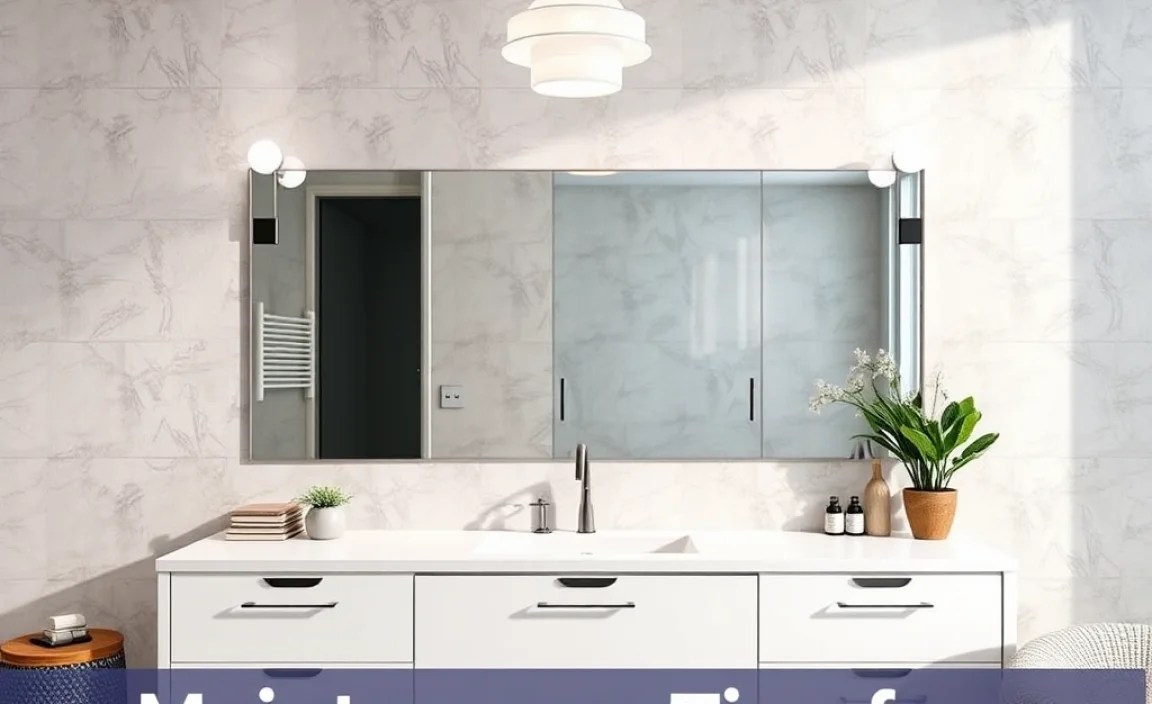
To ensure your vanity serves its many uses effectively for years to come, a little regular maintenance goes a long way. Simple cleaning and care will protect its materials and keep it looking great.
- Daily Cleaning: Wipe down countertop and sink with a soft, damp cloth. This prevents soap scum, toothpaste, and water spots from building up.
- Weekly Deep Clean: Use a mild, non-abrasive cleaner suitable for your countertop material. For wood cabinets, use a wood cleaner and polish.
- Address Spills Immediately: Especially with natural stone countertops like granite or marble, wipe up spills promptly to prevent staining or etching.
- Check Plumbing Periodically: Every few months, check under the sink for any signs of leaks or drips from the supply lines or drain. Tighten connections if necessary.
- Avoid Harsh Chemicals: Never use abrasive cleaners, scouring pads, or harsh chemicals like bleach or ammonia on your vanity.
