
Understanding the “naming of bathtub vs alternative” means recognizing that bathtub names reflect their style, material, and shape, while alternatives offer different bathing experiences. This guide simplifies it, helping you choose the perfect fit for your bathroom.
Choosing the right bathtub can feel like navigating a maze of names and options. You might hear terms like “alcove,” “freestanding,” or “soaking tub” and wonder what they really mean. Don’t worry; it’s a common point of confusion for many DIYers and homeowners. This guide is here to break down the different names and types of bathtubs, as well as explore fantastic alternatives, making your decision clear and confident. We’ll make sure you understand exactly what you’re looking at so you can create your dream bathroom.
Understanding Bathtub Terminology: The “Naming of Bathtub vs Alternative”

The “naming of bathtub vs alternative” is all about understanding how we categorize these essential fixtures. Bathtub names are often descriptive, hinting at their installation style, shape, or intended use. On the other hand, “alternatives” refer to bathing solutions that aren’t traditional bathtubs but still serve a similar purpose, like walk-in showers.
This guide will demystify the common bathtub names and introduce you to popular alternatives. We’ll cover:
- Common bathtub types and their names
- Materials used in bathtubs
- Popular bathing alternatives
- Pros and cons of each option
- Tips for choosing the best fit for your space and needs
Traditional Bathtub Types: Decoding the Names
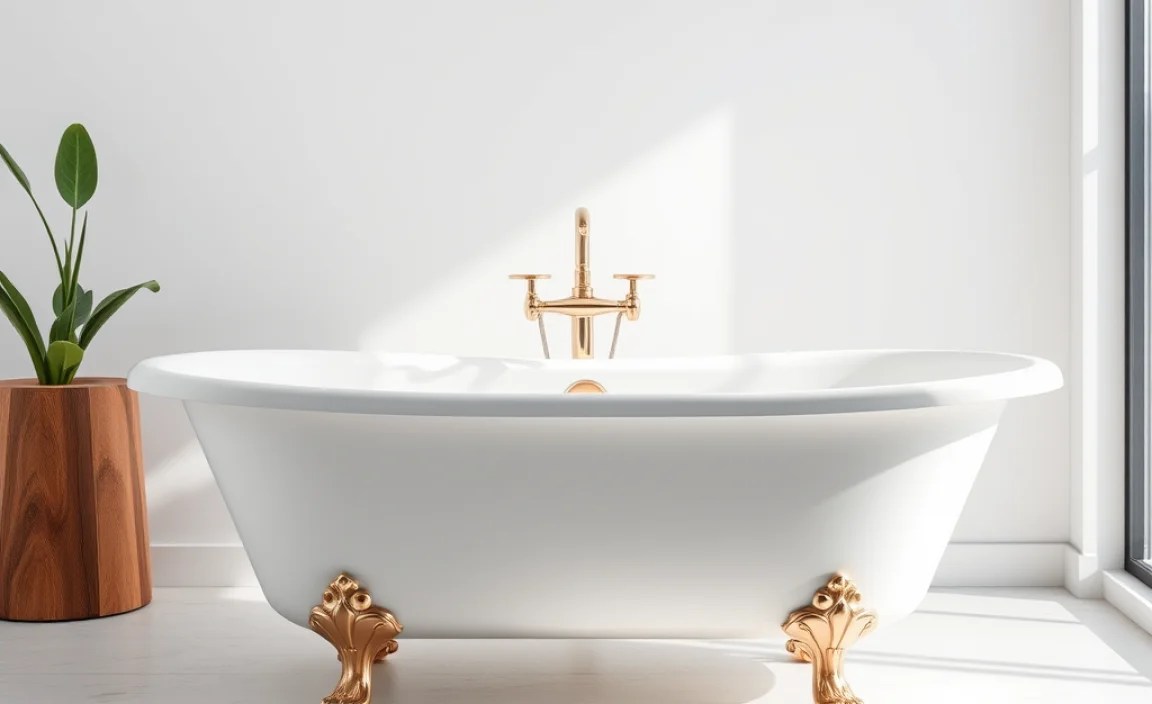
Bathtub manufacturers and designers use specific names to classify tubs. These names usually describe how the tub is installed and its general form. Knowing these terms will help you immensely when browsing showrooms or online catalogs.
1. Alcove Bathtubs
An alcove tub is the most common
type found in many homes. It’s designed to be installed against three walls, fitting snugly into a recessed space, or an “alcove.”
- Key Features: Usually has one finished side (the front lip) that faces into the room. It often has a built-in skirt or apron on the front.
- Installation: Typically installed between two walls.
- Common Use: Standard bathrooms, often paired with a showerhead and curtain or glass enclosure.
2. Drop-In Bathtubs (Undermount or Self-Rimming)
Drop-in tubs are designed to be installed into a built deck or surround that you construct. They can be “self-rimming” (where the tub lip rests on top of the deck) or “undermount” (where the lip is hidden and the countertop meets the tub edge for a sleek look).
- Key Features: The tub itself is the main focus, and the surrounding deck is customized.
- Installation: Placed into a pre-built frame or deck.
- Common Use: Can be installed in corners, against walls, or even as a central feature depending on the deck design.
3. Freestanding Bathtubs
These tubs stand on their own, not supported by any walls. They are design statements and can be placed anywhere in a bathroom, often becoming the focal point.
- Key Features: Exposed sides and back, allowing for versatile placement. This category includes clawfoot tubs (a classic style on decorative feet) and modern pedestal tubs.
- Installation: Requires water supply and drain lines to be routed to its specific location, often from the floor.
- Common Use: Larger bathrooms or master suites where the tub is a design element.
4. Corner Bathtubs
As the name suggests, these tubs are designed to fit into a bathroom corner. They come in various shapes, including triangular, quarter-round, and square, and can be either drop-in or alcove styles for corner installations.
- Key Features: Space-saving design for corner placement. Often larger and deeper, providing a more luxurious feel.
- Installation: Occupies a corner space, often with two finished sides.
- Common Use: Bathrooms where maximizing corner space is desirable, or for a more opulent bathing experience.
5. Japanese Soaking Tubs (Ofuro)
These are typically deep, square or rectangular tubs designed for soaking the body up to the neck. They are meant for relaxation rather than washing, with the idea that you wash yourself before entering the tub.
- Key Features: Very deep, allowing for complete immersion. Often made of wood (like hinoki cypress) or modern acrylics.
- Installation: Can be freestanding or built-in.
- Common Use: Focus on relaxation and soaking.
Bathtub Materials: More Than Just a Pretty Surface

The material a bathtub is made from significantly impacts its durability, feel, cost, and maintenance. Understanding these materials helps clarify the “naming of bathtub vs alternative” by defining its inherent qualities.
1. Acrylic
Acrylic tubs are made from vacuum-formed acrylic sheets that are then reinforced with fiberglass. They are lightweight, easy to install, and can be molded into various shapes and sizes.
Pros: Affordable, lightweight, non-porous (resists staining), holds heat well, available in many colors and designs.
Cons: Can scratch or crack under heavy impact, may warp if not properly supported.
2. Fiberglass (Gel-Coat)
These are created by spraying a mold with a gel-coat finish and then reinforcing it with fiberglass. They are the lightest and usually the least expensive option.
Pros: Very inexpensive, lightweight and easy to install, non-porous surface resists stains.
Cons: Prone to scratching and cracking, can fade over time, doesn’t retain heat as well as other materials, may not be as durable for high-traffic use.
3. Cast Iron
Cast iron tubs are made by pouring molten iron into a mold and then coating it with a thick porcelain enamel finish. They are incredibly durable and luxurious but very heavy.
Pros: Extremely durable, excellent heat retention, classic enamel finish is elegant and easy to clean, resistant to scratches and chips if cared for.
Cons: Very heavy (may require floor reinforcement), expensive, can chip if something heavy is dropped in it, the enamel can be damaged by abrasive cleaners.
4. Steel (Enameled Steel)
Similar to cast iron, but made from pressed steel. They are lighter than cast iron and more affordable, but still very strong.
Pros: Durable, holds heat reasonably well, less expensive than cast iron, lighter than cast iron.
Cons: Can dent if hit with extreme force, enamel can chip, less heat retention than cast iron.
5. Solid Surface / Composite
These tubs are made from a blend of natural minerals and resins. They offer a seamless, elegant look and a warm, inviting feel.
Pros: Durable, non-porous, repairable (scratches can often be buffed out), offers a seamless look, good heat retention.
Cons: Can be expensive, heavier than acrylic or fiberglass, susceptible to staining from harsh chemicals.
For more detailed information on materials and their properties, you can refer to resources like the Federal Trade Commission (FTC), which provides consumer guidance on product safety and materials.
Bathtub Alternatives: Beyond the Traditional Tub

When we discuss the “naming of bathtub vs alternative,” it’s crucial to explore options that don’t fit the traditional bathtub mold but offer a comparable or even superior bathing or showering experience. These alternatives are often chosen for accessibility, space-saving design, or a preference for a shower over a bath.
1. Walk-In Showers
A walk-in shower is a dedicated space for showering, usually enclosed by glass doors or panels, without a tub. They are increasingly popular for their modern aesthetic and ease of access.
- Key Features: Open or enclosed space with a showerhead, often featuring a curbless entry for maximum accessibility.
- Installation: Requires a waterproofed subfloor and adequate drainage.
- Common Use: Excellent for smaller bathrooms, for individuals with mobility challenges, or for those who prefer showering to bathing.
2. Shower/Tub Combos
This is a common setup where a bathtub has a showerhead installed above it, creating a dual-purpose fixture. The naming here is simple: “tub with shower.”
- Key Features: Combines the functionality of both a bath and a shower.
- Installation: Typically an alcove tub with a wall-mounted shower system and a curtain or glass door.
- Common Use: Ideal for bathrooms that need to accommodate various preferences or for maximizing functionality in limited space.
3. Wet Rooms
A wet room is a bathroom, or a designated part of a bathroom, that is completely waterproofed. This means the shower area isn’t necessarily separate; the entire room is designed to get wet without causing damage.
- Key Features: Fully waterproofed, often with a floor drain. Can integrate shower, toilet, and sink in a seamless design.
- Installation: Requires extensive waterproofing and proper drainage.
- Common Use: Modern bathrooms, smaller spaces needing efficient design, or for a spa-like feel.
Why Choose an Alternative?
- Accessibility: Walk-in showers, especially curbless ones, are far more accessible for the elderly or those with physical limitations.
- Space Saving: A well-designed walk-in shower can make a small bathroom feel larger and more open than a bulky tub.
- Water Efficiency: Showers generally use less water than baths, making them a greener choice.
- Time Saving: For many, a quick shower is more practical for busy schedules.
Comparing Bathtub Types and Alternatives: A Quick Overview

To help you visualize the differences, here’s a table summarizing key aspects of common bathtub types and shower alternatives. This comparison can aid in understanding the “naming of bathtub vs alternative” by showcasing their distinct features.
| Feature | Alcove Tub | Freestanding Tub | Drop-In Tub | Walk-In Shower | Wet Room |
|---|---|---|---|---|---|
| Typical Installation | Between 3 walls | Independent, focal point | Into a custom deck/surround | Dedicated space, often enclosed | Entire bathroom or section |
| Space Requirement | Medium | Large (for visual impact) | Medium to Large (depends on deck) | Small to Medium | Variable (can be most efficient) |
| Accessibility | Moderate (can be high step) | Moderate (can be high step) | Moderate to High (depends on deck height) | High (especially curbless) | Very High (curbless design) |
| Cost (General Range) | $ (Basic) to $$$ (Luxury) | $$$ to $$$$ | $$ to $$$$ | $$ to $$$ | $$$$ (due to waterproofing) |
| Primary Use | Bath & Shower | Relaxing Bath | Bath (often luxurious) | Refreshing Shower | Integrated Shower/Wash Area |
| Typical Materials | Acrylic, Fiberglass, Cast Iron | Acrylic, Composite, Cast Iron, Copper | Acrylic, Composite, Cast Iron | Tile, Stone, Glass, Acrylic Panels | Tile, Stone, Waterproof Membrane |
Choosing the Right Fixture for Your Bathroom
The decision between a named bathtub type and an alternative often boils down to personal preference, the existing bathroom layout, and your lifestyle. Here are some factors to consider:
1. Bathroom Size and Layout
Measure your space carefully. A large, luxurious freestanding tub might overwhelm a small bathroom, while a sleek walk-in shower could make it feel more spacious. An alcove tub is a good compromise for standard-sized bathrooms.
2. Lifestyle and Usage
Do you love long, relaxing baths? A deep soaking tub or a clawfoot option might be perfect. If your mornings are always rushed, a spacious walk-in shower could be more practical. For families with young children, a tub-shower combo is often the most versatile choice.
3. Accessibility Needs
As we age or if mobility becomes an issue, the ease of entry is paramount. Walk-in showers with low or no thresholds are significantly safer and easier to use. Some manufacturers also offer “walk-in tubs” which have a small door for entry, but these are a specific type of accessible bathtub. For guidance on bathroom safety and accessibility, the National Institutes of Health (NIH) offers insights into accessible design.
4. Budget
Costs vary widely. Basic fiberglass alcove tubs are the most budget-friendly. Freestanding and cast iron tubs are premium options. Walk-in showers can range from moderately priced to expensive, depending on the materials and features (like heated floors or elaborate tiling). Wet rooms, due to the extensive waterproofing, can be the most costly to install correctly.
5. Maintenance and Cleaning
Some materials are easier to clean than others. Non-porous surfaces like acrylic and solid surface are generally simple to wipe down and resist soap scum. Cast iron, with its enamel coating, is also easy to clean but requires avoiding abrasive scrubbers. Tiled shower floors can require more grout cleaning.
6. Aesthetics and Design
The fixture should complement your bathroom’s overall style. A modern bathroom might suit a minimalist walk-in shower or a sleek, solid-surface freestanding tub. A traditional or vintage bathroom could be elevated by a clawfoot tub or a classic alcove tub with subway tile surrounds.
Step-by-Step: Planning Your Bathroom Upgrade
Whether you’re replacing an old fixture or undergoing a full renovation, a little planning goes a long way. Here’s a simple process:
- Assess Your Current Setup: Note down accurate measurements of your existing tub or shower space. Check the condition of plumbing, subfloor, and walls.
- Determine Your Needs: Decide whether a bath, shower, or combination is best for your household. Consider future needs like aging in place.
- Explore Options: Browse online catalogs and visit showrooms. Use the terms we’ve discussed (alcove, freestanding, walk-in shower, etc.) to narrow your search.
- Check Plumbing Requirements: Some tubs and showers have specific plumbing setups. For example, freestanding tubs often need floor-mounted faucets. Ensure your plumbing can accommodate your choice.
- Factor in Installation: Consider whether you’ll DIY or hire a professional. Heavy materials like cast iron or complex waterproofing for a wet room are best left to experienced plumbers and contractors.
- Budget Accordingly: Account for not just the fixture itself, but also plumbing, installation labor, new fixtures (faucets, showerheads), flooring, and any necessary wall treatments.
- Make Your Choice: Based on all the above, select the bathtub type or alternative that best fits your space, budget, and lifestyle.
Tools You Might Need for Installation (DIY)
If you’re planning a DIY installation, having the right tools is crucial for safety and efficiency. While this list isn’t exhaustive and depends on the specific project, here are some common tools:
- Measuring tape
- Level
- Pliers (various types, e.g., slip-joint, channel locks)
- Adjustable wrenches
- Pipe wrench
- Screwdriver set
- Caulking gun
- Utility knife
- Stud finder
- Reciprocating saw (for potential demolition/cutting)
- Safety glasses
- Work gloves
- Buckets and rags
- Plumber’s putty or silicone sealant
- Drywall saw (if modifying walls)
Always consult the manufacturer’s installation guide for specific tool recommendations and safety precautions. For more general DIY tool advice.
