
Have you ever wondered why the sink doesn’t smell bad? Hidden beneath, there is a clever device. It’s called a P-trap. This little pipe helps to keep odors away. It also stops sewer gases from entering your home. Isn’t it amazing how something so simple can be so important?
The P-trap is an essential part of plumbing. It might look like a small curve in the pipe, but it does big work. While it’s often unnoticed, it’s very effective. Do you know how it works? Let’s find out!
Key Takeaways
- The P-trap stops sewer gases from entering your home.
- It holds water that blocks bad odors.
- Regular cleaning helps the P-trap work well.
- It is common in most home sinks.
- A P-trap is necessary for a healthy plumbing system.
The Purpose of a P-trap


The P-trap has a special job in your home. It stops smelly gases from entering your space. This bend in the pipe holds a small amount of water. The water acts as a barrier. It prevents sewer smells from coming up through the drain. Without this small device, your home could smell very bad. This small, curved pipe is usually below sinks. It’s present in kitchens and bathrooms. It also helps prevent small objects from clogging the pipes.
- Blocks bad smells effectively.
- Simple yet very useful design.
- Also prevents small clogs.
- Easy to clean and maintain.
- Found in most household sinks.
- Vital for a comfortable home.
- Works quietly but efficiently.
Without a functioning P-trap, homes would face many issues. It is often unnoticed, but crucial. Regular checks ensure it keeps working well. You might not see it every day, but it’s always on guard. It’s one of those things you don’t miss until it’s gone!
Fun Fact or Stats : The P-trap design dates back to the 19th century!
What Is Inside a P-trap?
The main part of a P-trap is its water seal. This water seal is what keeps the smells away. Every time you use the sink, some water stays in the bottom of the P-trap. Ever wonder why your sink doesn’t stink? That little water seal is the hero. It keeps the sewer gases trapped. Isn’t it fascinating how just a little water can do so much?
How Does a P-trap Prevent Smells?
The trick lies in the water left inside the P-trap. This water acts as a stopper. It blocks the path of sewer gases. Without this water, nothing would stop the gas from entering. Imagine a home filled with bad smells. Nobody wants that! The P-trap makes sure your home smells fresh and clean. How cool is that?
Dangers of a Dry P-trap
A P-trap needs water to work. If it dries out, it can’t do its job. Dry traps allow bad smells to escape. That’s why it’s important to use sinks regularly. This keeps the trap filled with water. Imagine if the P-trap went dry completely. It would be like leaving a door open for bad odors. That’s why regular use is key!
How to Maintain a P-trap
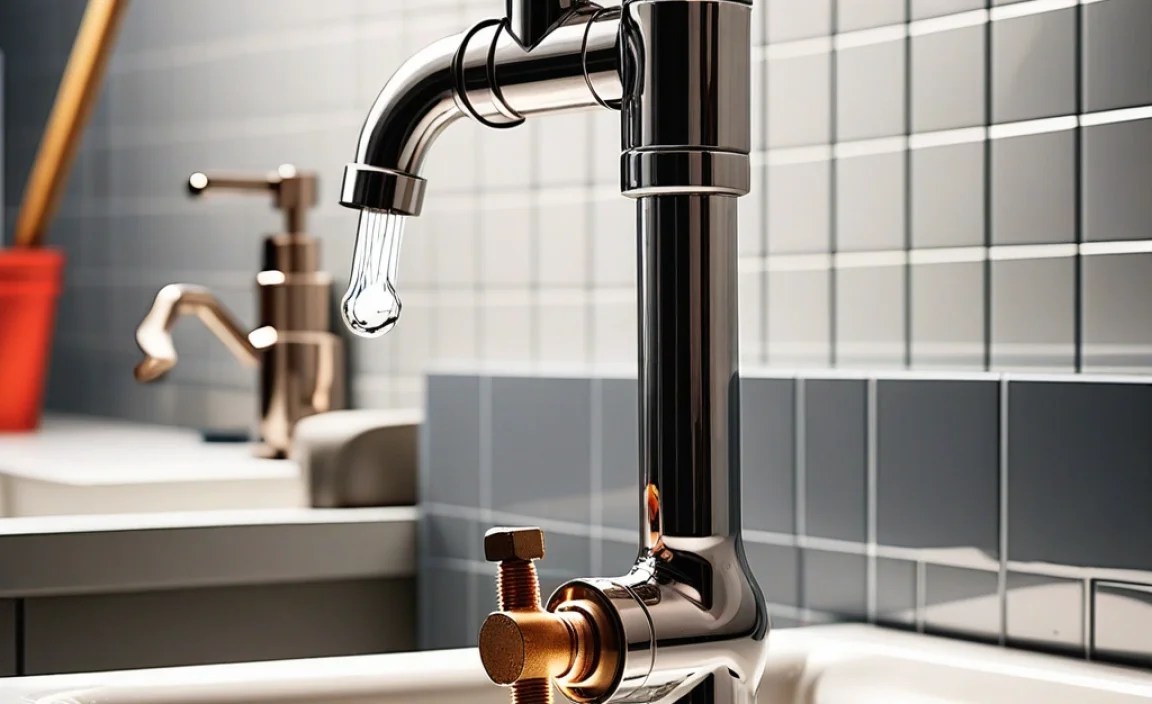
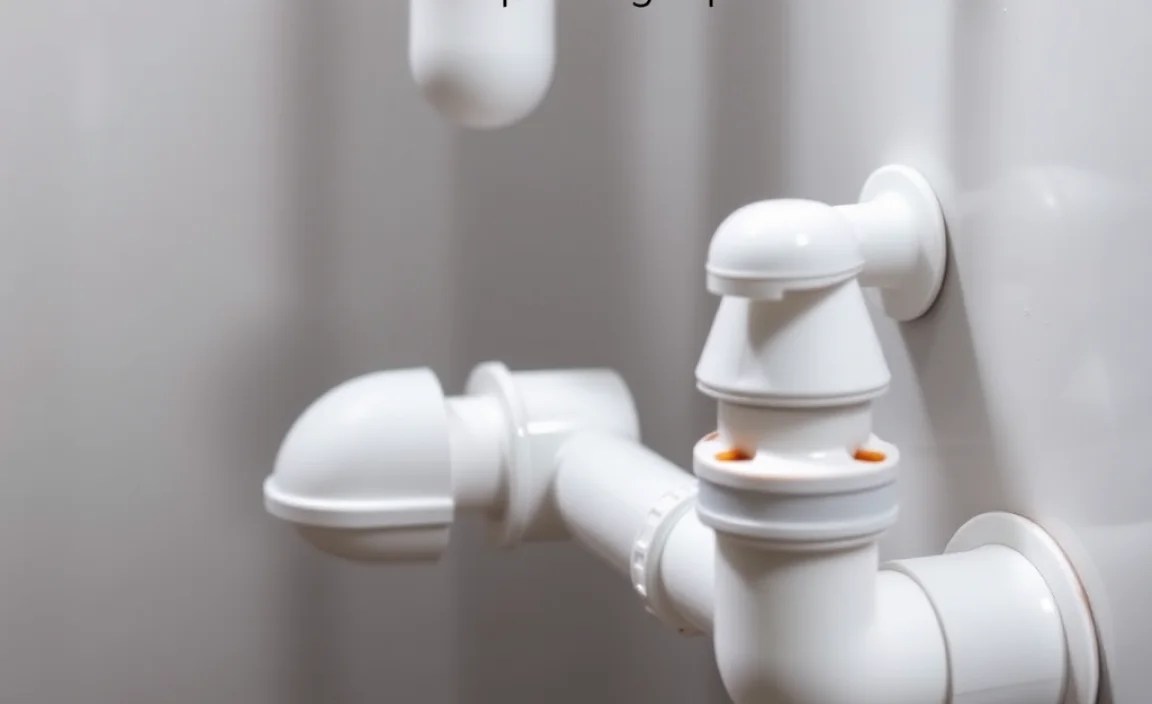
Keeping the P-trap in good condition is important. Regular cleaning ensures it remains effective. Over time, dirt and debris can build up. This can reduce its ability to stop odors. Cleaning it is simple, but some tools are needed. First, place a bucket under the trap. This catches any water that spills out. Then, carefully unscrew the P-trap. Removing dirt and debris helps the trap work smoothly.
- Check the trap regularly.
- Use a bucket for spills.
- Use gloves for a clean job.
- Scrub away any buildup.
- Reattach securely after cleaning.
- Use cleaning tools or brushes.
- Maintain regularly for best results.
After cleaning, make sure to screw the trap back on tightly. A loose trap can lead to leaks. A little extra care goes a long way. With regular maintenance, the P-trap stays in top shape. Plus, you keep those bad smells away!
Fun Fact or Stats : Most P-traps are made of durable plastic or metal.
Tools Needed for Cleaning a P-trap
Cleaning a P-trap is not tough. You need the right tools. A wrench helps to unscrew it. A bucket catches any spills. Rubber gloves protect your hands. A small brush helps scrub away dirt. With these tools, cleaning is a breeze. Make sure to have them handy before starting. It makes the job easier and quicker!
The Importance of Regular Checks
Regular checks ensure your P-trap works well. It’s a good idea to look for leaks. Leaks can cause big problems later. Checking also means spotting clogs early. Early action prevents bigger troubles. Imagine catching a problem before it gets worse. It’s always worth the effort. Check your P-trap often!
Signs of a Problematic P-trap
Sometimes, the P-trap can have issues. Watch out for bad smells. They mean the trap might be dry. Slow draining is another sign. It shows there might be a clog. Leaks are another problem. They’re easy to spot if you’re checking often. If you notice any of these, take action. Keep your P-trap working well!
Different Types of P-traps

There are different types of P-traps used in homes. Each type serves a unique purpose. The most common type is the standard one found under sinks. Some P-traps are made of plastic, while others are metal. The material used depends on where it’s installed. For example, plastic P-traps are often used in bathrooms. Metal ones might be used in kitchens because they are stronger. Knowing the types helps in choosing the right one for your needs.
- Plastic traps for lightweight use.
- Metal traps for heavy-duty use.
- Different shapes for varied settings.
- Easy to find in hardware stores.
- Choose based on your home needs.
- Some have special designs.
- Important to pick the right type.
When replacing a P-trap, pick the correct type. This ensures it fits and works well. Using the right materials can make a big difference. It makes the plumbing system more robust and efficient.
Fun Fact or Stats : Metal P-traps are often chrome-plated for durability.
| Type | Material | Common Use | Durability |
|---|---|---|---|
| Standard | Plastic | Bathroom Sink | Medium |
| Heavy-Duty | Metal | Kitchen Sink | High |
| Flexible | Plastic | Tight Spaces | Low |
| Special Design | Varies | Custom Applications | Varies |
Standard P-trap Uses
The standard P-trap is used mostly under sinks. It’s the go-to choice in bathrooms. This trap is often made of plastic. It’s lightweight and easy to install. When installing one, make sure it’s the right fit. The standard P-trap keeps the plumbing system running smoothly. It’s perfect for most household needs.
Metal vs. Plastic P-traps
Choosing between metal and plastic P-traps can be tricky. Metal ones are durable and ideal for kitchens. They handle heavier use. Plastic ones are more common in bathrooms. They’re lightweight and easy to handle. Each has its pros and cons. Which would you choose for your home? It’s all about finding the right balance.
Flexible P-traps for Tight Spaces
Sometimes, space is limited. That’s where flexible P-traps come in. These are made of plastic. They can bend and adjust to fit. They’re perfect for tight spaces. Imagine trying to fit a rigid pipe in a tiny spot. Not easy! Flexible P-traps make such challenges manageable. They offer a practical solution for many homes.
Replacing a P-trap
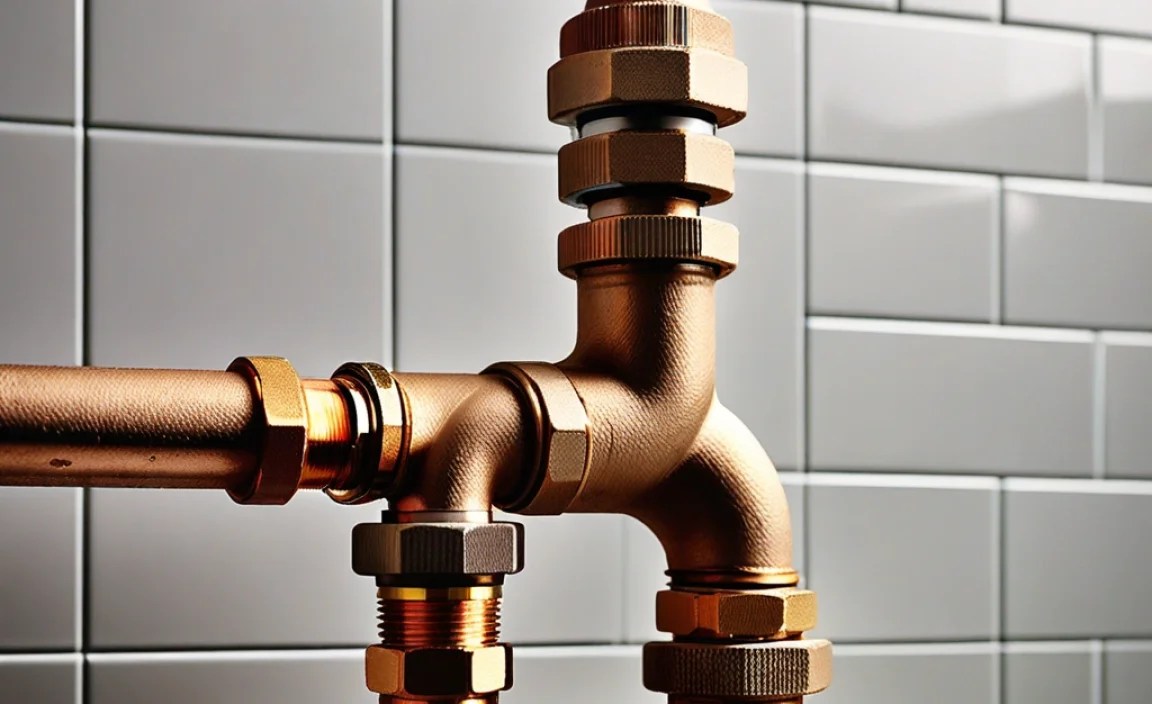
Replacing a P-trap sounds difficult, but it’s manageable. First, gather the needed tools, like a wrench and bucket. Begin by loosening the nuts on the old trap. This may require some force. Be ready to catch any water with the bucket. Once removed, install the new P-trap. Ensure it’s the same size and type as the old one. Tighten all connections to prevent leaks. Test it by running water to check if it works properly.
- Gather tools first.
- Loosen nuts carefully.
- Remove old trap completely.
- Fit new trap in place.
- Tighten connections well.
- Test for any leaks.
- Ensure it’s the right size.
Replacing a P-trap is a useful skill. It saves time and money. If done correctly, it ensures your sink works perfectly. A new trap means a better seal and no bad odors. It’s a small task with big benefits.
Fun Fact or Stats : Replacing a P-trap can take under 30 minutes!
Tools Needed for Replacement
Before starting, gather the necessary tools. A wrench is essential to loosen nuts. A bucket helps catch spills. New P-trap parts are obviously needed. Gloves keep your hands clean. Having the right tools makes the job easier. Without them, a simple task becomes difficult. It’s much like baking a cake without a pan. Make sure you’re fully prepared!
Steps to Replace a P-trap
Replacing a P-trap involves a few steps. Start by turning off the water supply. Loosen the nuts holding the trap. Remove the old trap carefully. Fit the new trap in its place. Tighten the nuts securely. Finally, test for leaks by running water. Each step is important for a successful replacement. Why skip any? It’s like leaving out steps in a recipe. Ensure a perfect finish!
How to Test for Leaks
Testing for leaks is crucial after fitting a new P-trap. Begin by turning on the faucet. Let water flow through. Watch for any drips or leaks. If you see any, tighten the connections. A few minutes of testing can save future troubles. It’s like checking a new toy for any faults. Always better to know early!
Conclusion
The P-trap is an essential part of plumbing. It keeps your home odor-free. Regular checks and maintenance ensure it works well. Whether it’s cleaning or replacing, understanding the P-trap helps. Knowing its types and uses can make a difference. So, next time you use the sink, remember the hard-working P-trap below it.
FAQs
Question: What is a P-trap?
Answer: A P-trap is a plumbing device. It prevents sewer gases from entering your home. It holds water that blocks smells. Located under sinks, it is crucial for a healthy home environment.
Question: Why do P-traps smell bad sometimes?
Answer: A P-trap can smell bad if it’s dry. Without water, it can’t block odors. Regular use of the sink helps keep it filled. Sometimes, cleaning might be needed to remove buildup.
Question: How do I clean a P-trap?
Answer: Cleaning a P-trap involves disassembling and scrubbing away debris. Use a bucket to catch water. After cleaning, reattach it securely. Regular cleaning ensures it stays effective.
Question: Can I replace a P-trap myself?
Answer: Yes, replacing a P-trap is a doable task. Gather the right tools first. Follow the steps carefully. Ensure the new trap is the correct size and type. Testing for leaks is important after installation.
Question: What types of P-traps are there?
Answer: There are plastic and metal P-traps. Plastic ones are lightweight and common in bathrooms. Metal ones are durable and often used in kitchens. Flexible ones fit tight spaces. Choosing the right one is crucial.
Question: How often should I check my P-trap?
Answer: Regularly check your P-trap every few months. Look for signs of leaks or clogs. Regular checks ensure it works well. Early detection prevents bigger issues. Keeping it in good shape is vital for your home.
