
Ready to tackle toilet removal yourself? This straightforward guide breaks down the process into easy steps. Don’t worry, it’s totally doable! We’ll cover everything you need, from shutting off the water to safely lifting the old toilet. Get ready to gain some DIY confidence and save money. Let’s get started and transform your bathroom project!
Why You Might Need to Remove Your Toilet

There are several reasons why you might find yourself needing to remove a toilet. It’s a common task when you’re renovating your bathroom, updating to a new, more water-efficient model, or perhaps dealing with a persistent leak or crack that can’t be fixed. Sometimes, it’s simply about giving your bathroom a fresh new look with a different style of toilet. Whatever the reason, knowing how to remove a toilet yourself can save you the cost of a plumber and give you a real sense of accomplishment. Don’t let the thought intimidate you; with the right preparation and clear instructions, this is a DIY project well within your reach. We’ll walk you through each step, ensuring you feel confident and prepared.
Tools and Materials You’ll Need for Toilet Removal

Gathering the right tools before you begin is key to a smooth and efficient process. Having everything you need at hand means you won’t be scrambling in the middle of your project. Here’s a comprehensive list of what you should have ready:
- Adjustable Wrench or Pliers: Essential for loosening and tightening the nuts that hold the water supply line and the toilet to the floor.
- Bucket: To catch any residual water from the tank and bowl.
- Old Towels or Rags: For soaking up water spills and protecting your floor.
- Putty Knife or Scraper: To help break the seal between the toilet and the floor.
- Sponge: To remove as much water as possible from the tank and bowl.
- Safety Glasses: To protect your eyes from debris or splashing water.
- Work Gloves: To keep your hands clean and protected.
- Utility Knife: For scoring caulk around the base of the toilet.
- Pry Bar (optional, but helpful): For gently lifting the toilet if it’s stuck.
- New Wax Ring and Shims (if reinstalling or replacing): A new wax ring is crucial for creating a watertight seal when reinstalling a toilet. Shims can help level the toilet if your floor is uneven.
- Disposal Bags or Hauling Service: To dispose of the old toilet properly. Check your local waste disposal regulations.
Safety First: Important Precautions
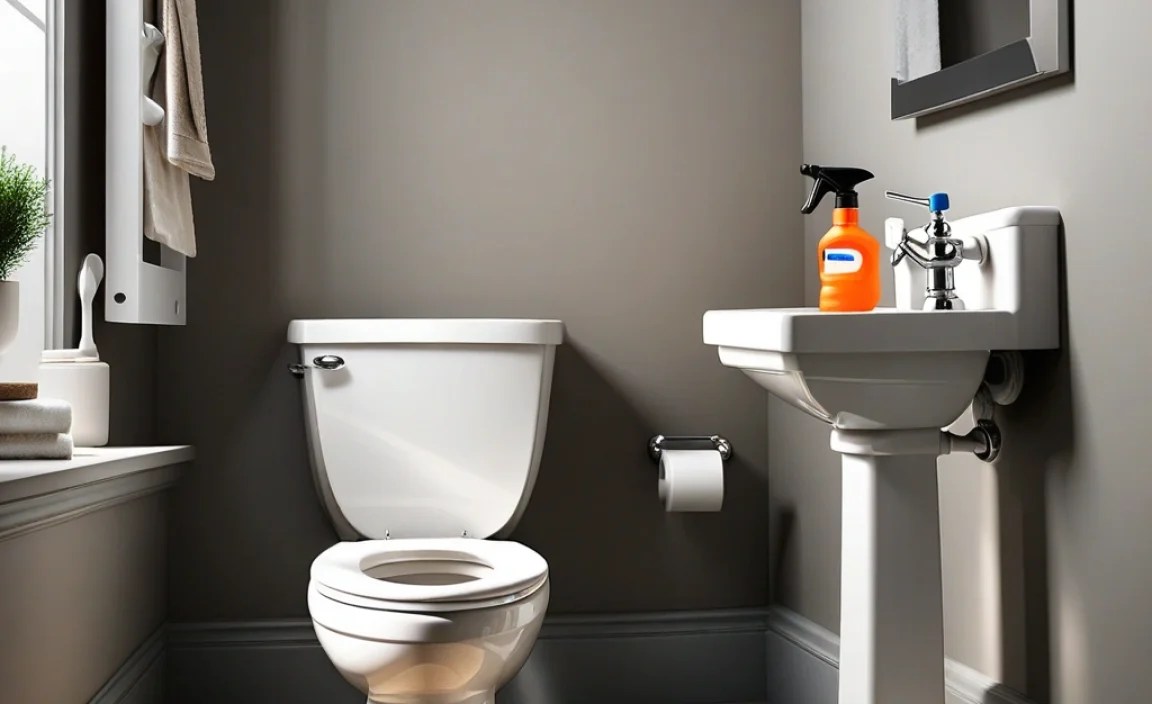
Before we dive into the removal steps, let’s talk about safety. Working with plumbing involves water and potentially heavy lifting, so a few precautions will ensure everything goes smoothly and safely. Safety is always the top priority in any DIY job. Let’s make sure you’re protected.
- Water Shut-Off: Always ensure the water is completely shut off to the toilet before you start.
- Electrical Safety: If your toilet is located near any electrical outlets or fixtures, be mindful of water spills and keep electrical components dry.
- Lifting Safely: Toilets can be surprisingly heavy and awkward to maneuver. If you’re not comfortable lifting it alone, ask a friend or family member for help. Bend your knees and lift with your legs, not your back.
- Eye Protection: Wear safety glasses to protect your eyes from any dust or small particles that might dislodge.
- Gloves: Use work gloves to protect your hands from dirt and potential sharp edges.
- Ventilation: Ensure the bathroom is well-ventilated, especially if you’ll be dealing with older plumbing or potential mold.
Step-by-Step Guide to Removing Your Toilet

Let’s get this done! Follow these steps carefully, and you’ll have that old toilet out without a hitch.
Step 1: Turn Off the Water Supply
The very first thing you need to do is stop the flow of water to the toilet. Locate the shut-off valve, which is usually found on the wall behind or to the side of the toilet. It’s a small, oval-shaped handle. Turn this handle clockwise until it stops. Don’t force it if it feels stuck; if it won’t budge, you might need to turn off the main water supply to your house for this project.
Once the valve is shut, flush the toilet to drain most of the water from the tank. Hold the flush lever down to get as much water out as possible. You might need to flush it a couple of times.
Step 2: Drain the Remaining Water
Even after flushing, there will be some water left in the tank and the toilet bowl. Use your sponge and bucket to remove as much of this residual water as you can. Soak up the water from the tank using the sponge and wring it into the bucket. Do the same for the bowl, getting into the trap as much as you can. A good portion of the water will go down the drain, but you’ll want to remove any standing water to minimize spills later.
Step 3: Disconnect the Water Supply Line
Now, you need to detach the water supply line from the tank. Place your bucket and some towels underneath the connection point to catch any drips. Use your adjustable wrench or pliers to loosen the nut connecting the supply line to the fill valve on the bottom of the toilet tank. Unscrew it completely. Be prepared for a small amount of water to escape.
If the valve itself feels corroded or difficult, you might consider replacing it while you’re at it, though this is an optional step if it’s working fine.
Step 4: Remove the Toilet Tank Bolts
The toilet tank is usually secured to the toilet bowl with two bolts. These bolts are located on the bottom surface of the tank where it sits on the bowl. You’ll typically find plastic caps covering these bolts. You might need to remove these caps first. Below the tank, on the inside of the toilet bowl, there will be nuts securing these bolts. Use your wrench or pliers to hold the bolt head steady while you unscrew the nuts from underneath. If they are difficult to reach or turn, sometimes a socket wrench can be more effective.
Step 5: Lift Off the Toilet Tank
Once the nuts are removed, the toilet tank should lift straight up off the toilet bowl. It might be a bit heavy, so be prepared for its weight. Set the tank aside carefully in a safe place where it won’t be damaged or fall over. You’ll see a gasket or seal between the tank and the bowl; this will likely need to be replaced if you plan to reinstall the tank, which is usually the case.
Step 6: Remove the Toilet Bowl Bolts
At the base of the toilet bowl, where it meets the floor, you’ll find two bolts that anchor the toilet to the subfloor. These bolts are usually covered by plastic caps. Pry off these caps using a putty knife or flathead screwdriver. You’ll likely see nuts on these bolts that are either plastic or metal. Use your adjustable wrench or pliers to unscrew these nuts. If the bolts spin with the nuts, you may need to use a screwdriver to hold the bolt head steady from the top.
Step 7: Break the Seal and Lift the Toilet Bowl
With the bolts removed, the toilet bowl is no longer secured. However, it’s typically sealed to the floor with a wax ring and possibly some old caulk. If there’s caulk around the base, carefully run a utility knife around the edge to cut through it. Then, try to gently rock the toilet bowl. This rocking motion will help break the wax seal. If it’s stuck, use your putty knife or a thin pry bar (carefully!) to get underneath the base and gently pry it up. Be cautious not to damage the floor.
Once the seal is broken, lift the toilet bowl straight up. This is the heaviest part, so be ready for its weight and awkwardness. Lift it vertically, keeping it as level as possible to avoid spilling remaining water. Move it out of the way to a prepared spot, like a drop cloth or old towels, to stand it on its side.
Step 8: Clean the Flange and Floor
After the toilet bowl is removed, you’ll see a metal or plastic flange sticking up from the floor. This is where the toilet’s wax ring seals. You’ll need to clean off the old wax and any debris from the flange and the surrounding floor. Use your putty knife or scraper to scrape away all the old wax. Be thorough, as any residue can prevent a good seal for a new toilet. Also, check the flange for any damage. If it’s cracked or broken, it will need to be repaired before you can install a new toilet. You can find information on flange repair from resources like Home Construction Improvement.
Clean the floor area around the flange as well. Any old caulk or debris should be removed.
What to Do With Your Old Toilet
Once the toilet is removed, you’ll need to consider how to dispose of it. Toilets are bulky items, and not all garbage services will take them without special arrangements. Here are a few options:
- Local Waste Management: Check with your local municipality or waste disposal service. They may offer scheduled bulk item pickup days, or you might need to schedule a special pickup for an additional fee.
- Landfill or Transfer Station: You can transport the toilet yourself to a local landfill or transfer station. Be sure to check their acceptance policies and any associated fees for disposal.
- Salvage Yards or Recycling Centers: Some specialized recycling centers or salvage yards might accept old toilets, especially if they are made of recyclable materials.
- Donation (if in good condition): If the toilet is still in good working order and just being replaced for aesthetic reasons, some architectural salvage yards or Habitat for Humanity ReStores might accept donations.
Remember to transport it carefully to avoid further damage or personal injury. It is recommended to have someone help you carry it. If you are unsure about local regulations or disposal procedures, it is always best to contact your local sanitation department for guidance.
Common Issues and How to Solve Them During Removal
Even with the best preparation, DIY projects can sometimes present unexpected challenges. Here are a few common issues you might encounter when removing a toilet and how to address them.
| Problem | Cause | Solution |
|---|---|---|
| Stuck Toilet Bowl | Old wax seal, caulk, or hardened debris. | Use a putty knife or pry bar gently around the base. Rocking the toilet can also help break the seal. Avoid excessive force to prevent floor damage. |
| Corroded or Stuck Nuts | Mineral buildup and rust over time. | Apply a penetrating lubricant (like WD-40) and let it sit for a while. Use a proper-sized wrench and apply steady pressure. If necessary, a pipe wrench might provide better grip, but be cautious not to strip the nut or bolt. |
| Toilet is Too Heavy to Lift | Weight of porcelain and accumulated water. | Always get help! Don’t try to lift it alone if it feels too heavy. Lift with your legs, not your back, and keep the toilet as upright as possible to minimize water spillage. |
| Water Supply Valve Won’t Shut Off | Valve is old, corroded, or seized. | Shut off the main water supply to your house at the meter. This is crucial before proceeding. Once the main is off, you can safely disconnect the supply line. |
| Damaged Flange | Previous improper installation, wear and tear, or corrosion. | A damaged flange needs repair or replacement before a new toilet can be installed. This might involve using a flange repair ring or replacing the entire flange. For complex flange damage, it’s best to consult a professional plumber. Information on common plumbing repairs can often be found on sites like This Old House. |
Frequently Asked Questions About Removing a Toilet DIY
Q1: How long does it take to remove a toilet?
A: For most DIYers, removing a toilet can take anywhere from 30 minutes to 1.5 hours. This includes gathering tools, shutting off water, disconnecting, and lifting. If you’ve done it before or are very prepared, it can be quicker. If you run into stubborn bolts or seals, it might take a bit longer.
Q2: Do I need a special tool to remove toilet bolts?
A: Typically, an adjustable wrench or pliers are sufficient for the nuts that hold the toilet to the floor and the tank to the bowl. Some bolts might have plastic caps that need to be pried off with a putty knife or flathead screwdriver. A socket wrench can sometimes be helpful for hard-to-reach nuts.
Q3: Is it messy to remove a toilet?
A: It can be somewhat messy. There’s residual water in the tank and bowl that needs to be sponged out. Spills can happen, especially when lifting the bowl. Having plenty of old towels, rags, and a bucket ready will help minimize the mess. Cleaning the old wax ring off the floor and flange also requires some scraping.
Q4: What if the toilet is very heavy?
A: Toilets are heavy and awkward. If you’re not confident in your strength, it’s absolutely essential to get help from another person. Proper lifting techniques – bending your knees and lifting with your legs – are also important to prevent injury.
Q5: Can I reuse the old wax ring?
A: No, you should never reuse an old wax ring. It’s designed for a single use to create a watertight and airtight seal. Reusing it will likely lead to leaks and potential water damage. Always use a new wax ring when reinstalling a toilet.
Q6: What is a toilet flange, and why is it important?
A: The toilet flange is a pipe fitting that connects the toilet to the drainpipe in the floor. It also acts as the base for the toilet, helping to secure it to the floor and creating the seal for the waste outlet. A properly functioning flange is critical for preventing leaks and sewer gas from entering your home.
Conclusion
You’ve done it! By following these steps, you’ve successfully navigated the process of removing a toilet yourself. This accomplishment not only saves you money but also builds your confidence in tackling future DIY projects around your home. Remember the importance of preparation, safety, and taking your time. You’ve learned valuable skills that can be applied to upgrading your bathroom or handling other plumbing needs. Don’t hesitate to consult this guide again if you need to remove another toilet down the line. Happy DIYing, and enjoy your updated space!
