
Understanding your repair cabinet cost is straightforward with this guide. Most common repairs for kitchen or bathroom cabinets are budget-friendly, often costing between $100 to $500 for minor issues like hinge replacement or drawer slide fixes, while more extensive damage can range from $500 to $2,000+. This guide breaks down what influences these costs and how to get the best value for your money.
Dealing with damaged cabinets can be frustrating. Whether it’s a loose hinge, a sticky drawer, or a damaged door, these issues can make your kitchen or bathroom look less than perfect and disrupt your daily routine. But don’t worry! Fixing cabinets doesn’t always mean a huge expense. With the right information, you can understand what influences the repair cabinet cost and what to expect. This guide will walk you through the process, making it easy and stress-free. Let’s dive into how you can get your cabinets looking and working like new again without breaking the bank.
Understanding What Affects Your Repair Cabinet Cost


The price for cabinet repairs can swing quite a bit. It really depends on a few key things. Think of it like going to a mechanic for your car – a simple oil change is way cheaper than fixing a transmission. The same goes for your cabinets. Let’s break down the main factors that will shape your repair cabinet cost.
Type of Damage
The most obvious factor is what’s actually wrong with your cabinet.
Minor Issues: These are usually the cheapest to fix. Things like a loose hinge, a wobbly drawer, or a minor scratch on the surface fall into this category. These often require simple tools and a bit of DIY skill or a short visit from a handyman.
Moderate Issues: These might involve more work. Examples include repairing a broken door panel, fixing a damaged cabinet frame, or replacing very worn drawer slides. These take a bit more time and potentially more specialized parts.
Major Issues: These are the most expensive. This could mean extensive water damage, severe structural problems, or needing to replace multiple doors and drawer fronts. Sometimes, when the damage is this severe, it might be more cost-effective to consider cabinet refacing or even replacement, rather than just repair.
Material and Finish
The types of materials your cabinets are made from and their finish also play a role.
Wood Types: Hardwoods like oak or maple can be more expensive to repair than softer woods or composite materials. Matching the existing wood grain and stain can also add to the cost, especially for custom finishes.
Laminate or Veneer: Repairs to these surfaces can be tricky. If the veneer is peeling, a professional might need to re-adhere it or even replace the panel. If it’s a laminate, matching the pattern and texture can be challenging.
Paint vs. Stain: Repainting a small area can be relatively inexpensive. However, if your cabinets are stained, matching the original stain color exactly can be a more complex and costly process.
Labor Costs
This is a big part of the repair cabinet cost. Handymen and cabinet repair specialists charge different rates depending on their experience and location.
DIY vs. Professional: Doing the repair yourself can save significantly on labor costs. However, if the job requires specialized tools or expertise, it might be worth hiring a professional to ensure it’s done right the first time. A botched DIY job can end up costing more to fix.
Geographic Location: Labor rates vary greatly from one city or region to another. Expect to pay more in areas with a higher cost of living.
Specialization: A dedicated cabinet maker or refinisher might charge more than a general handyman, but they’ll often have superior skills for complex cabinet issues.
Parts and Hardware
The cost of replacement parts can also add up.
Hardware: Hinges, drawer pulls, and drawer slides can range from basic, affordable options to high-end, custom pieces. If you need to replace a specific brand or style to match existing hardware, it might be pricier.
Replacement Panels or Doors: If a door or drawer front is beyond repair, you’ll need to order new ones. Custom-sized or styled doors will cost more than standard, pre-made ones.
Common Cabinet Repairs and Their Costs

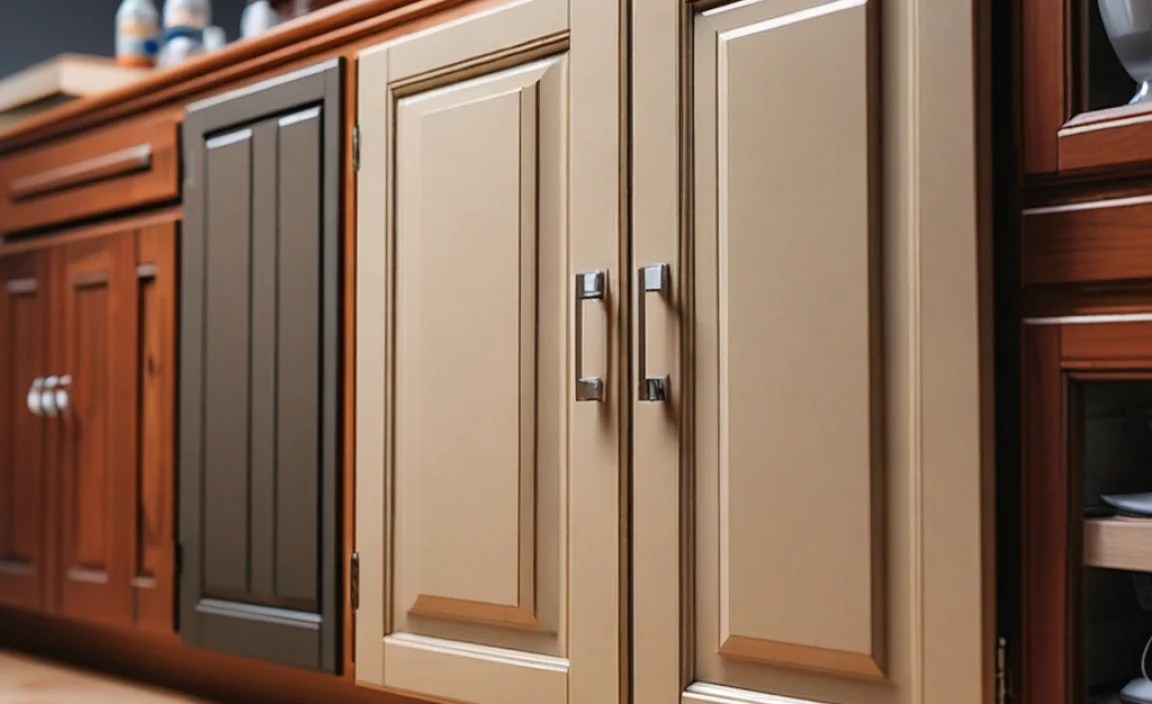
Let’s look at some of the most frequent cabinet problems and what you can typically expect to pay for their repair. This will give you a clearer picture of the repair cabinet cost for specific issues.
Hinge Repair or Replacement
Loose, sagging, or broken cabinet hinges are very common.
Cost:
DIY: A single hinge can cost between $5 to $20. You’ll also need a screwdriver.
Professional: For a handyman to replace one or two hinges, expect to pay $75 to $200, which includes the part and about an hour of labor. If multiple hinges need replacing or if they are specialized concealed hinges, the cost can go up.
Drawer Slide Repair or Replacement
Sticky, misaligned, or completely broken drawer slides can be a major annoyance.
Cost:
DIY: Replacement drawer slides can cost $15 to $50 per pair, depending on the type (ball-bearing, roller, undermount). You’ll need a screwdriver and possibly a drill.
Professional: A handyman might charge $100 to $300 per drawer to replace the slides, including parts and labor. This assumes standard drawer sizes and simple slide types. Specialized heavy-duty or soft-close slides will increase the price.
Door Alignment and Adjustment
Sometimes, cabinet doors just get out of whack. This is often due to hinges loosening over time.
Cost:
DIY: This is usually a quick fix with just a screwdriver. Most modern hinges have adjustment screws that can realign the door precisely. It’s often free if you have the right tool.
Professional: If you’re not comfortable doing it yourself or if the issue is more complex, a handyman could charge $75 to $150 to adjust several doors.
Fixing Scratches and Scuffs
Minor surface damage can often be buffed out or touched up.
Cost:
DIY: You can buy touch-up pens, wax sticks, or stain repair kits for $10 to $30. For painted cabinets, a small amount of matching paint might cost $20 to $50.
Professional: A cabinet repair specialist might charge $150 to $400 for minor scratch and blemish repair on a few doors or a cabinet face. For an entire cabinet or a large area, the cost increases significantly.
Repairing Water Damage
Water damage can be tricky and expensive, depending on its severity.
Cost:
Minor Surface Water Stains: If it’s just on the surface of stained wood, a professional might be able to clean and re-finish it for $200 to $500.
Structural Water Damage: If the wood itself has warped, swollen, or delaminated, repair can involve replacing entire sections of the cabinet box or doors. This can range from $500 to $2,000+ per affected cabinet, and at this point, replacement might be more economical. For extensive damage, professional restoration services are recommended.
Replacing Damaged Doors or Drawer Fronts
If a door panel is cracked or a drawer front is significantly damaged, replacement might be necessary.
Cost:
DIY: You can buy basic replacement doors or drawer fronts. Prices vary wildly based on material and style, from $50 for a simple MDF door to $200+ for a solid wood, raised-panel door.
Professional: Including labor to remove the old and install the new, you could be looking at $150 to $500 per door or drawer front. Matching existing finishes is key and can add to the cost.
DIY vs. Professional Cabinet Repair: Weighing the Options

Deciding whether to tackle a cabinet repair yourself or call in a pro is a common dilemma. Both have their pros and cons that directly impact your overall repair cabinet cost.
DIY Cabinet Repair
Pros:
Cost Savings: This is the biggest advantage. You save significantly on labor costs.
Convenience: You can do the repairs on your own schedule.
Learning New Skills: Successfully completing DIY projects can be very rewarding.
Cons:
Requires Time and Effort: DIY projects take time, and you need to be willing to invest it.
Tool Investment: You might need to buy or rent specific tools.
Risk of Mistakes: If you’re inexperienced, you could make mistakes that are costly to fix.
Limited Scope: Some repairs, especially those involving structural damage or intricate finishing, are best left to professionals.
Professional Cabinet Repair
Pros:
Expertise and Quality: Professionals have the skills and experience to do the job right, ensuring a lasting repair.
Time Savings: You free up your own time by letting an expert handle it.
Proper Tools: Pros have all the necessary specialized tools for efficient and effective repairs.
Warranties: Many professionals offer warranties on their workmanship, giving you peace of mind.
Cons:
Higher Cost: Labor is a significant expense, making professional repairs more expensive upfront.
Scheduling: You need to coordinate with the professional’s availability, which might not always be immediate.
Finding the Right Professional: It can take time to research and find a trustworthy and skilled repair person.
How to Get an Accurate Repair Cabinet Cost Estimate

When you’re ready to get quotes, here’s how to ensure you’re comparing apples to apples and getting a clear picture of the repair cabinet cost.
Step 1: Document the Problem
Before you call anyone, take clear photos and videos of the damaged cabinet. Note down exactly what the problem is and what you want fixed. This helps professionals understand the scope of work without needing to visit immediately.
Step 2: Research Local Professionals
Look for cabinet makers, specialized repair services, or experienced general handymen in your area. Check online reviews and ask for recommendations from friends, family, or neighbors. Websites like Angi (formerly Angie’s List) or HomeAdvisor can be good starting points for finding local pros.
Step 3: Contact Multiple Services for Quotes
Aim to get at least three written estimates. When you speak with them, be specific about:
The exact cabinet (location, type) and the nature of the damage.
What you expect from the repair (e.g., match existing finish, use specific hardware).
Whether you provide parts or if they are included in the quote.
Step 4: Understand the Quote
A good quote should clearly break down:
Labor Costs: Hourly rate or a flat fee for the job.
Material Costs: Cost of any parts, hardware, or finishing supplies.
Scope of Work: A detailed description of what will be done.
Timeline: Estimated start and completion dates.
Payment Terms: Deposit required, payment schedule.
Warranty Information: Any guarantees on workmanship or parts.
What to Watch Out For:
Vague Estimates: If a quote is too general, ask for clarification.
Very Low Bids: An unusually low price might signal lower quality work or hidden costs later.
No Written Agreement: Always get everything in writing to avoid misunderstandings.
Cost Comparison Table: Common Cabinet Repairs

Here’s a table to give you a general idea of repair cabinet cost ranges. Remember, these are estimates and can vary significantly.
| Type of Repair | DIY Estimated Cost | Professional Estimated Cost (Parts & Labor) | Complexity Level |
|---|---|---|---|
| Hinge Adjustment/Replacement (per hinge) | $5 – $20 | $75 – $200 | Low |
| Drawer Slide Replacement (per drawer) | $15 – $50 (per pair) | $100 – $300 | Low to Medium |
| Minor Scratch/Scuff Touch-up | $10 – $50 | $150 – $400 | Low |
| Water Damage (Minor Surface) | N/A (requires expertise) | $200 – $500 | Medium |
| Replace Cabinet Door (Basic) | $50 – $150 | $150 – $500 | Medium |
| Structural Water Damage Repair (per cabinet) | N/A (highly complex) | $500 – $2,000+ | High |
| Full Refinishing (Small kitchen, 10-15 cabinets) | N/A (extensive) | $2,000 – $7,000+ | Very High |
Preventive Measures to Reduce Future Repair Costs
The best way to manage repair cabinet cost is to avoid the need for repairs in the first place! A little bit of regular maintenance can save you a lot of money and hassle down the road.
Regular Cleaning and Care
Wipe up spills immediately: Especially water and greasy substances.
Use appropriate cleaners: Avoid abrasive cleaners or harsh chemicals that can damage finishes. For most wood cabinets, a soft cloth dampened with mild soap and water is sufficient. Always check the manufacturer’s recommendations for your specific cabinet finish. The U.S. Department of Agriculture (USDA) offers guidance on wood care, though their focus is often on larger structures, principles of wood protection apply.
Dust regularly: This prevents buildup that can dull finishes.
Tighten Hardware Periodically
Check screws: Hinges, drawer pulls, and handles can loosen over time with use. A quick check and tighten with a screwdriver every six months can prevent sagging doors and drawers. This is a simple task that costs nothing but a few minutes.
Avoid Overloading Drawers and Shelves
Distribute weight: Heavy items placed in the back of deep drawers or on weak shelves can cause them to sag or break over time. Distribute weight evenly and consider reinforcing shelves if you store very heavy items.
Protect from Moisture and Heat
Ventilation: Ensure good ventilation around appliances that generate heat and steam, like dishwashers and stoves.
Appliance seals: Check dishwasher door seals to prevent leaks that can damage adjacent cabinets.
Plumbing leaks: Regularly inspect the plumbing under sinks for any signs of leaks, as this is a common source of cabinet damage.
Use Cabinet Bumpers and Drawer Liners
Door bumpers: Small, self-adhesive felt or silicone bumpers can be applied to the inside of cabinet doors and drawer fronts. They cushion the impact when closing, reducing wear and tear and noise.
Drawer liners: These protect the bottom of drawers from spills and scratches, making them easier to clean and reducing damage to the wood.
When is it Cheaper to Replace Than Repair?
Sometimes, the cost of repairing a cabinet can approach the cost of replacement, especially for older or severely damaged units. Here are a few scenarios where replacing might be the smarter financial choice:
Extensive Water Damage: If the cabinet box or doors are warped, swollen, delaminated, or have mold growth due to water issues, repair can be very costly and may not be structurally sound in the long run.
Widespread Structural Issues: If multiple cabinet boxes are failing (e.g., rotten wood, split joints, significant warping), repairing each one individually can quickly add up to more than the cost of new cabinet boxes.
Outdated or Inefficient Design: If your current cabinets are a style that is very difficult to match (e.g., a unique custom color from decades ago) or if they simply don’t function well for your needs (e.g., lack of drawer space), replacing them might offer better long-term value. For instance, modern deep drawers offer much more accessible storage than old, narrow cabinets.
Cosmetic Damage on Low-Quality Cabinets: If you have very basic, builder-grade cabinets that are scratched or dented all over, and matching the finish would be expensive, replacing them entirely might be a more cost-effective aesthetic upgrade.
High Repair Costs for Minor Issues: If a seemingly minor repair, like replacing an entire cabinet door with a specialized finish, is quoted at $400-$500, and you can find a comparable new door for just a bit more, replacement makes sense.
It’s always a good idea to get a repair quote and compare it to the cost of a new cabinet of similar size and quality. Don’t fo
