
Upgrade your kitchen or bathroom cabinets affordably by focusing on simple, high-impact changes. Learn cost-effective methods to replace cabinet fronts, hardware, or even just repaint them, transforming the look of your space without a full renovation. Get proven tips to replace cabinets cheap for a fresh, updated feel.
Is your kitchen or bathroom cabinetry looking a little tired? Do you dream of a fresh new look but cringe at the thought of a hefty renovation bill? You’re not alone! Many homeowners feel the same way. The good news is you don’t need to spend a fortune to dramatically improve the appearance of your cabinets. With some clever strategies and a bit of DIY spirit, you can achieve a stunning upgrade without breaking the bank. This guide will walk you through easy, budget-friendly ways to replace your cabinets cheaply and effectively, giving your space the facelift it deserves.
Welcome to Your Cabinet Refresh: An Affordable Makeover Plan

Transforming the heart of your home, whether it’s the kitchen or bathroom, often starts with the cabinetry. Worn-out, outdated cabinets can make an entire room feel dull and uninviting. But the word “replace” often conjures images of expensive contractors and disruptive, costly projects. That’s where we come in. We’re here to show you that “replace cabinet cheap” is not just a fantasy; it’s an achievable DIY goal. We’ll break down the most effective, budget-friendly methods to give your cabinets a new lease on life. Get ready to dive into simple, actionable steps that deliver big visual impact!
Why Replace Cabinets Cheap Can Be Smart
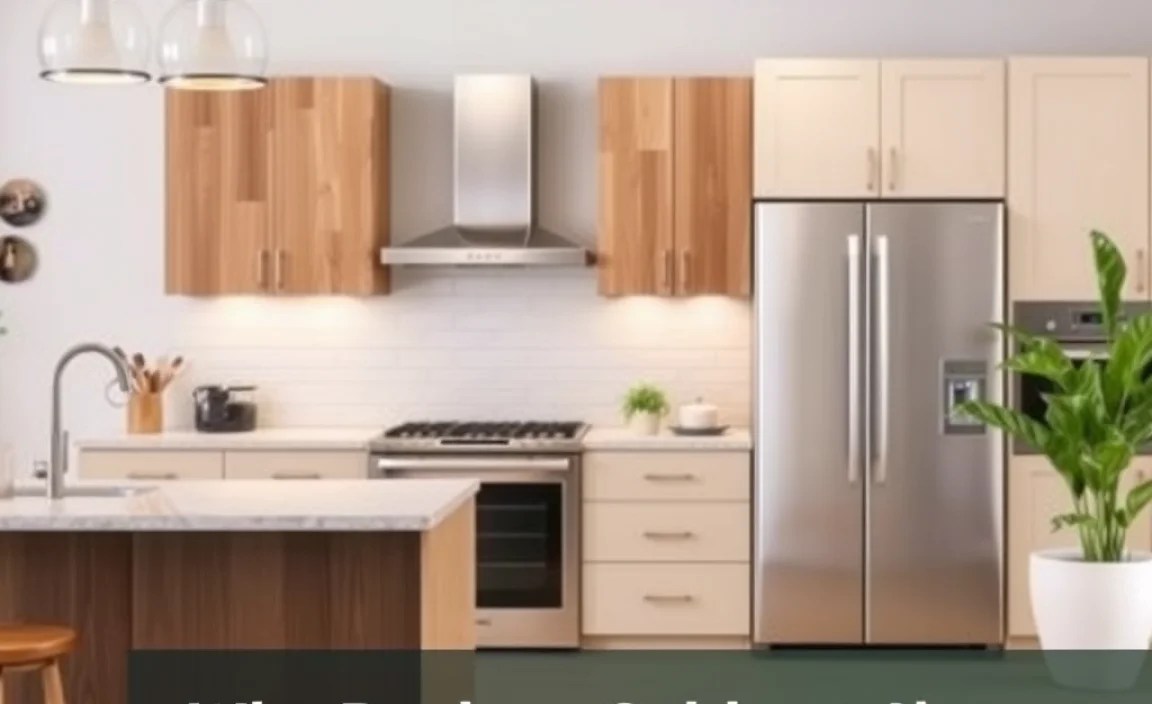
Opting for an affordable cabinet upgrade is a smart move for several reasons:
- Cost Savings: The most obvious benefit is saving money. Full cabinet replacement can cost thousands of dollars. Affordable upgrades offer a fraction of the price.
- Reduced Disruption: Major renovations mean living without your kitchen or bathroom for weeks. Budget-friendly updates are usually quicker and less disruptive.
- Environmental Benefits: Reusing existing cabinet boxes and only updating fronts or hardware is more sustainable than discarding perfectly good structures.
- Customization: You can often achieve a more personalized look with careful selection of affordable upgrades than with a standard, expensive cabinet line.
- Increased Home Value: A refreshed kitchen or bathroom is a major selling point. Even affordable updates can boost your home’s aesthetic appeal and market value.
Understanding the Vocabulary: What “Replacing” Can Mean

When we talk about “replacing cabinets cheap,” it’s important to understand that it doesn’t always mean throwing out the old and buying all new cabinets. Here’s a quick breakdown of what it can encompass:
- Refacing: This involves keeping your existing cabinet boxes but replacing the visible doors and drawer fronts with new ones. Sometimes, a thin veneer is applied to the exposed box sides.
- Refinishing/Repainting: Using paint or stain to completely change the color and finish of your existing doors, drawer fronts, and cabinet boxes. This is often the most budget-friendly option.
- Hardware Update: Simply changing out the knobs, pulls, and hinges can make a surprising difference in the overall look.
- DIY Cabinet Fronts: Building or purchasing new, unfinished cabinet doors and drawer fronts to fit your existing cabinet boxes.
Proven Strategies to Replace Cabinets Cheap

Let’s get to the good stuff! Here are the most effective ways to achieve that cabinet transformation on a budget.
1. The Power of Paint (and Primer!)
This is, hands down, the most budget-friendly and impactful way to update your cabinets. A fresh coat of paint can completely change the feel of your kitchen or bathroom. It’s a project that’s very achievable for beginners.
Materials You’ll Need:
- Screwdriver: To remove doors and hardware.
- Degreaser: For thorough cleaning.
- Sanding Block or Pole Sander: With fine-grit sandpaper (120-220 grit).
- Painter’s Tape: To protect surrounding areas.
- Drop Cloths: To protect your floors.
- High-Quality Primer: Specifically designed for cabinets or slick surfaces (e.g., Zinsser B-I-N, Sherwin-Williams Extreme Bond).
- High-Quality Paint: Cabinet-specific paints (like Benjamin Moore Advance, Sherwin-Williams Emerald Urethane) or a good quality latex enamel with a durable finish.
- Applicators: High-density foam rollers (for smooth surfaces) and a quality angled paintbrush for edges and details.
- Optional: Paint Sprayer: For a smoother, factory-like finish (requires ventilation and practice).
Step-by-Step Painting Guide:
- Remove Doors and Drawers: Carefully label each door and drawer so you know exactly where it goes. Remove all hardware.
- Clean Thoroughly: Use a degreaser to remove any grease, grime, or food splatters. This step is crucial for paint adhesion. A reputable source like This Old House offers excellent advice on proper cleaning techniques.
- Sand Surfaces: Lightly sand all surfaces to be painted. This creates a ‘tooth’ for the primer and paint to adhere to. You don’t need to remove old finishes, just scuff them up. Wipe away all dust with a tack cloth or damp microfiber cloth.
- Tape Off Areas: Use painter’s tape to mask off any areas you don’t want painted, like the inside of the cabinet boxes or countertops.
- Apply Primer: Apply one or two thin, even coats of primer. Let each coat dry completely according to the manufacturer’s instructions. Primer seals the wood and provides a uniform base for the paint.
- Paint the Cabinets: Apply your chosen paint in thin, even coats. Use a foam roller for the large, flat areas and a brush for details and edges. If spraying, follow the sprayer’s instructions carefully and ensure good ventilation.
- Multiple Coats: Most projects will require at least two, and sometimes three, thin coats of paint for full coverage and durability. Allow adequate drying time between coats as recommended by the paint manufacturer.
- Reattach Hardware and Doors: Once the paint is fully cured (this can take several days to a week for maximum hardness, even if dry to the touch), reattach the hardware and carefully rehang the doors and drawer fronts.
Pros of Painting:
- Extremely budget-friendly.
- Huge impact on aesthetics.
- DIY friendly for beginners.
- Wide range of color choices.
Cons of Painting:
- Time-consuming (drying times).
- Requires thorough prep work for best results.
- Durability depends heavily on prep and paint quality.
2. Hardware Refresh: The Small Change, Big Impact
Don’t underestimate the power of new hardware! Shabby knobs and pulls can date your cabinets instantly. Swapping them out for modern, stylish options can provide a significant visual upgrade for minimal cost and effort.
What to Look For:
- Style: Consider modern, contemporary, rustic, traditional – whatever suits your home’s decor.
- Finish: Brushed nickel, matte black, brass, chrome, and oil-rubbed bronze are popular choices.
- Size and Spacing: Measure the distance between screw holes on existing pulls to ensure compatibility. Doors/drawers with a single screw hole will need knobs or specific single-hole pulls.
- Bulk Buys: You can often find great deals on hardware sets when purchased in larger quantities online or from home improvement stores.
Installation:
This is the easiest upgrade. Simply unscrew the old hardware and screw in the new. If you’re changing the hole spacing, you might need to fill old holes and drill new ones, but this is still a relatively simple task.
Pros of Hardware Update:
- Very quick and easy.
- Relatively inexpensive.
- Instant visual improvement.
Cons of Hardware Update:
- Limited impact if cabinets themselves are in poor condition.
- Can be costly if you choose high-end hardware for many cabinets.
3. Refacing: New Faces for Old Boxes
Cabinet refacing involves replacing only the cabinet doors and drawer fronts, and often applying a matching veneer to the exposed cabinet box frames. It’s a step up from painting and hardware alone, offering a more complete transformation.
When to Consider Refacing:
- Your existing cabinet boxes are sturdy and in good condition.
- You want a completely new look with different door styles.
- You’re willing to invest a bit more than just paint and hardware.
DIY vs. Professional Refacing:
While professional refacing services exist, you can achieve this DIY by:
- Purchasing new doors and drawer fronts: Many online retailers and local woodworking shops sell custom or standard-sized cabinet doors and drawer fronts. You can order them unfinished to paint or stain yourself, or pre-finished.
- Veneering the cabinet boxes: You can buy self-adhesive wood veneer sheets to cover the visible sides and fronts of your cabinet boxes. This requires careful application to avoid bubbles and ensure a smooth finish.
Materials for DIY Refacing:
- New cabinet doors and drawer fronts (measure your existing ones precisely).
- Self-adhesive wood veneer sheets.
- Utility knife or sharp craft knife.
- Squeegee or firm plastic scraper.
- Optional: Wood filler, sandpaper, primer, paint/stain.
Steps for DIY Refacing:
- Measure and Order: Accurately measure all your existing cabinet doors and drawer fronts. Order new ones to match these dimensions. Specify the hinge type and door boring if needed.
- Prepare Existing Boxes: Clean, sand, and prime the exposed cabinet box frames if they need refreshing.
- Apply Veneer: Cut veneer sheets slightly larger than the area you need to cover. Peel back a small portion of the adhesive backing and carefully align the veneer. Use a squeegee to smooth it down as you peel away the backing, ensuring no air bubbles. Trim excess veneer with a sharp knife.
- Install New Doors/Drawers: Attach new hinges to the doors and cabinet boxes, then hang the doors. Install drawer slides and attach the new drawer fronts.
- Install New Hardware: Add your chosen knobs or pulls.
Cost Comparison: Refacing vs. New Cabinets
Refacing is typically about 40-60% of the cost of completely replacing cabinets. Buying DIY doors and veneer will be at the lower end of that spectrum, while professional refacing services will be at the higher end.
| Item | Typical Cost Range (for a standard kitchen) | DIY Possibility |
|---|---|---|
| Full New Cabinet Installation | $10,000 – $30,000+ | Very Difficult/Impractical for most |
| Professional Cabinet Refacing | $5,000 – $15,000 | Possible, but time-consuming |
| DIY Refacing (New Doors + Veneer) | $1,500 – $5,000 | High |
| DIY Painting & Hardware | $200 – $800 | High |
Pros of Refacing:
- Gives a completely new cabinet look.
- Preserves existing cabinet box structure.
- Cheaper and less disruptive than full replacement.
Cons of Refacing:
- More expensive than painting.
- Requires precise measurements for doors and veneer.
- Veneer application can be tricky.
4. Open Shelving: Embrace the Airiness
Removing some upper cabinet doors and converting those spaces into open shelving can dramatically change the feel of your kitchen. It can make the space feel larger, more modern, and showcase your dishware.
How to Do It:
- Select Cabinets: Choose a few upper cabinets that are good candidates for shelving. Avoid cabinets above the stove or sink unless you can easily access them.
- Remove Doors: Carefully remove the doors, hinges, and any face frames attached to them.
- Clean and Finish: Clean and, if desired, paint or stain the interior of the cabinet box.
- Install Shelves: You can use existing shelves if they are in good condition, or purchase new wood planks (pine, oak, or even reclaimed wood for a farmhouse look). Cut them to size and install shelf pins or use strong adhesive/brackets to secure them.
- Add Brackets (Optional): For a more robust look or to extend shelves beyond the cabinet walls, add decorative shelf brackets.
Cost Considerations:
The cost here can range from very low (if you reuse existing shelves and just do a quick clean/paint) to moderate (if you buy new wood and decorative brackets). For a few shelves, you can often stay under $100-$200.
Pros of Open Shelving:
- Makes space feel larger and more open.
- Showcases decorative items.
- Modern aesthetic.
- Less costly than replacing all doors.
Cons of Open Shelving:
- Requires items to be kept tidy and dust-free.
- Limited storage compared to closed cabinets.
- Requires careful planning for aesthetics.
5. Professional Help for Specific Tasks
Even when trying to replace cabinets cheap, there are some tasks where a little professional help can save you time and frustration, leading to a better result that costs less in the long run than fixing mistakes.
- Spray Finishing: If you want a super-smooth, factory-like finish and don’t have access to a spray gun or the space/setup to use one safely, a professional spray shop can finish your doors and drawer fronts for a reasonable fee. This is often much cheaper than buying pre-finished doors but results in a superior finish compared to DIY brushing/rolling for many.
- Custom Door Fabrication: If you have specific, unusual cabinet sizes or styles in mind, a local cabinet maker or mill can fabricate custom doors for you. While more expensive than off-the-shelf options, it can still be more affordable than a full custom cabinet build. Look for options in less expensive wood species like poplar or pine, or even MDF for painted finishes.
Table: DIY Budget vs. Professional Upgrade Costs

This table gives a rough idea of what to expect for different levels of cabinet upgrades. Remember that prices vary significantly by location, material choice, and the size of your kitchen/bathroom.
| Upgrade Method | Estimated DIY Cost (Small to Medium Kitchen) | Estimated Professional Cost (Small to Medium Kitchen) | Time Commitment (DIY) | Skill Level Required (DIY) |
|---|---|---|---|---|
| Painting Cabinets | $200 – $800 | $2,000 – $5,000 | Weekend to a few weeks, depending on coats/drying | Beginner to Intermediate |
| New Hardware | $50 – $300+ | $200 – $700+ (including installation) | A few hours | Beginner |
| DIY Refacing (New Doors + Veneer) | $1,000 – $4,000 | $5,000 – $15,000 (professional refacing) | One to two weeks | Intermediate |
| Open Shelving Conversion (Partial) | $50 – $300 | $500 – $1,500 (if professional install) | One to two days | Beginner to Intermediate |
Tips for Success When You Replace Cabinet Cheap
No matter which method you choose, a few general tips will help ensure your project is a success:
- Plan and Measure Precisely: This is non-negotiable. Measure twice, cut once. For doors and drawer fronts, double.
