
To successfully replace your faucet, you’ll need a few essential tools like an adjustable wrench, basin wrench, pliers, a screwdriver set, and plumber’s tape. Gathering these proven tools beforehand makes the process smooth, safe, and efficient, even for beginners.
Dealing with a leaky or outdated faucet can be a real headache. Dripping water wastes resources and can quietly increase your utility bills. Or maybe you’re just ready for a stylish upgrade to give your kitchen or bathroom a fresh new look. Whatever your reason, replacing a faucet might seem daunting, especially if you’re new to DIY home repairs. The good news is, with the right tools and a clear guide, this project is completely manageable. You’ll feel a sense of accomplishment and save money by handling it yourself. Let’s dive into the world of faucet replacement and get you equipped with the knowledge of the essential tools you’ll need.
Why Having the Right Tools Matters When Replacing a Faucet

Imagine starting a job and realizing you’re missing a crucial tool. It’s frustrating, right? For faucet replacement, having the correct tools isn’t just about convenience; it’s about efficiency, safety, and ensuring a professional-looking finish. The right tools make stubborn connections easier to loosen, prevent damage to your new faucet and surrounding surfaces, and help you work more comfortably and safely. Using makeshift solutions can often lead to stripped nuts, scratched countertops, or even leaks down the line. We’ll guide you through the tried-and-true tools that will make this project a success.
Essential Tools for Faucet Replacement: Your Go-To List

Don’t let a pile of unfamiliar gadgets intimidate you. Most of the tools you’ll need are common household items. If you don’t have them, they are readily available at any hardware store and will be useful for many other home projects. We’ve compiled a list of the must-haves to ensure you’re prepared for every step of the faucet replacement process.
1. Adjustable Wrench (or Monkey Wrench)
This is your workhorse. An adjustable wrench has jaws that can be widened or narrowed to fit various nut and bolt sizes. It’s indispensable for tightening or loosening large supply line nuts and mounting hardware. For faucet work, having one in the 8-inch to 10-inch range is usually perfect.
- Why you need it: Versatile for different nut and bolt sizes found under the sink.
- Key function: Gripping and turning hexagonal nuts and bolts.
- Tip: Ensure the adjustable jaw is snug before applying force to prevent slipping, which can round off nuts.
2. Basin Wrench
This is a specialized tool that’s a lifesaver for reaching nuts in tight, awkward spaces, especially those that mount the faucet to the sink or countertop. Its telescoping shaft and swiveling jaw head can access fasteners that a regular wrench can’t touch. It looks a bit unusual, but trust us, it’s a game-changer.
- Why you need it: Reaches faucet mounting nuts in very confined areas behind the sink.
- Key function: Gripping and turning faucet mounting nuts from an awkward angle.
- Pro Tip: This tool is often critical for removing old, corroded nuts that are hard to budge.
You can learn more about specialized plumbing tools like the basin wrench and their applications on resources like The Family Handyman. They offer practical insights for DIYers.
3. Pipe Wrench
While an adjustable wrench is great for many tasks, a pipe wrench offers superior grip on pipes and fittings, especially if they are larger or slightly irregular. It has serrated jaws that bite into the material, providing a strong hold. You might need this for disconnecting older, larger water supply pipes if they are threaded directly into the wall.
- Why you need it: Provides a very strong grip on pipe fittings, useful for stubborn or larger threaded connections.
- Key function: Turning large pipes and fittings.
- Safety Note: Use pipe wrenches carefully, as their aggressive grip can damage softer materials or fittings if too much force is applied.
4. Pliers (Channel-lock or Tongue-and-Groove Pliers)
Similar to adjustable wrenches but often with a wider jaw opening, channel-lock pliers are excellent for gripping and turning larger nuts, sink strainers, or awkwardly shaped plumbing components. They offer a secure grip and leverage.
- Why you need it: Gripping and holding various plumbing parts, especially those with irregular shapes or when extra leverage is needed.
- Key function: Adjusts to fit various sizes for gripping, turning, and holding.
- When to use: Ideal for holding a shut-off valve in place while loosening or tightening a supply line.
5. Screwdriver Set (Phillips and Flathead)
You’ll likely encounter screws on the faucet itself, particularly if it has decorative caps or handles that need to be removed. Having a set with various sizes of both Phillips (crosshead) and flathead screwdrivers ensures you have the right fit for any screw you come across.
- Why you need it: For removing decorative caps, handle screws, or other small fasteners on the faucet.
- Key function: Driving or removing screws.
- What to look for: Ensure you have a range of sizes, as screw heads can vary. Magnetic tips are a nice bonus for holding screws securely.
6. Plumber’s Tape (Thread Seal Tape or Teflon Tape)
This white, waxy tape is crucial for creating a watertight seal on threaded pipe connections. When you’re connecting new water supply lines to shut-off valves or the faucet, wrapping the threads with plumber’s tape prevents leaks. It fills any small gaps between the threads.
- Why you need it: Creates a watertight seal on threaded pipe connections.
- Key function: Fills gaps in threads to prevent leaks.
- How to use: Wrap the tape clockwise around the male threads 2-3 times for an effective seal.
The U.S. Environmental Protection Agency (EPA) WaterSense program highlights the importance of fixing leaks to conserve water, and using the right materials like plumber’s tape is part of that effort.
7. Bucket or Towels
When you disconnect water lines, some residual water will drain out. A small bucket placed directly underneath the connections will catch this water, preventing a mess on your cabinet floor. Old towels are also great for wiping away any drips and for keeping your workspace clean and dry.
- Why you need it: To catch residual water and keep your workspace clean and dry.
- Key function: Containment of water and spills.
- Tip: Have a few on hand; they’re surprisingly useful throughout the process.
8. Safety Glasses
Even in a seemingly simple task like replacing a faucet, there’s always a risk of debris falling or water splashing into your eyes. Safety glasses are a non-negotiable tool for protecting your vision. It’s a small step that offers significant safety benefits.
- Why you need it: Protects your eyes from falling debris, rust, or splashing water.
- Key function: Eye protection.
- Choose wisely: Opt for comfortable, wrap-around styles for better protection.
9. Utility Knife or Putty Knife
Sometimes, old caulk or sealant can create a stubborn bond between the old faucet and the sink or countertop. A utility knife or a putty knife can carefully cut through this old sealant, making it easier to lift and remove the old faucet without damaging the surface you’re working on.
- Why you need it: To cut through old caulk or sealant that adheres the faucet to the sink or countertop.
- Key function: Scraping and cutting old adhesive.
- Careful use: Use gently to avoid scratching delicate surfaces like porcelain or granite.
10. Flashlight or Headlamp
Under the sink, it’s often dark. A good light source is essential to see what you’re doing. A flashlight is good, but a headlamp is even better as it keeps your hands free to work on those tricky nuts and connections.
- Why you need it: Provides necessary light in dark, confined spaces under the sink.
- Key function: Illumination.
- Hands-free is best: A headlamp allows for better dexterity and focus on the task.
Optional but Highly Recommended Tools
While the above list covers the essentials, a few extra tools can make the job go even more smoothly. These aren’t strictly necessary but can save you time and effort.
Penetrating Oil
If you’re dealing with an older faucet, the metal parts might be corroded and difficult to detach. A spray of penetrating oil (like WD-40 or PB Blaster) on stubborn nuts and connections can work wonders in loosening them up. Let it sit for a bit before trying to unscrew anything.
- Why it’s helpful: Loosens corroded or stuck nuts and fittings.
- When to use: Apply to stubborn connections before attempting to unscrew them.
- How long: Allow 10-15 minutes, or longer for heavily rusted parts.
Adjustable Strap Wrench
For faucets with delicate finishes, a strap wrench can be a great alternative to metal-jawed tools. It uses a rubber or fabric strap to grip, preventing scratches or damage to chrome, brushed nickel, or other sensitive surfaces.
Bucket-Style Sink Wrench
This is a specialized tool that’s a variation of the basin wrench, designed specifically for those very awkward faucet mounting nuts. It often has a head that can rotate 180 degrees and a T-handle for better leverage. If you anticipate tight spaces, this could be a worthwhile addition.
Preparing for the Replacement: Step-by-Step Tool Guide
Before you even think about removing the old faucet, gather all your tools. Lay them out where you can easily reach them. This preparation phase is key to a smooth DIY experience. Let’s walk through how you’ll use these tools during the replacement process.
Step 1: Turn Off the Water Supply
This is the most critical safety step. You’ll find shut-off valves (usually oval or round handles) directly under the sink. Turn them clockwise until they stop. If you don’t have individual shut-off valves under the sink, you’ll need to turn off the main water supply to your house. Open the old faucet to drain any remaining water and relieve pressure.
- Tools needed: Hands (for most valves), possibly pliers if valves are stiff.
Step 2: Disconnect the Water Supply Lines
With the water off, place your bucket beneath the connections. Use your adjustable wrench or pliers to loosen the nuts connecting the flexible water supply lines to the shut-off valves. Then, disconnect the other end of the lines from the faucet tailpieces. You might need the basin wrench for access behind the faucet.
- Tools needed: Adjustable wrench, pliers, basin wrench, bucket, towels.
- Action: Turn nuts counter-clockwise to loosen.
Step 3: Remove the Old Faucet
This is where the basin wrench often shines. Look for the mounting nuts that secure the faucet to the sink or countertop from underneath. These can be anywhere from one to three nuts. Use your basin wrench or adjustable wrench to loosen and remove them. If the faucet is also sealed with caulk, use your utility knife or putty knife to carefully break the seal.
- Tools needed: Basin wrench, adjustable wrench, utility knife/putty knife.
- Tip: If nuts are very tight, apply penetrating oil and wait a few minutes.
Step 4: Clean the Sink Surface
Once the old faucet is out, you’ll likely see built-up grime, mineral deposits, or old caulk around the faucet holes. Use your utility knife or putty knife to gently scrape away any residue. A clean, smooth surface is essential for a good seal with your new faucet. This is also a great time to give the whole area under the sink a good wipe-down and clean.
- Tools needed: Utility knife/putty knife, cleaner, towels.
Step 5: Install the New Faucet
Follow the manufacturer’s instructions for your new faucet carefully. This usually involves inserting the faucet through the holes in the sink, then securing it from underneath with mounting hardware. Use your basin wrench or adjustable wrench to tighten the mounting nuts. Make sure the faucet is aligned correctly before fully tightening.
- Tools needed: Basin wrench, adjustable wrench, manufacturer’s instructions.
- Important: Don’t overtighten, which can crack the sink or damage the faucet.
Step 6: Connect the New Water Supply Lines
Attach the new flexible water supply lines to the faucet tailpieces. Then, connect the other ends to the shut-off valves. Hand-tighten first, then use your adjustable wrench to snug them up an additional quarter to half turn. Wrap the threads of the shut-off valve connections with plumber’s tape before attaching the supply lines for a secure, leak-free seal.
- Tools needed: Adjustable wrench, plumber’s tape.
- Note: Ensure you use the correct type of supply line (e.g., stainless steel braided is highly recommended for durability).
Step 7: Turn the Water Back On and Test for Leaks
Slowly turn the shut-off valves back on (counter-clockwise). Turn them on fully. Then, turn the faucet on to a gentle flow. Check all connections you touched – at the shut-off valves and at the faucet tailpieces – for any drips or leaks. Use a dry paper towel to wipe around the connections; even a small drop of water will be visible on the towel.
- Tools needed: Hands, flashlight, dry paper towel.
- Action: Turn valves counter-clockwise to open fully.
- What to do if there’s a leak: Turn off the water, and gently tighten the connection by about an eighth of a turn, then test again. If it persists, you may need to re-apply plumber’s tape.
Understanding Faucet Components and Tools
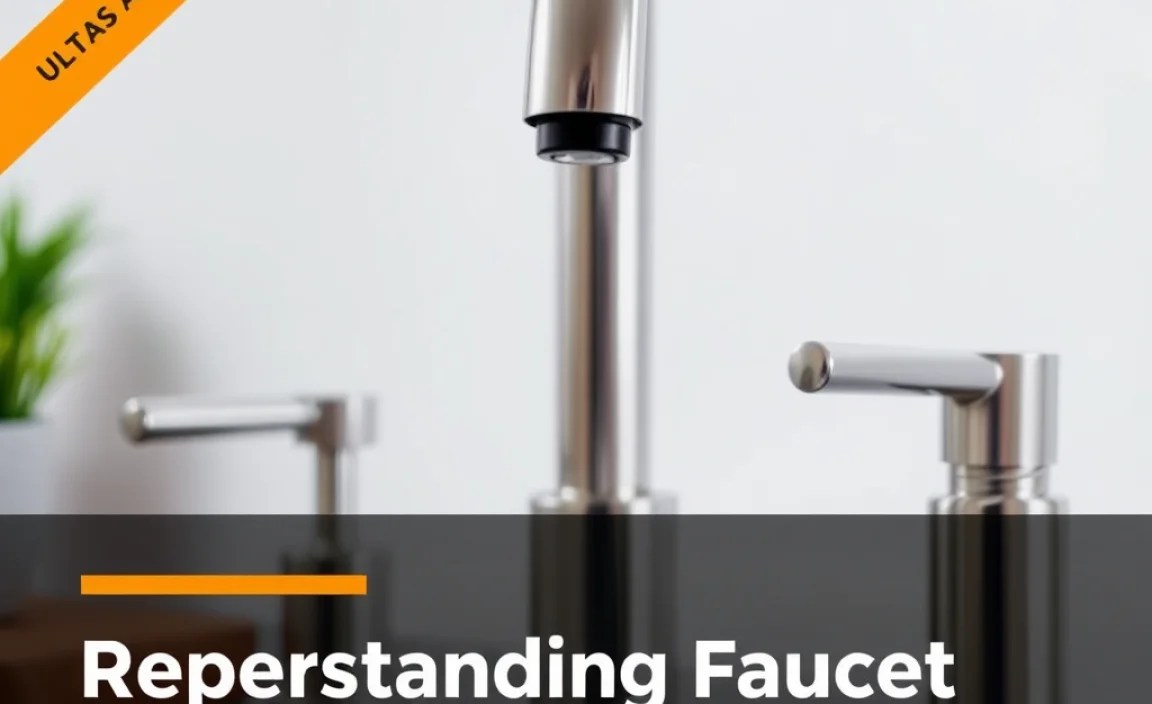
To feel more confident, it helps to understand a few basic terms. When you’re under the sink, you’ll encounter:
- Faucet Body: The main part of the faucet that houses the internal mechanisms and has the spout.
- Faucet Tailpieces: The threaded stems extending from the faucet body that the water supply lines connect to.
- Mounting Nuts: These secure the faucet to the sink or countertop, typically located on these tailpieces from underneath.
- Shank: The part of the tailpiece that extends through the sink or countertop.
- Shut-off Valves: Located on the wall or floor where the water pipes are, these control the flow of hot and cold water to the faucet.
- Water Supply Lines: Flexible hoses (often braided stainless steel) that connect the shut-off valves to the faucet tailpieces.
Knowing these parts helps you understand why you need certain tools. For instance, the basin wrench is specifically designed to grip those mounting nuts on the faucet tailpieces, which are in a very awkward position.
A Comparison of Common Faucet Replacement Scenarios and Tools
Different types of faucets might require slightly different approaches or emphasize the need for certain tools. Here’s a quick look:
| Faucet Type/Scenario | Key Tools Emphasized | Why |
|---|---|---|
| Standard Kitchen Faucet (Newer Installation) | Adjustable Wrench, Basin Wrench, Screwdriver Set, Plumber’s Tape | Easier access, standard connections. Basin wrench is key for mounting nuts. |
| Older Bathroom Faucet with Corrosion | Penetrating Oil, Pipe Wrench, Basin Wrench, Adjustable Wrench | Corrosion makes parts stick. Penetrating oil and pipe wrench are vital for loosening old connections. |
| Faucet with Decorative Finish (e.g., Black, Brass) | Adjustable Strap Wrench, Pliers (with padding), Careful Use of Wrenches | Protecting delicate finishes from scratches. Strap wrench provides grip without damage. |
| Faucet Mounted on a Thick Countertop/Sink Deck | Basin Wrench (longer reach), Bucket-Style Sink Wrench | Extra-long shanks and mounting hardware can be difficult to reach and turn. |
