
Quick Summary: Understanding sink parts and their functions is key to efficient plumbing, troubleshooting leaks, and performing simple maintenance. This guide breaks down each component, from the faucet to the drain, making sink upkeep easy for any homeowner.
Ever had a little drip turn into a big problem? Or maybe you’ve stared at your sink’s inner workings, wondering what does what? It’s a common frustration! Identifying the different parts of your sink and understanding their jobs is the first step to solving those pesky plumbing puzzles. Don’t worry, it’s not as complicated as it sounds. We’ll walk through each piece, making sink maintenance feel like a breeze. Get ready to gain confidence and master your home’s essential fixtures!
Your Sink’s Anatomy: A Homeowner’s Essential Guide

Let’s face it, the sink is one of the most used fixtures in our homes. From morning coffee to evening dishes, it works hard for us. When something goes wrong, even a small issue, it can disrupt our daily lives. Knowing the names and functions of the various sink parts is incredibly helpful. It empowers you to diagnose problems, communicate effectively with a plumber if needed, and even tackle some DIY fixes yourself. This guide will demystify your sink, breaking down each component into simple, understandable terms.
We’ll cover everything from the shiny bits you see every day to the hidden mechanisms that keep water flowing and draining. Think of this as your personal sink anatomy lesson, designed for homeowners who want to feel more in control of their home maintenance. By the end, you’ll confidently identify and understand what each part of your sink does.
The Marvelous Faucet: More Than Just a Spout

The faucet is the star of the show, the most visible part of your sink assembly. Its primary job is to control the flow of water. But it’s a sophisticated piece of engineering with several components working together seamlessly.
Key Faucet Components and Their Roles
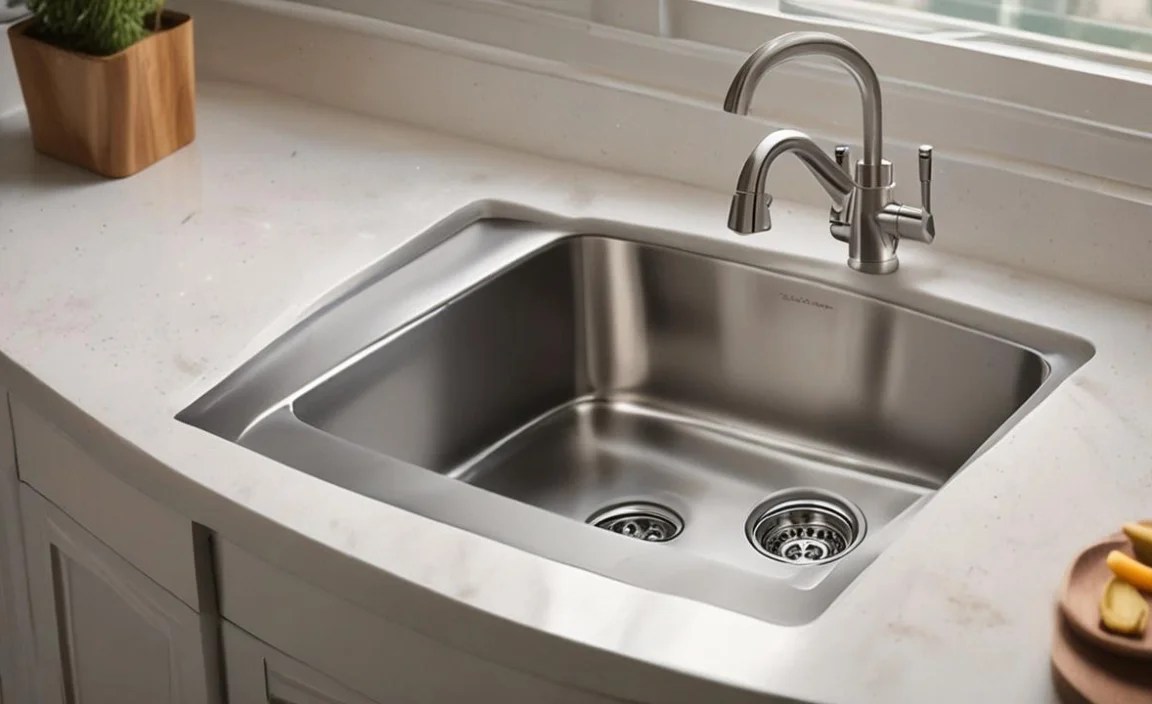
Understanding the faucet starts with its main parts. Each plays a vital role in delivering water and adjusting its temperature and pressure.
- Spout: This is what you see and use! It’s the channel through which the water exits the faucet, directed into the sink basin. Spouts come in various styles, like gooseneck (high and curved) or swivel (able to turn).
- Handle(s): These are used to turn the water on and off and adjust its temperature and flow. Sinks can have one handle (mixing hot and cold water internally) or two handles (one for hot, one for cold).
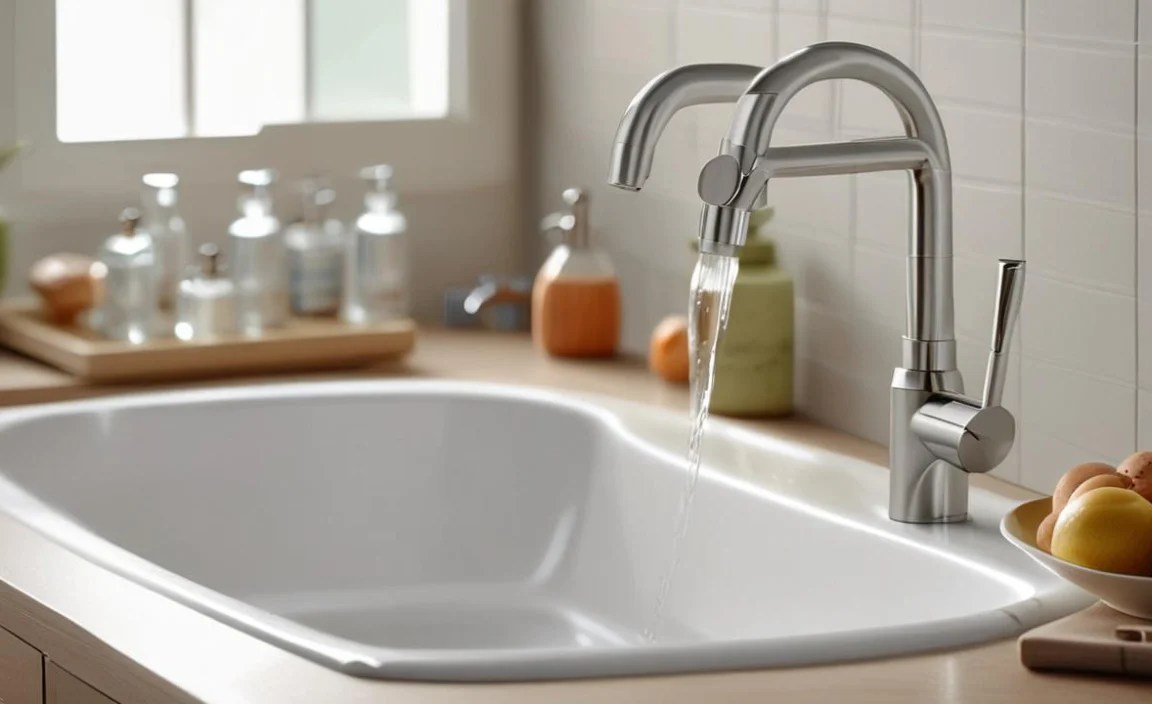
- Aerator: Located at the very tip of the spout, this small, often overlooked part is crucial. It’s a screen that mixes air with water as it flows out. This reduces splashing, conserves water by increasing perceived pressure, and creates a smoother stream. You can usually unscrew it for cleaning if your water flow becomes weak or erratic.
- Cartridge/Valve: This is the brain of the faucet, hidden inside the faucet body beneath the handles. It regulates the water flow and temperature. Older faucets might use compression valves (with rubber washers), while modern ones typically use ceramic disc cartridges or ball valves. When your faucet drips, this is often the part that needs attention.
- Escutcheon: This is the decorative plate or skirt that fits between the faucet handles/base and the sink deck or wall. It covers the mounting holes and protects the surrounding surface from water.
- Base/Mounting Hardware: These are the nuts and bolts that secure the faucet firmly to the sink or countertop. A stable faucet ensures a good seal and prevents leaks at the connection points.
The Plumbing Powerhouse: Under the Sink

The real magic, and often the source of leaks or clogs, happens out of sight, beneath the sink basin. This area is a network of pipes and components working together to get water in and out efficiently and safely.
The Drain Assembly: Guiding Water Away
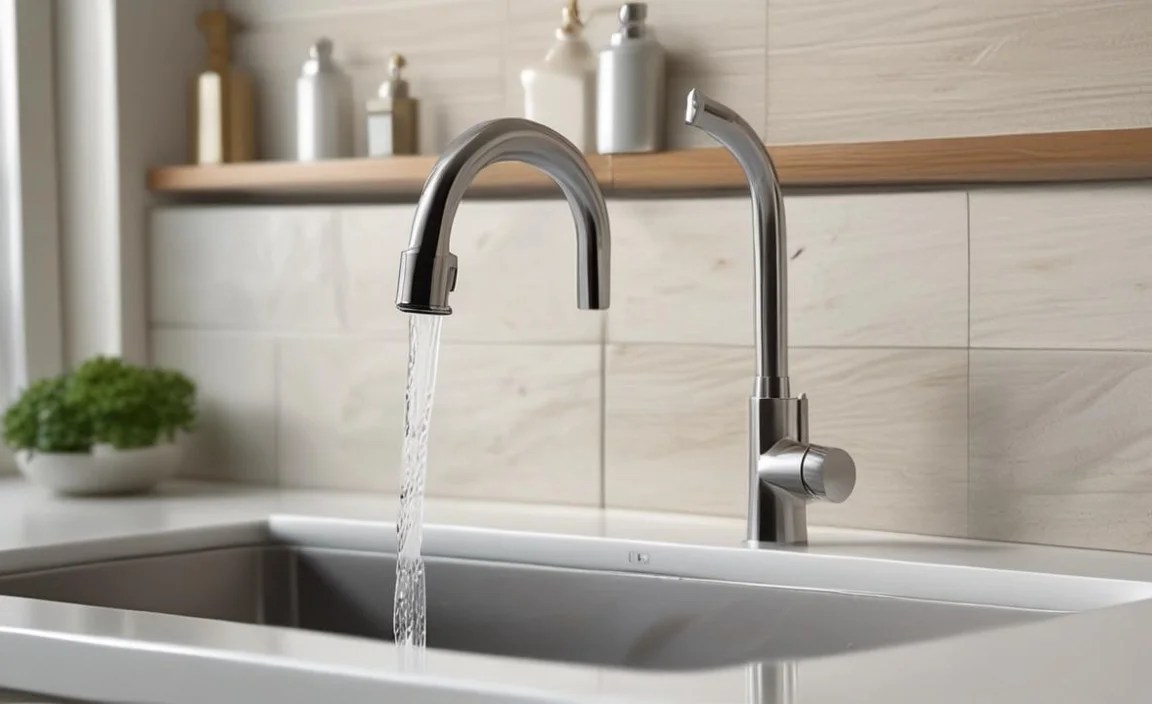
The drain assembly is responsible for safely carrying wastewater away from your sink and into your home’s plumbing system. It’s a critical component for both functionality and hygiene.
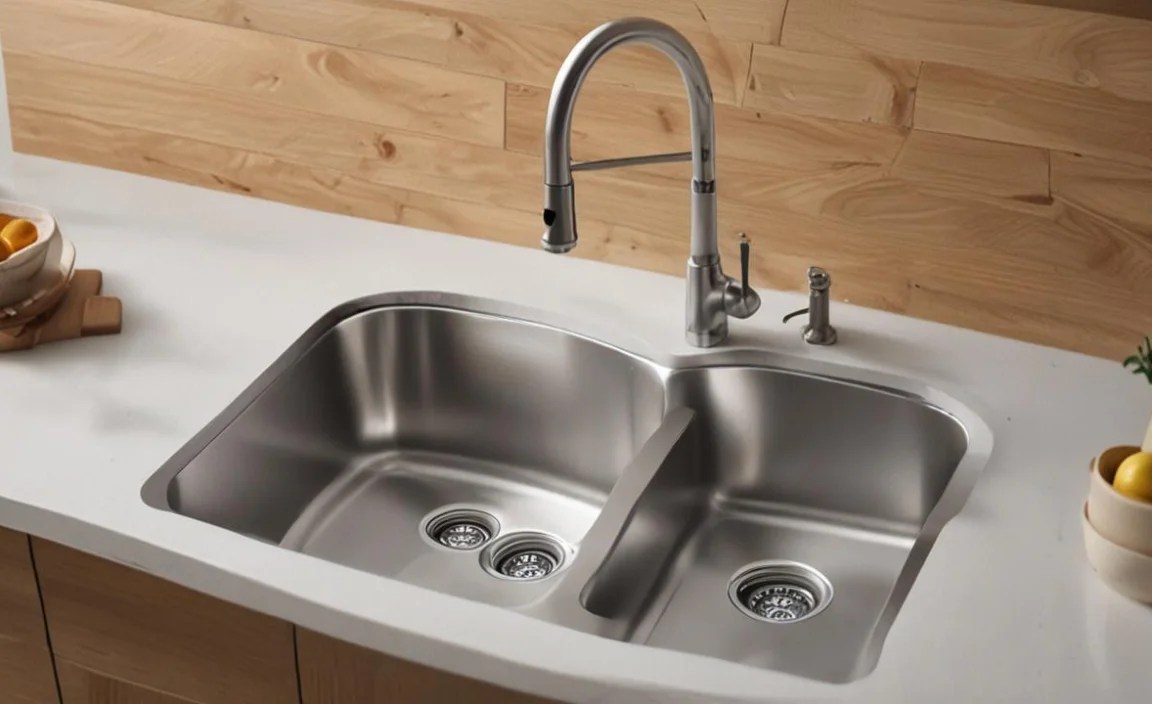
- Sink Strainer/Basket Strainer: This is the removable metal basket or perforated piece that sits in the drain opening of the sink. Its main job is to catch food particles and debris, preventing them from entering the pipes and causing clogs. Many also have a rubber seal to create a watertight connection.
- Drain Flange: This is the metal ring that the strainer or stopper sits inside. It’s usually screwed or held onto the sink from underneath, connecting the sink basin to the rest of the drain pipe system. It provides a finished look around the drain opening.
- Tailpiece: This is the vertical pipe section that extends down from the drain flange. It’s usually a straight pipe, but can sometimes be a slip-joint connection allowing for adjustments.
- P-Trap: This U-shaped bend in the drainpipe is one of the most important, yet often overlooked, parts of your plumbing. The P-trap is designed to always hold a small amount of water. This water acts as a seal, preventing sewer gases from rising through the drain and entering your home, which can cause unpleasant odors and are a health hazard. You can learn more about common plumbing traps and their importance from resources like the U.S. Environmental Protection Agency (EPA), which provides insights into water-saving plumbing.
- Slip Nuts and Washers: These are used to create watertight seals at the various connection points in the drain assembly, particularly where pipes join the P-trap.
The Water Supply Lines: Bringing Fresh Water to the Faucet

These flexible or rigid pipes connect your faucet to your home’s main water supply. Their condition is crucial for preventing leaks.
- Supply Lines: These are typically flexible hoses made of braided stainless steel, rubber, or copper that connect the shut-off valves (under the sink) to the faucet’s inlets. They are designed to withstand water pressure. Over time, these can degrade and leak, making them a common plumbing repair item.
- Shut-off Valves (Angle Stops): Located on the wall or floor behind the sink, these valves control the water flow specifically to the faucet. They are essential for isolating the faucet for repairs or replacements without shutting off water to the entire house. There’s usually one for hot water and one for cold.
The Overflow: A Safety Net for Your Sink
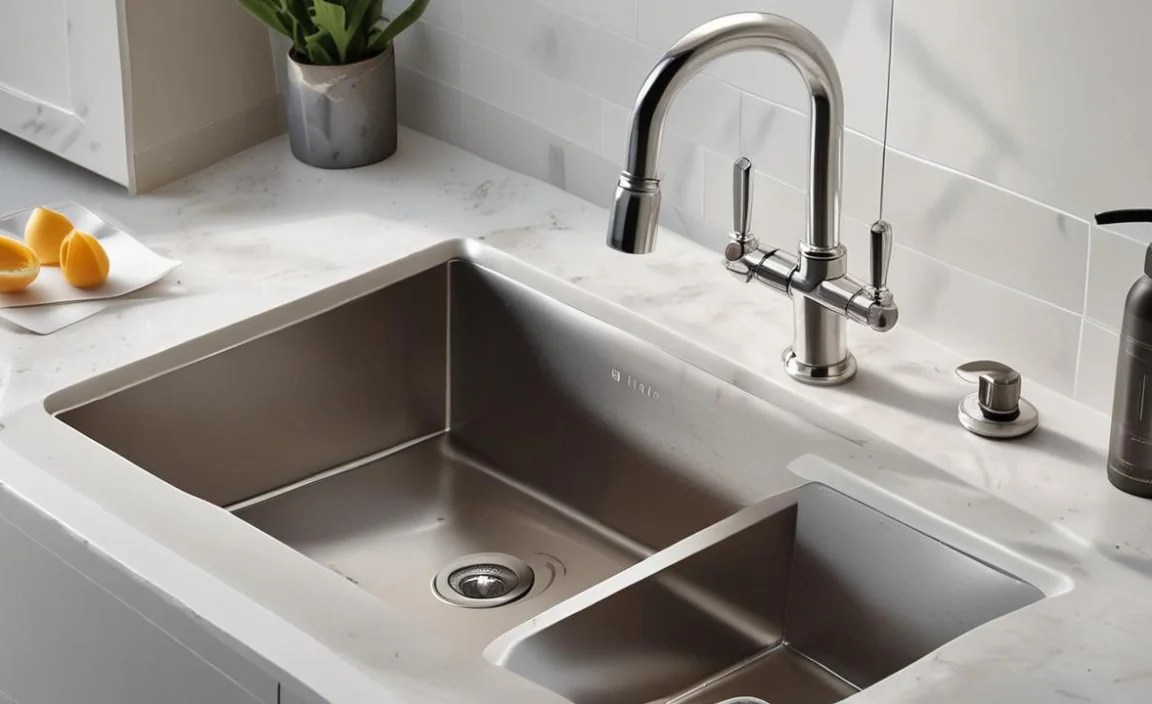
While not always present in modern or some commercial sinks, the overflow is a vital safety feature in many bathroom and kitchen sinks designed to prevent accidental flooding.
- Overflow Opening: This small hole or series of holes is located near the top of the sink basin, just below the rim.
- Overflow Tube: A channel or pipe connected to the overflow opening that runs down the back of the sink and connects into the main drainpipe.
- Function: If the sink is overfilled, water spills into the overflow opening, travels down the tube, and exits through the drainpipe, preventing water from spilling onto your floor. It’s a simple yet effective way to avoid a watery mess.
Sink Materials and Types: A Quick Overview
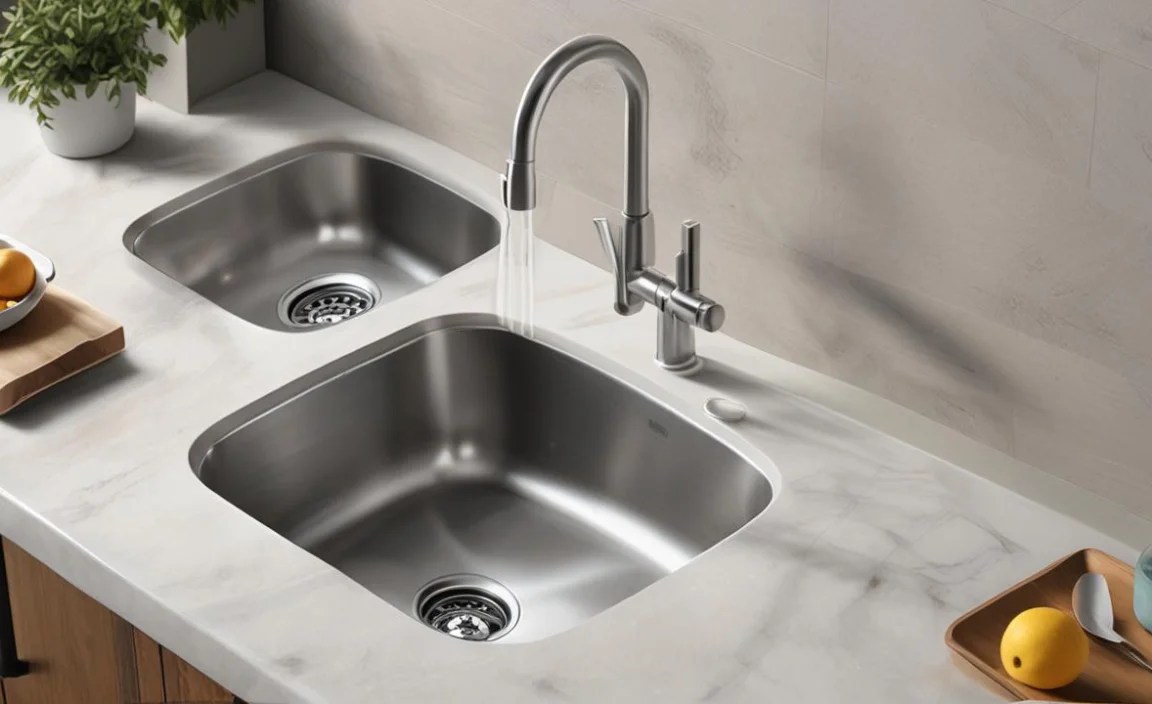
While this guide focuses on the functional parts, it’s worth noting that sinks themselves come in various materials and configurations, which can affect how their parts are integrated. Common materials include:
- Stainless Steel: Durable, affordable, and easy to clean.
- Porcelain/Ceramic: Classic look, elegant, but can chip or crack.
- Granite Composite: Very durable, resistant to stains and scratches, modern aesthetic.
- Solid Surface: Seamless look, non-porous, easy to repair.
Sink types (like top-mount, undermount, pedestal, vessel) also influence how the drain and faucet components are installed and accessed.
Common Sink Problems and Their Corresponding Parts

Now that you know the parts, let’s see how they relate to common sink issues. This section will equip you with the knowledge to quickly assess a problem.
| Problem | Likely Culprit Part(s) | Simple Check/Fix |
|---|---|---|
| Leaky Faucet (Drip, drip, drip!) | Cartridge/Valve, Rubber Washer (in compression faucets), O-Ring | Try tightening the handle. If still dripping, the cartridge or washer likely needs replacement. |
| Leaky Base of Faucet | Escutcheon, Mounting Hardware, Plumber’s Putty/Sealant | Ensure mounting nuts are tight. If persistent, the sealing putty or sealant around the base may have failed and needs to be redone. |
| Slow Drain or Clog | Sink Strainer/Basket Strainer, Tailpiece, P-Trap | Check the basket strainer for debris. The P-trap is the most common clog location; it can be unscrewed (with a bucket underneath!) to clear blockages. |
| Bad Odors from Drain | P-Trap (lack of water seal), Dirty P-Trap | Ensure there’s water in the P-trap. If it’s been dry (e.g., unused guest bathroom), run water. Flush the trap itself if odors persist. |
| Water Leaking Under Sink (at pipe connections) | Slip Nuts, Washers, Tailpiece, P-Trap connections | Check if slip nuts are snug. The rubber washer inside may be worn out or misaligned, needing replacement. |
| Water Splashing Excessively | Aerator | Clean or replace the aerator. A clogged or worn aerator can disrupt the smooth water stream. |
| Sink Overflows (Water on floor!) | Overflow Opening, Overflow Tube | Ensure the overflow opening isn’t blocked with debris. If it is, clear it carefully. The connection of the tube to the drain could also be an issue. This is more common if the P-trap is clogged. |
| Leaking Supply Lines | Supply Lines, Shut-off Valve connection | Check connections at both the valve and the faucet. The line itself or the valve seal might be compromised. Always shut water off at the valve first! |
DIY Maintenance & Repair Tips
Knowing these parts empowers you to do some basic maintenance. Here are a few tips:
- Clean the Aerator: Periodically unscrew the aerator at the spout tip. Rinse out any debris and sediment. This can improve water flow and pressure.
- Regularly Clean the Basket Strainer: This is your first line of defense against clogs. Remove and empty the basket frequently, especially after washing greasy or food-laden dishes.
- Check for Leaks Visually: Regularly look under your sink. Are there any drips or damp spots? Catching small leaks early can prevent costly water damage and mold growth. You can even use a dry paper towel to wipe down connections; it will show even tiny beads of moisture.
- Test Shut-off Valves: If you have an older home, it’s a good idea to occasionally (once a year) gently turn the shut-off valves for your sink off and then on again. This helps ensure they aren’t seized up should you need them in an emergency. (Be gentle, old valves can be brittle!).
When to Call a Professional
While this guide aims to empower you, some tasks are best left to the pros:
- Significant pipe repairs or replacements.
- Persistent clogs that won’t clear with simple methods.
- Issues requiring soldering or complex pipe fitting.
- If you’re uncomfortable with any part of the repair process.
A reputable plumber can quickly diagnose and fix issues, ensuring your plumbing system is safe and up to code. Resources like consumer plumbing information often highlight the importance of professional advice for safety and compliance.
FAQ: Your Sink Part Questions Answered
Here are answers to some common questions beginners have about sink parts and their functions.
Q1: What is the most common reason a faucet drips?

A1: The most common reason for a dripping faucet is a worn-out or damaged cartridge (in modern faucets) or a worn-out rubber washer or O-ring (in older compression faucets). These internal components control the water flow, and when they degrade, they can allow water to seep through even when the faucet is turned off.
Q2: What does the U-shaped pipe under my sink do?
A2: That U-shaped pipe is called a P-trap. Its primary function is to hold a small amount of water, creating a seal that prevents unpleasant and potentially harmful sewer gases from rising up through the drain and into your home.
Q3: My sink is draining slowly. Where should I look first?

A3: Start with the most accessible parts. First, check the sink strainer/basket strainer itself for any obvious blockages like food gunk. If that looks clear, the next place for blockages is almost always the P-trap. You can unscrew it (place a bucket underneath first!) to check for obstructions.
Q4: What is the small metal ring around the drain opening in my sink?

A4: That’s the drain flange. It’s the visible part of the drain assembly that connects the sink itself to the rest of the drain pipe beneath. The sink strainer or stopper typically sits down into the drain flange.
Q5: I see water a couple of times a year under my sink, but it stops quickly. What parts should I check?

A5: This sounds like a minor, intermittent leak. Focus on all the visible connections: the supply line connections to the faucet and the shut-off valves, the nuts and washers connecting the tailpiece to the drain flange, and the slip nuts connecting the P-trap to the tailpiece and the wall pipe. Even a slightly loose nut or a worn rubber washer can cause a small, temporary leak, especially when water pressure fluctuates.
Q6: How do I stop my sink from smelling?
A6: The most common cause of sink odors is an issue with the P-trap. Ensure there’s water in it; if a sink hasn’t been used in a while, the water can evaporate. If the trap is full of water, the odor might be from built-up gunk inside the trap or the drainpipe. You can try pouring boiling water, followed by baking soda and vinegar, or a specialized drain cleaner down the drain to help break down buildup. For persistent odors, consider having the drainpipe professionally cleaned.
Q7: What’s the little screen at the end of my faucet spout called and why is it important?

A7: That’s an aerator. It’s a small but mighty component that mixes air with water. This reduces splashing, makes the water stream appear stronger while using less water, and conserves water overall. If your water flow seems weak or erratic, cleaning or replacing the aerator is a great first step.
Conclusion: Mastering Your Sink’s Plumbing
You’ve journeyed through the intricate, yet understandable, world of sink parts and their vital functions. From the sleek spout of your faucet delivering water to the U-shaped P-trap diligently guarding your home against sewer gases, each component plays a crucial role in your daily life. Understanding these elements isn’t just about knowing terms; it’s about gaining practical knowledge that empowers you to tackle minor issues, prevent bigger problems, and maintain the efficiency and hygiene of your home.
Whether it’s clearing a clogged strainer, tightening a loose supply line, or simply cleaning an aerator for a better water stream, you now have the confidence and the know-how to perform basic sink maintenance. Remember, a little proactive care goes a long way. By familiarizing yourself with your sink’s anatomy, you’re not just fixing a fixture; you’re investing in your home’s comfort, safety, and value. So, the next time you encounter a minor sink hiccup, you’ll know exactly where to look and what to do, turning potential frustrations into simple, manageable tasks.
