
A good soap holder keeps your bar soap dry, prevents mess, and extends its life. Understanding the pros and cons of different types, from simple dishes to magnetic options and shower caddies, helps you choose the best fit for your bathroom, saving money and reducing waste.
Tired of mushy soap bars turning into a gooey mess in your shower or sink? It’s a common frustration that can make your soap disappear faster than you’d like and leave unsightly residue. But what if a simple accessory could solve this? That’s where a good soap holder comes in!
Choosing the right one is like finding the perfect spot for your toothbrush – it just makes sense. We’ll explore the essential pros and cons of various soap holders, making it easy for you to pick the one that works best for your space and your soap. Get ready to say goodbye to soggy suds and hello to tidier, longer-lasting bars!
What Exactly is a Soap Holder?

At its core, a soap holder, also known as a soap dish, is a simple device designed to store and drain your bar soap. Its main job is to keep the soap elevated and allow water to drain away, preventing it from sitting in a puddle. This might seem like a small detail, but it makes a big difference in the lifespan and cleanliness of your bar soap.
Think of it as giving your soap a place to rest and dry off properly between uses. Without it, your soap bar can become soft, mushy, and less effective. Plus, a good holder helps keep your sink or shower ledge clean and tidy by containing any drips or residue.
Why Bother with a Soap Holder? The Benefits

You might be wondering if a dedicated soap holder is really necessary. The answer is a resounding yes, especially if you enjoy using bar soap! These simple accessories offer several key advantages that make them a worthwhile addition to any bathroom or kitchen.
Keeps Soap Dry and Firm
The number one benefit is preventing your bar soap from becoming a dissolving puddle. When soap sits in water, it softens and breaks down. A well-designed soap holder allows air to circulate around the bar, letting it dry out completely between uses. This keeps it firm, makes it last much longer, and ensures a better lather when you do use it.
Extends Soap Lifespan
Because a soap holder keeps your bar dry, it dramatically reduces waste. Instead of watching your lovely soap melt away prematurely, it will hold its shape and size for its intended duration. Over time, this can save you a surprising amount of money on soap replacements.
Reduces Mess and Prevents Slime
No one likes dealing with sticky, slimy soap residue on their countertops or shower walls. A soap holder contains the soap and catches any excess water or suds, keeping surfaces clean. This means less scrubbing and a more hygienic bathroom environment. A clean soap holder is much easier to wipe down than a soap-scummed sink edge.
Organizes Your Space
Soap holders provide a designated spot for your bar soap. This simple act of organization can make your bathroom or kitchen feel tidier and more put-together. It eliminates the need to balance soap precariously on the edge of the sink or leave it sitting directly on a wet surface.
Enhances Bathroom Aesthetics
Beyond their practical function, soap holders come in countless styles, materials, and designs. They can be a small decorative element that adds a touch of personality or luxury to your bathroom. From minimalist ceramic dishes to sleek modern metal holders, there’s a style to match any decor.
Navigating the Downsides: Cons to Consider
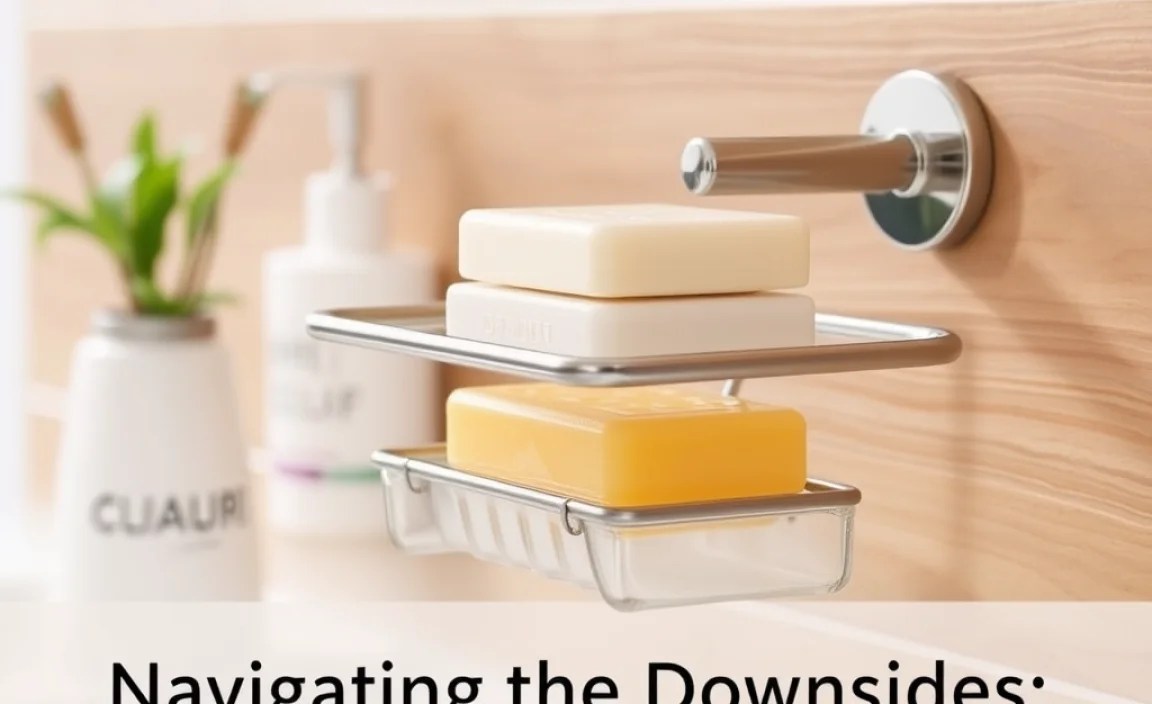
While soap holders are generally beneficial, they aren’t without their minor drawbacks. Understanding these potential issues can help you make the most informed choice and avoid common pitfalls.
Can Still Collect Water
Some soap dishes, especially those without adequate drainage, can still collect a small amount of water at the bottom. If not cleaned regularly, this stagnant water can lead to a slimy buildup or even mold. It’s important to choose a holder with good drainage or to empty and clean it periodically.
Requires Cleaning and Maintenance
Like any bathroom accessory, soap holders need to be cleaned. Soap scum, mineral deposits from hard water, and residue can accumulate on the holder itself. This means you’ll need to factor in occasional cleaning to keep it looking and functioning at its best. Neglecting this can lead to the very mess you’re trying to avoid.
May Not Fit All Soap Sizes
Bar soaps come in various sizes and shapes. A holder that perfectly fits a standard bar might be too small for a larger artisanal soap or a novelty shape. Always check the dimensions of the soap holder and compare it to the size of your preferred soap bars to ensure a good fit.
Drilling May Be Required for Some Types
Certain types of soap holders, particularly wall-mounted units or larger shower caddies, require drilling into tiles or walls for installation. This can be a barrier for renters or for those who prefer not to make permanent modifications to their bathroom. However, many adhesive and suction-cup options are available, which bypass this issue.
Can Fall Off (Suction/Adhesive Types)
While convenient, suction cup and adhesive-backed soap holders can sometimes lose their grip, especially in steamy or wet shower environments. If not installed properly or if the surface isn’t ideal, they might detach unexpectedly, potentially falling and causing damage or making a mess. Make sure to follow installation instructions carefully and consider the material of your shower wall.
A Look at Popular Soap Holder Types: Pros and Cons

The world of soap holders offers a variety of options, each with its own set of advantages and disadvantages. Let’s break down some of the most common types to help you find the perfect match.
1. Soap Dishes (Countertop)
These are the classic, freestanding dishes you typically place next to your sink. They come in an enormous variety of materials like ceramic, plastic, bamboo, wood, and metal.
Pros:
- Easy Installation: No mounting or drilling required. Just place it where you want it.
- Portability: Can be easily moved if you want to change your bathroom layout or clean the counter.
- Wide Variety: Available in a vast range of styles, colors, and materials to suit any decor.
- Affordability: Many options are very budget-friendly.
Cons:
- Countertop Clutter: Takes up precious space on your sink counter or shower ledge.
- Drainage Issues: Some designs can collect water if not properly sloped or emptied.
- Can Slide: Might slide around on wet surfaces if they don’t have a non-slip base.
2. Wall-Mounted Soap Dishes/Holders
These are permanently attached to the wall, usually via screws or strong adhesive/suction cups. They often feature a basket or a plate with drainage holes.
Pros:
- Saves Counter Space: Frees up valuable surface area on vanities and shower ledges.
- Secure Mounting: When properly installed (screwed in), they are very stable and durable.
- Organized Look: Provides a tidy, built-in appearance.
Cons:
- Installation Required: Screwed-in versions require drilling, which can be a barrier.
- Adhesive/Suction Failures: Adhesives can fail over time, and suction cups may lose their grip in moist environments.
- Surface Limitations: Not suitable for all wall types (e.g., textured paint, wallpaper).
3. Shower Caddies
While not solely for soap, shower caddies often include a soap dish or tray as part of a larger storage unit designed to hold shampoo, conditioner, and other toiletries.
Pros:
- Multi-Functional: Solves soap storage and organizes other shower essentials.
- Space Saver: Consolidates multiple items, reducing clutter.
- Variety of Mounts: Available for hanging over showerheads, corner mounting, or tension rods.
Cons:
- Can Be Bulky: Larger caddies can sometimes feel overwhelming in smaller shower spaces.
- Drainage: Soap areas within caddies can still suffer from poor drainage if poorly designed.
- Installation: Corner or tension rod caddies often require specific installation steps.
4. Magnetic Soap Holders
These clever holders consist of a small metal disk that attaches to your soap bar (you push a small prong into the soap) and a magnetic bracket that mounts to the wall or sink edge. The magnet then holds the soap in place.
Pros:
- Excellent Drainage: Soap dries directly in the air, providing the best possible drying.
- Minimalist Design: Very discreet; the soap appears to float.
- No Mess Soap: Dramatically reduces mushy soap by keeping it dry.
- Easy to Install: Usually involves a simple screw or adhesive mount for the magnet.
Cons:
- Requires Soap Modification: You need to push a metal piece into your soap bar.
- Magnet Strength: The magnet needs to be strong enough to hold the soap; larger bars might be an issue.
- Potential for Rust: The metal disk in the soap can corrode if submerged or not dried, though this is rare with quality materials.
5. Soap Saver Bags/Pouches
These are mesh or sisal bags that you place your bar soap inside. You can then lather the soap directly through the bag. They often have a drawstring for hanging.
Pros:
- Great for Small Pieces: Perfect for using up those small slivers of soap that are hard to handle.
- Easy to Hang: The bag itself can be hung to dry, keeping the soap elevated.
- Exfoliating: The mesh texture can provide a gentle exfoliating scrub.
- Travel-Friendly: Keeps soap contained during travel.
Cons:
- Drying Limitations: The soap is still inside a bag, so it might not dry as thoroughly as other methods.
- Lathering Change: The lather might feel slightly different due to the bag.
- Bag Maintenance: The bag itself needs occasional washing to prevent mildew.
Choosing the Right Soap Holder for You: Key Considerations

With so many options, how do you pick the one that’s truly best? Consider these factors:
Bathroom Size and Layout
Do you have a spacious bathroom with plenty of counter space, or a compact powder room where every inch counts? For smaller spaces, wall-mounted or magnetic options are excellent for saving room.
Installation Preferences
Are you comfortable with drilling holes for a secure, permanent fixture, or do you prefer a no-damage, easily reversible solution like a suction cup or adhesive? If you rent, avoid drilling altogether.
Aesthetics and Style
What’s your bathroom’s overall look? Modern, rustic, minimalist, or traditional? Choose a soap holder material and design that complements your existing decor. For instance, a bamboo dish fits a natural theme, while a brushed nickel holder suits a contemporary bathroom.
Soap Type and Size
Do you use large, chunky artisanal soaps or standard-sized bars? Ensure the holder you choose can accommodate your soap’s dimensions comfortably without making it difficult to dry.
Maintenance Tolerance
How much cleaning are you willing to do? Some holders require more frequent attention than others to prevent grime. Magnetic holders and those with excellent drainage typically require less intensive cleaning.
A great resource for understanding bathroom fixture installation, including considerations for mounting, can be found on the This Old House website.
Step-by-Step: Installing a Common Wall-Mounted Adhesive Soap Holder
Let’s walk through installing a popular type of soap holder—the adhesive-backed wall-mounted kind. These are great because they don’t require drilling and are widely available.
Tools You’ll Need:
- Your chosen adhesive soap holder
- A clean, dry cloth
- Rubbing alcohol (optional, for better adhesion)
- A level (optional, for perfect placement)
- The holder’s included instructions
Installation Steps:
- Choose the Location: Decide where you want your soap holder. It should be easily accessible but not in the direct path of water spray from your showerhead or faucet unless it’s specifically designed for that.
- Clean the Surface Thoroughly: This is the most crucial step for good adhesion. Use a damp cloth to wipe away any dust, soap scum, or grime. For extra assurance, lightly wipe the area with rubbing alcohol and let it dry completely. Ensure the surface is perfectly dry.
- Prepare the Holder: Follow the manufacturer’s instructions to peel off the protective backing from the adhesive strip. Avoid touching the adhesive surface with your fingers.
- Position and Press: Carefully align the holder on the wall where you want it. Once you’re happy with the position, press it firmly against the wall. Apply consistent pressure all over the back of the holder for at least 30-60 seconds. This helps the adhesive bond effectively. A level can help ensure it’s straight before you press.
- Wait Before Use: Most adhesive mounts recommend waiting 24 hours before placing any weight on the holder or using it. This allows the adhesive to cure fully and reach its maximum strength.
- Attach the Soap Dish/Basket: Once the mounting bracket is secure, attach the actual soap dish or basket according to the product’s design (it might clip on, screw on, or slide into place).
Following these steps ensures your new soap holder stays put and serves you well.
Troubleshooting Common Soap Holder Issues
Even with the best intentions, you might encounter a few hiccups. Here’s how to deal with them.
Problem: Soap is still getting mushy.
Solution: Check the drainage. If your dish has a solid bottom, water might be pooling. Try a different holder with better drainage, or make sure to empty any standing water regularly. For wall-mounted types, ensure the soap isn’t sitting at an angle that allows water to collect.
Problem: Adhesive holder fell off the wall.
Solution: The surface might not have been clean or dry enough, or the wall material wasn’t suitable. Clean the wall again, ensuring it’s perfectly dry and smooth. If the adhesive strip is still sticky, reapply using firm, prolonged pressure. If not, you may need to use a stronger adhesive or consider a screwed-in option.
Problem: Holder is collecting scum.
Solution: Regular cleaning is key. Use a soft brush (an old toothbrush works well) with soap and water or a mild bathroom cleaner. For stubborn buildup, a paste of baking soda and water can be effective. Rinse thoroughly and dry.
Problem: My soap doesn’t fit the holder.
Solution: Measure your favorite bar soaps and check the dimensions of the soap holder before buying. If you have oversized soaps, consider a larger dish, a soap saver bag, or a corner caddy with ample space. You might also need to switch to a more standard-sized bar soap if you really love a particular holder.
A Comparative Look: Soap Holder Performance
To visualize the differences, here’s a table comparing common soap holder types based on key performance factors:
| Holder Type | Soap Dryness (Best to Worst) | Ease of Cleaning | Space Efficiency | Installation Effort |
|---|---|---|---|---|
| Magnetic Holder | Excellent | Easy (holder itself) | Excellent (minimal footprint) | Low (adhesive/screw) |
| Wall-Mounted (with good drainage) | Very Good to Excellent | Moderate | Excellent (off the counter) | Moderate (drilling or strong adhesive) |
| Soap Dish (with drainage/sloped) | Good to Very Good | Moderate | Poor to Moderate (takes counter space) | None |
| Shower Caddy (integrated soap dish) | Moderate to Good | Moderate (part of larger unit) | Good (consolidates items) | Moderate (hanging/tension) |
| Soap Saver Bag | Moderate (can stay damp) | Moderate (bag needs washing) | Excellent (hangs) | None |
| Soap Dish (poor drainage) |
