
Understanding soap holder jargon like “suction,” “adhesive,” and “drainage” helps you pick the best type for your shower or sink. This guide breaks down the pros and cons of common soap holder types, making your decision simple and effective.
Ever stare at a rack of soap holders and feel a little lost? Words like “non-marking,” “single-piece construction,” or “open-slat design” can make choosing the right one feel like deciphering a secret code. But don’t worry! Finding a reliable soap holder is actually a straightforward process once you know what these terms mean. A good soap holder keeps your precious bar soap from turning into a gooey mess and tidies up your space. This guide will shine a light on the common jargon, explaining the benefits and downsides of each type. Get ready to make an informed choice and say goodbye to soggy soap forever!
Decoding Soap Holder Jargon: What’s What?
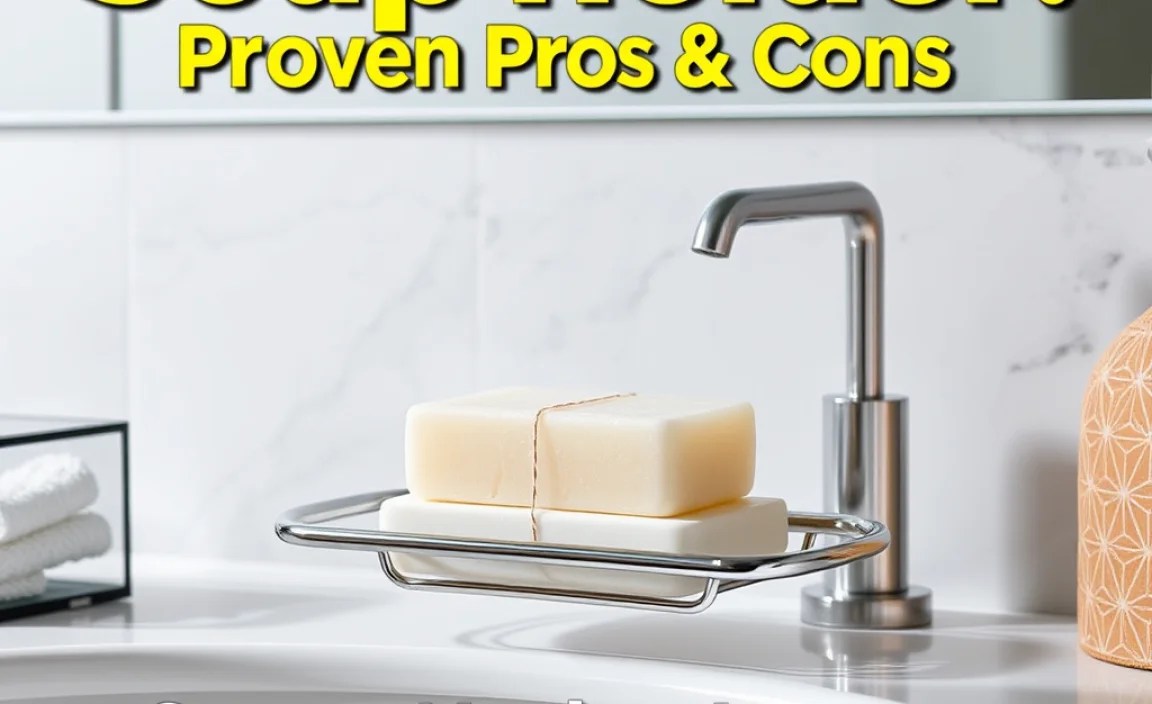
Before we dive into the pros and cons, let’s demystify some common terms you’ll encounter when shopping for a soap holder. Knowing these will help you visualize how each type works and why it might (or might not) be the perfect fit for your bathroom.
The Jargon Explained:
- Suction Cup: This refers to holders that attach to smooth, non-porous surfaces (like tiles or glass) using flexible cups that create a vacuum seal.
- Adhesive: These holders use a strong glue or sticky backing to attach to surfaces. They are generally more permanent than suction cup types.
- Drainage/Ventilation: This is crucial! It means the design allows water to escape easily, preventing the soap from sitting in a puddle and becoming mushy. Look for holes, slats, or angled designs.
- Non-Marking: This describes materials or adhesives that won’t leave unsightly stains or residue on your walls or fixtures.
- Single-Piece Construction: The holder is made from one solid material without joints or separate parts. This often means greater durability.
- Adjustable: Some holders can be moved or reconfigured, offering flexibility in placement or fit, especially for shower caddies.
- Rust-Resistant: Important for bathroom items, this means the material (often metal) has been treated or is naturally resistant to corrosion. Stainless steel and certain plastics are good examples.
- Removable/Washable: Indicates that the holder can be easily taken down for cleaning, either the holder itself or the area beneath it.
- Open-Slat Design: Similar to drainage, this means the base of the holder has gaps or slats, allowing air to circulate and water to drain away quickly.
- Recessed: Some holders are built into the wall (like niches) or are designed to sit flush with the surface, offering a sleek look and saving space.
Types of Soap Holders: Pros & Cons

Now that we’re fluent in soap holder terminology, let’s look at the most common types you’ll find. We’ll break down what makes each one great and where it might fall short, helping you choose wisely based on your needs and bathroom style.
1. Suction Cup Soap Holders
These are incredibly popular because they’re easy to install and remove without damaging surfaces. They rely on a vacuum created by pressing the cup firmly onto a smooth, dry, non-porous surface like glossy tiles or glass shower doors. The advantage is no drilling, no permanent marks, and you can often reposition them if you change your mind.
Pros:
- Easy Installation: Simply press firmly onto a clean, smooth surface.
- No Damage: No drilling or permanent adhesives means your walls stay pristine.
- Removable & Reusable: Can be moved or taken down easily.
- Affordable: Generally one of the most budget-friendly options.
- Good Drainage Potential: Many designs feature open slats or holes for water to escape.
Cons:
- Surface Dependent: Only work on smooth, non-porous surfaces. They won’t stick to textured tiles, painted walls, or grout lines.
- Can Fall Off: Suction can lose its grip over time due to humidity, temperature changes, or improper installation.
- Limited Weight Capacity: May not be suitable for very large or heavy bars of soap, or if you have a lot of soap.
- Regular Maintenance: May need to be re-suctioned periodically to maintain their hold.
2. Adhesive Soap Holders
Adhesive-backed soap holders offer a more permanent solution than suction cups. They use a strong, often double-sided tape or glue that adheres directly to your wall or shower. This makes them a good choice for surfaces where suction cups fail, and they usually offer a more robust hold.
Pros:
- Strong Hold: Once applied, they are very secure and less likely to fall than suction cups.
- Versatile Surfaces: Can often be used on a wider variety of surfaces, including some textured tiles or even painted walls (check manufacturer recommendations).
- Sleek Designs: Many modern, minimalist designs are available as adhesive mounts.
- No Drilling Required: Offers an alternative to drilling if you want a more permanent fixture.
Cons:
- Permanent/Difficult to Remove: Removing them can damage paint, drywall, or tile surfaces, requiring touch-ups or repairs.
- Surface Preparation Critical: The surface must be thoroughly cleaned and dried for the adhesive to bond properly.
- Moisture Concerns: High humidity in bathrooms can sometimes weaken certain types of adhesives over time.
- Not Reusable: Once removed, the adhesive backing is compromised and cannot be reused.
3. Mounted/Drilled Soap Holders
These are the heavy-duty champions. Mounted holders are screwed directly into the wall, often through tiles or drywall. This provides the most secure and durable attachment, capable of holding significant weight. They are often integrated into shower caddies or built as standalone fixtures.
Pros:
- Most Secure: Offers the strongest and most reliable hold, even for heavy items.
- Durable: Built to last and withstand regular use.
- Wide Range of Styles: From simple ceramic dishes to elaborate multi-shelf units.
- Good Drainage Options: Many designs incorporate slotted or open bases.
Cons:
- Requires Drilling: Installation involves drilling holes, which is permanent and requires basic DIY skills.
- Potential for Damage: Drilling into walls can hit pipes or wiring if not done carefully. Also risks cracking tiles.
- Installation Skill Needed: Proper tools (drill, tile bits) and techniques are necessary for a clean installation.
- Not Portable: Once installed, they are fixed in place.
4. Freestanding/Countertop Soap Dishes
These are simple dishes or small containers that sit directly on your bathroom counter or sink edge. They require no installation at all, making them perfect for renters or those who prefer not to alter their bathroom fixtures. Their primary job is to catch excess water and keep soap contained.
Pros:
- No Installation: Simply place it where you need it.
- Extremely Portable: Easy to move for cleaning or rearranging.
- Variety of Materials: Available in ceramic, glass, bamboo, plastic, and metal.
- Good for Small Spaces: Ideal for vanities or small sinks.
Cons:
- Takes Up Counter Space: Occupies valuable real estate on your vanity.
- Can Slip: May slide around on wet surfaces if it doesn’t have a non-slip base.
- Potential for Mess Below: If the dish isn’t deep enough or doesn’t drain well, water can spill onto the counter.
- Less Secure: Can be knocked over more easily than mounted options.
5. Corner Soap Holders (Often Mounted)
These are designed to fit into the corner of a shower or bathtub. They often come as shelves or baskets and can be either suction-mounted, adhesive-mounted, or drilled in. Their advantage is utilizing often-unused space efficiently.
Pros:
- Space-Saving: Utilizes vertical corner space effectively.
- Good for Organization: Can hold not just soap but shampoos and conditioners.
- Various Mounting Options: Choose from suction, adhesive, or drilled.
- Improved Drainage: Many basket designs allow for excellent water runoff.
Cons:
- Installation Challenges: Corners can be tricky to measure and install on, especially if tiles aren’t perfectly square.
- Limited Access: Might be slightly harder to reach for some individuals.
- Can be Bulky: Some designs might feel obtrusive in smaller shower stalls.
Material Matters: What to Look For

The material of your soap holder significantly impacts its durability, appearance, and how well it performs. Here’s a quick rundown of common materials and their characteristics:
| Material | Pros | Cons |
|---|---|---|
| Plastic/Resin | Lightweight, affordable, rust-proof, easy to clean, comes in many colors. | Can look less premium, may scratch or yellow over time, some cheaper plastics can be brittle. |
| Stainless Steel | Durable, rust-resistant, modern look, easy to clean, good for humid environments. | Can be more expensive, some lower grades can still corrode, can be heavy. |
| Ceramic | Classic look, easy to clean, can be very decorative, stable (if a dish). | Can be heavy, brittle and can chip or break if dropped, can be static if on a counter. |
| Glass | Elegant, easy to clean, non-porous, modern or classic styles. | Fragile, can break easily if knocked, shows water spots if not cleaned regularly. |
| Bamboo/Wood | Natural, eco-friendly, aesthetically pleasing, good drainage (with slats). | Requires regular drying to prevent mold/mildew, may not be as durable in very wet areas, can stain. |
| Brass/Bronze (often with finish) | Durable, can have a beautiful patina over time, often rust-resistant with proper finish. | Can be expensive, finishes can wear off, natural brass can corrode if not maintained. |
For the best of both worlds in terms of durability and aesthetics in a wet environment like a shower, stainless steel or well-finished brass holders are excellent choices. If budget is a major concern, sturdy plastic or resin can serve you well, especially with good drainage designs.
Choosing the Right Soap Holder: A Step-by-Step Approach

Convinced you need an upgrade? Follow these steps to pick the perfect soap holder for your bathroom:
Step 1: Assess Your Surface
The most important factor is what your shower wall or sink area is made of. Is it sleek, glossy tile? Textured tile? Painted drywall? A glass enclosure? This will immediately narrow down your options. For smooth, non-porous surfaces like glossy tiles or glass, suction cups or strong adhesives are your primary choices. For textured tiles or painted walls where suction won’t hold, you’ll lean towards adhesive or drilled mounts.
Step 2: Consider Installation Preferences
Are you a renter who can’t drill holes? Or are you comfortable with a drill for a more permanent solution?
- No Drilling: Stick to suction cups, adhesive, or freestanding dishes.
- Willing to Drill: Mounted/drilled options offer the most security.
Step 3: Prioritize Drainage
No one likes a slimy bar of soap. Look for holders with holes, slats, or an open design that allow water to drain away freely. This is crucial for extending the life of your soap and keeping your holder clean.
An excellent resource for understanding bathroom maintenance and material durability can be found on resources like the Environmental Protection Agency’s information on home materials, which often touches on durability and upkeep.
Step 4: Think About Style and Aesthetics
Your soap holder is a small but visible part of your bathroom décor. Do you prefer a modern minimalist look, a rustic wooden feel, or a more traditional ceramic design? Choose a material and style that complements your existing bathroom fixtures.
Step 5: Evaluate Durability and Weight
If you use large, heavy bars of soap, or have multiple soaps, you’ll need a holder with superior strength. Drilled mounts are the most robust. For lighter use, good quality suction or adhesive holders can be perfectly adequate.
Step 6: Factor in Ease of Cleaning
Consider how easy the holder will be to clean. Removable parts or smooth surfaces without too many nooks and crannies are easier to maintain. Soap scum can build up, so a design that can be wiped down easily is a big plus.
Common Pitfalls to Avoid
Even with the best intentions, there are a few common mistakes people make when choosing or installing soap holders:
- Over-reliance on Suction: Assuming suction cups will stick to any surface is a common error. Always test on a small, inconspicuous area if unsure.
- Improper Surface Preparation: For both suction and adhesive types, a clean, dry surface is paramount. Any soap scum, dust, or water and the hold will fail.
- Ignoring Drainage: A solid, non-draining dish might look nice but will turn your soap into a mushy mess. Prioritize airflow and water escape.
- Using the Wrong Adhesive Remover: If you need to remove an adhesive holder, use a product specifically designed for it to minimize damage. Harsh chemicals or scraping can cause irreparable harm.
- Forgetting About Humidity: Bathrooms are humid. This can affect the performance of some adhesives and the longevity of suction cups.
Frequently Asked Questions About Soap Holders
Q1: What’s the best type of soap holder for a rental property?
A1: For rentals, non-damaging options are best. This includes suction cup holders (on suitable surfaces), adhesive holders (if you’re okay with potential minor wall repair upon moving out, or if the landlord allows), or freestanding countertop dishes.
Q2: How do I make a suction cup soap holder stay on better?
A2: Clean and dry the tile thoroughly. Moisten the edge of the suction cup slightly with water and press firmly in the center, working outwards. For a stronger hold, some people apply a tiny bit of petroleum jelly or a specialized suction cup sealant around the lip of the cup for a better seal.
Q3: Can I use a soap holder on a painted wall?
A3: It depends on the paint and the holder. Cheap suction cups likely won’t work. Adhesive holders might work on some durable, well-adhered paint finishes, but removal will almost certainly damage the paint. Drilled mounts are the most reliable for painted walls, provided you seal the screw holes properly.
Q4: How often should I clean my soap holder?
A4: It’s a good idea to clean your soap holder weekly or bi-weekly. This prevents soap scum buildup and keeps it looking hygienic. For removable holders, give them a good wash with warm, soapy water. For fixed ones, wipe them down with a damp cloth and a bit of all-purpose cleaner.
Q5: What’s the difference between a soap dish and a soap holder?
A5: Often used interchangeably, a “soap dish” typically refers to a container that sits on a surface, like a counter or sink, designed to hold a single bar of soap and catch water. A “soap holder” is a broader term that can include dishes, but also wall-mounted or shower-mounted devices designed to keep soap elevated and drain well.
Q6: Are bamboo soap holders good for showers?
A6: Bamboo soap holders can be a stylish choice. They often have slatted designs that promote good drainage. However, in a constantly wet shower environment, they require vigilant drying and regular cleaning to prevent mold and mildew growth. They perform best if they can air dry between uses.
