
Understanding the structure of a bathroom versus alternative designs helps you maximize space and functionality, whether you’re renovating or building. This guide explores common layouts and innovative alternatives for smarter, more efficient bathroom spaces.
Ever felt your bathroom is a bit… cramped? Or perhaps you’re dreaming of a bathroom that feels more like a spa than a utility room? You’re not alone! The way a bathroom is structured can make a huge difference in how it feels and functions. Sometimes, the traditional layout just doesn’t cut it for modern living. But don’t worry, understanding these designs is the first step to creating your perfect bathroom. We’ll break down the common structures and reveal some clever alternatives that can unlock a whole new level of convenience and style.
Understanding the Standard Bathroom Structure
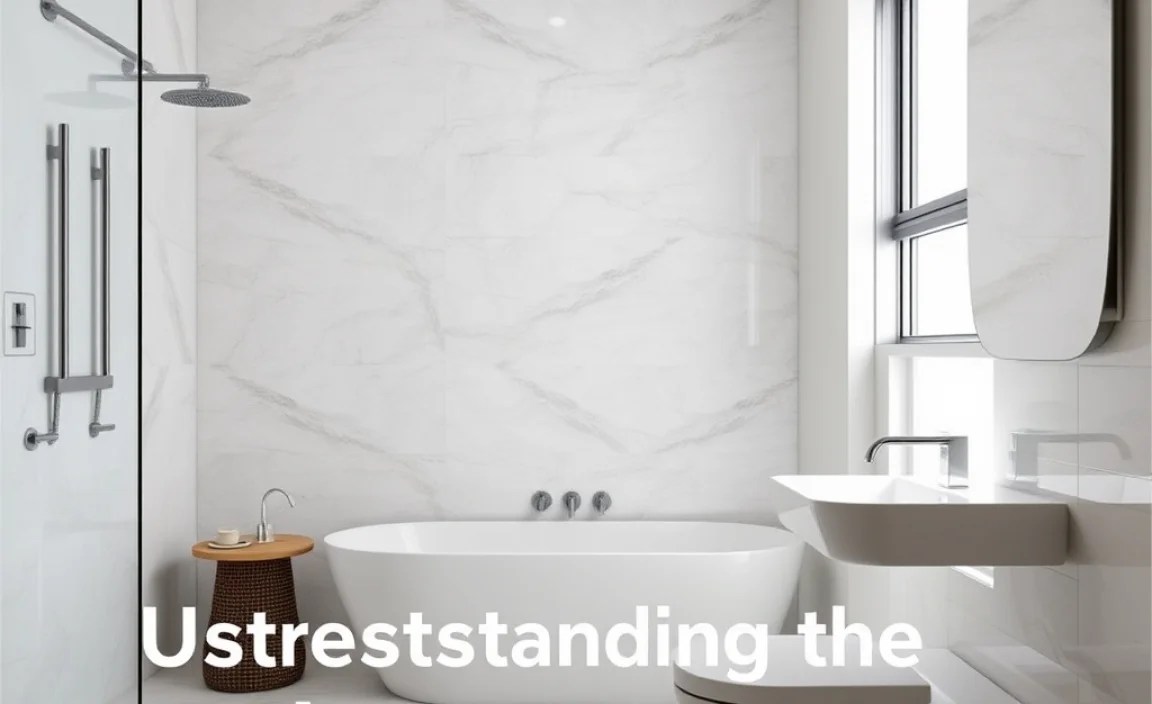
When we talk about the “structure of a bathroom,” we’re essentially referring to its layout and how the main fixtures – the toilet, sink, and shower or bathtub – are arranged within the available space. This arrangement is often dictated by plumbing, structural walls, and building codes. For beginners, it’s helpful to visualize these as puzzle pieces that need to fit together efficiently.
The Classic “Three-Piece” Bathroom
The most common and familiar bathroom layout is the “three-piece” bathroom. This typically includes:
- A toilet
- A sink (vanity)
- A shower or a bathtub (often combined)
This design is practical, cost-effective to build, and fits in many standard room sizes. The challenge often comes when trying to make it feel spacious or accommodate more than one person at a time.
The “Four-Piece” Bathroom
Stepping up a bit, the “four-piece” bathroom adds an extra element, usually a separate shower and a separate bathtub. This offers more luxury and functionality, allowing for different uses simultaneously. It’s a popular choice for master bathrooms where space allows. This layout often means:
- A toilet
- A sink
- A separate shower stall
- A separate bathtub
The “Powder Room” or Half-Bath
A simpler version, a powder room (or half-bath) usually contains just a toilet and a sink. These are often found on main floors of homes for guest convenience, saving a trip to the upstairs bathrooms. They are compact and serve a basic, immediate need.
The structure of these standard bathrooms is largely determined by the placement of plumbing. Water supply and drainage lines are expensive and difficult to move, so layouts often revolve around these core components. This is why you frequently see bathrooms stacked above or adjacent to each other between floors in a house.
Why Consider Alternative Bathroom Designs?
While standard layouts are functional, they aren’t always ideal. Many homes, especially older ones, have bathrooms that feel squeezed, poorly lit, or just don’t flow well. This is where considering alternative designs comes into play. The “structure of bathroom vs alternative” thinking is about optimizing your space for your specific needs and lifestyle.
Common Frustrations with Standard Bathrooms
- Lack of Space: The most common complaint. Small bathrooms can feel claustrophobic.
- Poor Flow: Doors opening into sinks, toilets too close to vanities, or cramped shower areas.
- Limited Functionality: Not enough storage, no room for a double vanity when needed, or an awkward placement of fixtures.
- Outdated Aesthetics: An old layout might not support modern design preferences.
Benefits of Exploring Alternatives
Looking beyond the standard three or four-piece setup can lead to:
- Maximized Square Footage: Making a small bathroom feel much larger.
- Improved Usability: Better traffic flow and easier access to fixtures.
- Enhanced Storage Solutions: Integrating storage cleverly into the design.
- Personalized Functionality: Creating a space that perfectly suits how you use it – perhaps a larger shower, more counter space, or a dedicated dressing area.
- Increased Home Value: A well-designed, functional bathroom is a major selling point.
Genius Alternative Bathroom Structures
Now, let’s dive into some “genius design” alternatives that rethink the standard bathroom structure. These ideas focus on flexibility, multi-functionality, and smart use of space, perfect for DIYers looking to improve their homes.
1. The Wet Room Concept
A wet room is a bathroom where the shower area is not enclosed by a separate cubicle. Instead, the entire room is waterproofed, and the shower head is mounted on the wall with no shower screen or curtain. The floor slopes towards a drain.
Pros of a Wet Room:
- Maximizes Space: Eliminates the need for a bulky shower enclosure, making small bathrooms feel bigger.
- Easy Cleaning: Fewer nooks and crannies to scrub.
- Accessibility: Ideal for those with mobility issues, as there are no curb or steps to navigate.
- Modern Aesthetic: Creates a sleek, spa-like feel.
Cons of a Wet Room:
- Waterproofing is Crucial: Requires meticulous waterproofing of walls, floors, and potentially ceilings to prevent leaks. This is where expert installation or careful DIY is vital. For guidance on waterproofing, resources like those from the Fine Homebuilding can be invaluable.
- Toilet/Sink Might Get Wet: Without a curtain, water can spray onto other fixtures.
- Heating: The entire room can feel colder in winter if not adequately heated.
Best For:
Small bathrooms, modern renovations, luxury upgrades, and accessible designs.
2. The Linear Bathroom
This design places all the main fixtures along one long wall. It’s a great way to make a narrow, rectangular space work harder. You might have a sink, then a toilet, then a shower or tub, all in a line.
Pros of a Linear Bathroom:
- Space Efficiency: Perfect for long, narrow rooms where traditional placement is awkward.
- Clean Sightlines: Creates a sense of openness along the length of the room.
- Plumbing Consolidation: Can sometimes simplify plumbing runs if all drains are grouped.
Cons of a Linear Bathroom:
- Can Feel Like a Corridor: If not designed carefully, it can feel like a walkway rather than a functional bathroom.
- Limited Space Between Fixtures: Might feel a bit cramped if fixtures are too close.
Best For:
En-suite bathrooms, small apartments, or rooms with an unusual shape.
3. The Open-Concept Bathroom (or Spa-Inspired Layout)
This approach blurs the lines between the bedroom and bathroom, often with minimal or no walls separating zones like the vanity or even a freestanding tub. It aims for an open, airy, and luxurious feel.
Pros of an Open-Concept Bathroom:
- Luxurious Feel: Creates a high-end, hotel-like experience.
- Sense of Space: Makes even modest rooms feel grand and airy.
- Convenience: Easy access to toiletries and often allows for larger fixtures like bathtubs.
Cons of an Open-Concept Bathroom:
- Lack of Privacy: The toilet area is often exposed, which is a consideration for some.
- Humidity and Ventilation: Requires excellent ventilation to manage steam and moisture effectively, preventing damage to adjacent bedroom areas. Consult HomeTips for ventilation best practices.
- Requires Significant Renovation: Often involves structural changes and careful design.
Best For:
Master suites, large homes, and those seeking a spa-like retreat.
4. The “Dressing Room” Bathroom
This is an extension of the four-piece bathroom, where a larger space is carved out to include a vanity area that almost acts like a small dressing room, often with ample storage for toiletries, makeup, and even clothing. It might feature a larger vanity with two sinks and significant counter space.
Pros of a Dressing Room Bathroom:
- Abundant Storage: Excellent for keeping clutter hidden and organized.
- Comfort and Convenience: Provides more room for multiple users.
- Luxury Touches: Can easily incorporate seating or a makeup station.
Cons of a Dressing Room Bathroom:
- Requires Significant Space: Not feasible for smaller homes or bathrooms.
- Higher Cost: More fixtures, cabinetry, and finishes mean a higher investment.
Best For:
Master bathrooms in larger homes, active families needing efficient routines.
5. The Compact or “Micro” Bathroom
These designs are all about smart, space-saving solutions for very small areas, like a closet conversion or a tiny guest bathroom. They often use a wall-mounted sink, a compact toilet, and sometimes a corner shower or a shower-over-tub combination.
Pros of a Micro Bathroom:
- Utilizes Tiny Spaces: Can turn unused nooks into functional bathrooms.
- Cost-Effective: Fewer fixtures and less square footage generally mean lower costs.
- Guest Convenience: Adds a useful facility without taking up much room.
Cons of a Micro Bathroom:
- Can Feel Claustrophobic: Even with smart design, space will be limited.
- Limited Functionality: Usually only accommodates one person at a time and has minimal storage.
- Specialized Fixtures Needed: Might require purchasing smaller, specialized, or wall-mounted fixtures.
Best For:
Basement conversions, small apartments, hallways, or to add a powder room where space is at an absolute premium.
Comparing Structures: Standard vs. Alternative
To help you weigh your options, here’s a table comparing the typical characteristics of standard bathroom layouts against some of the popular alternative designs.
| Feature | Standard Three/Four-Piece | Wet Room | Linear Bathroom | Open-Concept | Compact/Micro |
|---|---|---|---|---|---|
| Space Efficiency | Moderate | High (by eliminating boundaries) | High (for narrow spaces) | Moderate to High (depending on layout) | Very High |
| Installation Complexity | Standard | High (requires expert waterproofing) | Moderate | High (can involve structural changes) | Moderate |
| Aesthetic Potential | Versatile | Modern, Spa-like | Sleek, Minimalist | Luxurious, Open | Functional, Clever |
| Privacy | Good | Can be an issue (without curtains) | Good | Can be an issue (especially for toilet) | Good |
| Cost (General) | Moderate | Moderate to High (due to waterproofing) | Moderate | High to Very High | Low to Moderate |
| Ideal For | Most homes | Small bathrooms, accessible designs | Narrow rooms, en-suites | Master suites, large homes | Tiny spaces, guest rooms |
Key Design Principles for Any Bathroom Structure
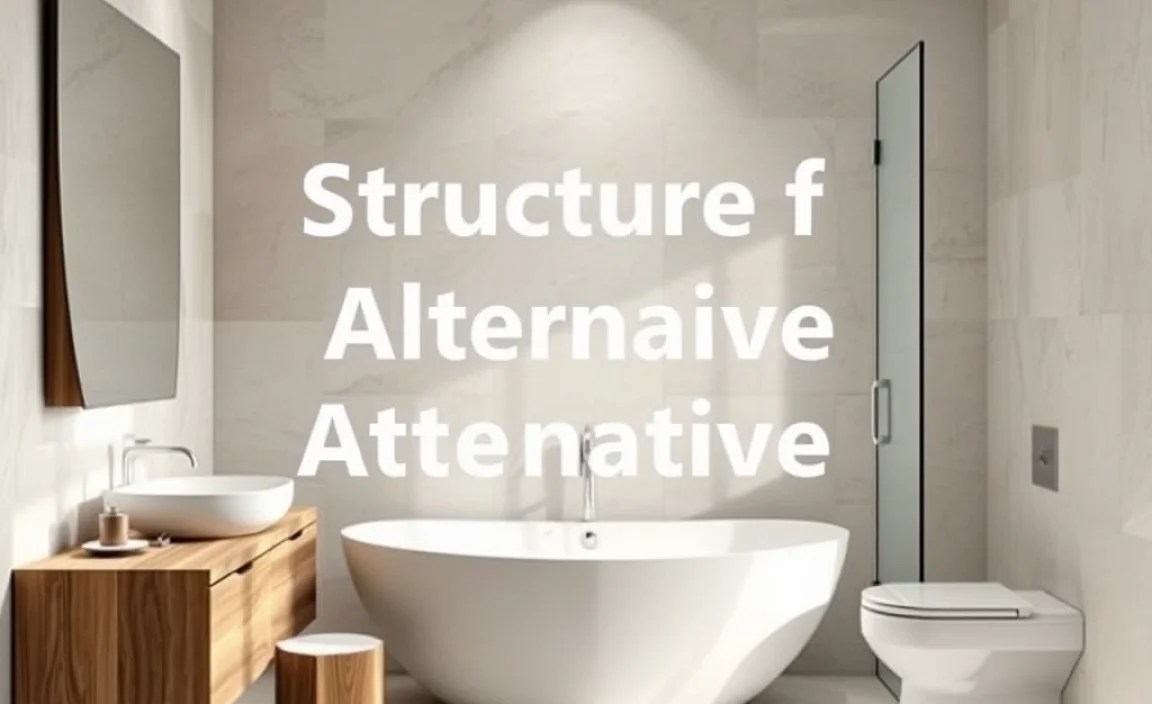
Regardless of whether you choose a standard or an alternative structure, focusing on these core design principles will lead to a better bathroom. These are good for any DIY project, ensuring a safe and effective outcome.
1. Functionality First
Before anything else, think about how you use your bathroom. Do you need a large shower for relaxing? Do you require ample counter space for multiple people? Prioritize the features that matter most to you. This is the foundation of any “genius design.”
2. Embrace Your Space (Even Small Ones!)
Even a tiny bathroom can feel more functional and spacious with smart design. Consider:
- Wall-mounted fixtures: Toilets and sinks that attach to the wall free up floor space.
- Corner sinks or toilets: Can fit into awkward corners.
- Pocket doors or sliding doors: Instead of traditional swinging doors that eat up floor space.
- Light colors: Make a room feel larger and brighter.
- Mirrors: Strategically placed mirrors can create an illusion of more space.
3. Storage, Storage, Storage!
Bathrooms are notorious for clutter. Smart storage is key to any successful design.
- Recessed shelving or medicine cabinets: These don’t protrude into the room.
- Vanity with drawers and shelves: Opt for maximum storage within the vanity unit.
- Over-the-toilet storage: A common but effective solution.
- Shower caddies: For keeping shampoos and soaps organized.
- Think vertically! Use wall space effectively with shelves or tall cabinets.
4. Lighting is Crucial
Good lighting can transform a bathroom. Consider layers of light:
- Ambient lighting: General overhead light.
- Task lighting: Lights around the mirror for grooming.
- Accent lighting: Perhaps in niches or to highlight features.
- Natural light should be maximized where possible.
According to the U.S. Department of Energy, efficient lighting not only illuminates your space but can also save energy.
5. Ventilation Matters
Proper ventilation is essential to prevent mold, mildew, and damage from humidity. Ensure your bathroom has an effective exhaust fan, ideally vented to the outside, and consider having it on a timer or humidity sensor for automatic operation.
DIY Considerations for Bathroom Structure Changes
If you’re a DIY enthusiast, making changes to your bathroom structure can be rewarding, but it’s important to be prepared. Always prioritize safety and understand your limits.
When to Call a Professional
- Moving Plumbing: Relocating drain pipes or water supply lines is complex and often requires permits. If you’re not experienced, this is best left to a licensed plumber.
- Major Structural Changes: Involving load-bearing walls or significant framing adjustments.
- Electrical Work: Installing new lighting or outlets should always be done by a qualified electrician.
- Waterproofing: While some DIYers can do it, improper waterproofing can lead to costly damage. For critical areas like wet rooms, professional application might be wise.
Simple DIY Upgrades to Consider
- Installing a new vanity: If the plumbing connections remain in the same place.
- Swapping out a toilet: A manageable DIY task with the right tools and instructions.
- Adding shelves or storage: Simple additions that boost functionality.
- Updating lighting fixtures: If electrical work is within your comfort zone and local codes are met.
- Painting and tiling: Cosmetic upgrades that make a big impact.
Always check your local building codes and permit requirements before
