
Quick Summary: Choosing between a traditional bathtub and its alternatives depends on your space, budget, and lifestyle. This guide helps you understand your options, from walk-in tubs to sophisticated shower systems, ensuring a “genius choice” for your bathroom upgrade.
Is your bathroom feeling a little tired? Maybe you’re thinking about a refresh, or perhaps a specific need has you re-evaluating your bathing setup. The “system of bathtub vs alternative” is a question many homeowners ponder, especially when looking to improve functionality, accessibility, or just overall style. It can feel overwhelming with all the choices out there. But don’t worry! We’re here to break down the decision-making process in a way that’s easy to understand. We’ll explore the pros and cons of a classic bathtub and shine a light on the many fantastic alternatives available today. Get ready to discover the perfect solution for your home and your daily routine.
Understanding the “System of Bathtub” Itself

When we talk about the “system of bathtub,” we’re generally referring to the standard fixture that has graced bathrooms for generations. It’s a basin designed for bathing, usually filled with water. But beyond the basin, the “system” involves plumbing connections for filling and draining, surrounding tile or wall materials, and often, accompanying fixtures like showerheads or faucets. These tubs offer a classic bathing experience, a place to soak and relax.
The Classic Bathtub: Pros and Cons
The traditional bathtub is familiar and often a core feature of a home’s bathroom. Let’s look at what makes it a popular choice and where it might fall short for some.
Pros of a Traditional Bathtub:
- Relaxation and Soaking: Ideal for a lengthy, warm soak to de-stress.
- Family-Friendly: Easier to bathe young children or pets in a tub than a shower.
- Aesthetic Appeal: Can be a beautiful focal point in a bathroom design.
- High Resale Value: Many buyers expect a bathtub in a primary bathroom.
- Versatility: Can be used for bathing, showering, or just a quick wash.
Cons of a Traditional Bathtub:
- Space Consumption: Tubs, especially standard alcove sizes, can take up significant floor space.
- Accessibility Issues: The high lip can be a hazard for those with mobility challenges.
- Water Usage: Filling a tub often uses more water than a typical shower.
- Cleaning: The basin and surrounding grout lines can be difficult to keep clean.
- Time-Consuming: Drawing a bath and soaking takes more time than a quick shower.
Exploring the Alternatives: A World of Choices

The good news is that the concept of bathing has evolved! If a traditional bathtub isn’t quite right for you, there’s a wealth of “system of bathtub vs alternative” solutions that offer different benefits. These alternatives cater to modern lifestyles, accessibility needs, and smaller spaces.
1. The Sophisticated Shower System
For many, the shower has become the go-to for daily cleansing. Modern shower systems are far more than just a pipe with a head; they can be luxurious and highly functional. This is a primary contender in the “system of bathtub vs alternative” discussion.
Types of Shower Systems:
- Standard Shower Stall: A common fixture, typically with a built-in base and glass doors.
- Walk-in Shower: Features a curbless entry for easy access, often with a drain directly in the floor. This is a great option for aging in place or for those with mobility aids, as explored by the National Association of Home Builders‘ insights on aging-in-place design.
- Multi-Head Shower Systems: Incorporate multiple showerheads (e.g., rain showerhead, handheld wand, body jets) for a spa-like experience.
- Steam Showers: Enclosed units that generate steam, offering therapeutic benefits.
When a Shower System is a Genius Choice:
- Space-Saving: Showers can be more compact than bathtubs, perfect for smaller bathrooms.
- Time-Efficient: Ideal for busy mornings when a quick wash is all you need.
- Water Conservation: Generally uses less water than filling a bathtub.
- Accessibility: Walk-in showers offer unparalleled ease of use.
- Customization: Modern systems allow for extensive personalization of spray patterns, temperature control, and even lighting.
2. The Accessible Walk-In Tub
Walk-in tubs are specifically designed to address the accessibility concerns of traditional bathtubs. They are a game-changer for individuals with mobility issues, but also offer a comfortable bathing experience for anyone.
Key Features of Walk-In Tubs:
- Low Entry Threshold: A watertight door allows easy entry and exit without stepping over a high tub wall.
- Built-in Seat: A comfortable, chair-height seat makes bathing easier and safer.
- Grab Bars: Strategically placed for stability and support.
- Quick Fill and Drain: Designed to fill and empty much faster than a standard tub.
- Hydrotherapy Jets (Optional): Many models offer whirlpool or air jets for therapeutic relief.
Why a Walk-In Tub Might Be Your Genius Choice:
- Safety and Independence: Dramatically reduces the risk of slips and falls.
- Comfortable Bathing: The seat allows for a relaxed bath without strenuous movement.
- Therapeutic Benefits: Jets can help with muscle soreness, arthritis, and circulation.
- Ease of Use: Simplifies the bathing process for seniors and those with physical limitations.
- Modern Functionality: Despite the focus on accessibility, they are equipped with modern conveniences.
3. The Compact Shower/Tub Combo
This is the most common setup in many homes, blending the functionality of both a shower and a bathtub into a single unit. It’s a popular compromise, especially when space is a consideration.
Understanding the Combo Unit:
This system typically involves a standard bathtub basin with a surrounding shower curtain or glass enclosure and a showerhead mounted on the wall. It’s a versatile solution that offers the option for both a relaxing soak and a quick shower.
Pros of a Shower/Tub Combo:
- Space Efficiency: Combines two functions in one unit, ideal for standard-sized bathrooms.
- Versatility: Caters to different needs – a long soak one day, a quick shower the next.
- Cost-Effective: Generally more affordable than installing separate shower and tub units.
- Familiarity: Most people are used to this setup.
Cons of a Shower/Tub Combo:
- Accessibility: Still presents a stepping-over hazard.
- Water Usage: Can be high if primarily used for baths.
- Cleaning: Requires cleaning of both the tub and shower area.
- Limited Luxury: May not offer the spaciousness or advanced features of dedicated shower systems or tubs.
4. The Freestanding Tub
For those looking to make a statement, a freestanding tub offers a design-forward approach. It’s not plumbed into walls and sits as a beautiful, standalone piece.
Distinguishing Freestanding Tubs:
These tubs are set away from the walls, connected to plumbing that comes up from the floor. They come in various styles, from classic clawfoot designs to modern, minimalist shapes.
Why a Freestanding Tub Might Appeal:
- Esthetic Centerpiece: Creates a dramatic focal point and luxury feel.
- Design Flexibility: Can be placed almost anywhere with the right plumbing.
- Spacious Feel: Often larger than alcove tubs, offering a more decadent soak.
- Easy Installation (Relative): Plumbing is often simpler than in-wall shower systems, though placement is key.
Considerations for Freestanding Tubs:
- Space Requirement: Needs ample space to showcase its design.
- Cost: Can be more expensive than standard tubs.
- Cleaning: Cleaning around the tub is essential.
- No Integrated Shower: Usually, you can’t add a showerhead directly to a freestanding tub without special, less common configurations; they are primarily for soaking.
Making Your Genius Choice: Key Factors to Consider

Deciding between the “system of bathtub vs alternative” isn’t one-size-fits-all. Your “genius choice” will depend on your unique circumstances. Here’s how to weigh your options:
1. Bathroom Size and Layout
Measure your space carefully. A large master bathroom might accommodate a luxurious freestanding tub or a spacious walk-in shower. A smaller guest bathroom might benefit from a compact shower/tub combo or a sleek, modern shower stall. Consider how the fixture will fit into the existing plumbing and overall flow of the room.
2. Lifestyle and Usage Habits
How do you prefer to bathe? Do you love long, hot soaks to unwind? A bathtub, or perhaps a walk-in tub with jets, might be ideal. Are you always on the go and need a quick, efficient way to get clean? A modern shower system is likely a better fit. Do you have young children or pets? A bathtub generally makes bathing them easier.
3. Accessibility Needs
This is a critical factor for many. If you or someone in your household has mobility limitations, a walk-in tub or a curbless walk-in shower is a safer and more practical choice. Considering accessibility now can future-proof your bathroom.
4. Budget
Your budget will significantly influence your decision. Standard shower/tub combos are typically the most budget-friendly. Custom shower systems, walk-in tubs, and freestanding tubs can represent a larger investment. Remember to factor in installation costs, which can vary greatly depending on the complexity of the project.
5. Maintenance and Cleaning
Some systems require more cleaning effort than others. Grout lines in tiled shower walls can harbor mold, while the basin of a bathtub needs regular scrubbing. Modern shower panels or solid surface materials can simplify cleaning. Consider how much time and effort you’re willing to dedicate to upkeep.
Comparing Your Options: A Quick Reference Table

To help solidify your understanding of the “system of bathtub vs alternative” landscape, here’s a table summarizing key features of popular choices. This can guide your thought process toward the most “genius” decision for you.
| Feature | Traditional Bathtub | Modern Shower System | Walk-In Tub | Shower/Tub Combo | Freestanding Tub |
|---|---|---|---|---|---|
| Best For | Soaking, families, traditional bathrooms | Quick cleansing, modern bathrooms, space-saving | Accessibility, safety, therapeutic needs | Versatility, standard bathrooms, budget-conscious | Luxury, statement bathrooms, soaking enthusiasts |
| Accessibility | Poor (high lip) | Excellent (walk-in) to Good (standard) | Excellent (low threshold) | Poor (high lip) | Poor (high lip) |
| Space Efficiency | Moderate to Poor | Excellent | Moderate | Good | Poor (requires space around it) |
| Soaking Ability | Excellent | None | Good (with seated comfort) | Excellent | Excellent |
| Installation Complexity | Moderate | Moderate to High (system dependent) | Moderate to High | Moderate | Moderate (plumbing from floor) |
| Typical Cost (Unit Only) | $300 – $2,000+ | $500 – $5,000+ | $3,000 – $10,000+ | $250 – $1,500+ | $1,000 – $5,000+ |
DIY Considerations and Professional Installation
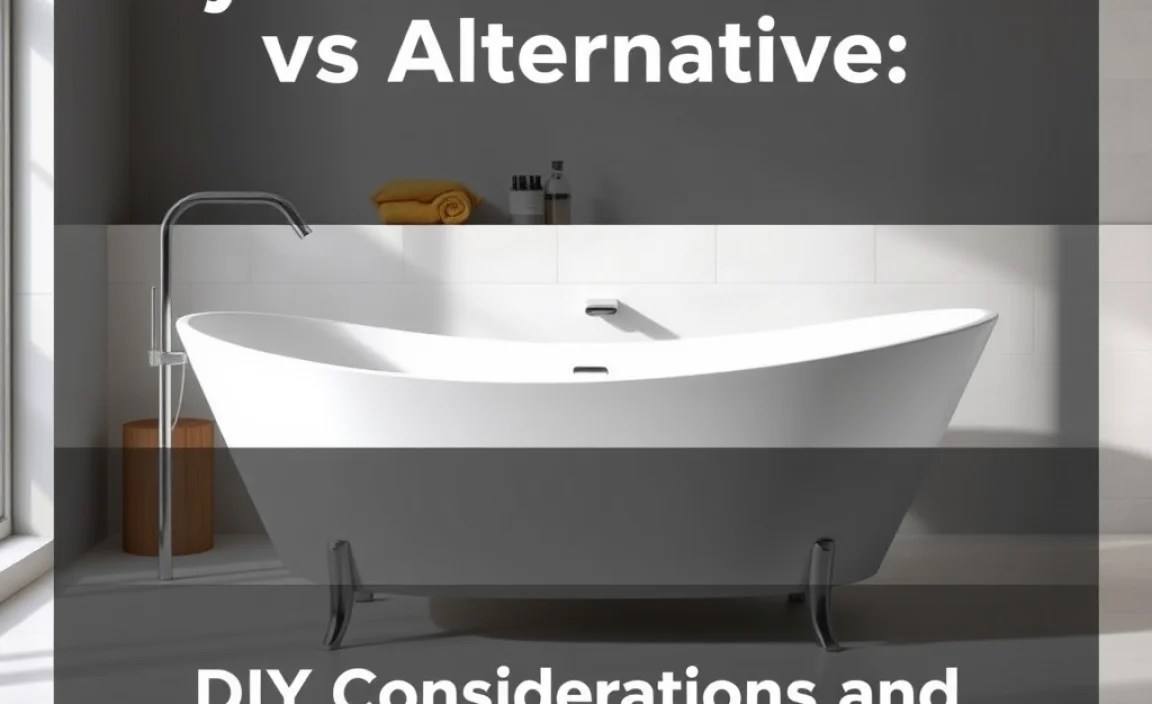
When embarking on a bathroom update involving a new bathing system, you’ll face the decision of DIY or professional installation. For simple replacements of similar fixtures, some DIYers might be comfortable. However, dealing with plumbing, waterproofing, and ensuring structural integrity can be complex.
When DIY Might Work:
- Replacing an old tub with an identical new one.
- Installing a standard shower insert if you are experienced with plumbing and waterproofing.
When to Call a Professional:
- Installing any accessible tubs or showers, which require precise waterproofing and potentially structural modifications.
- Installing complex shower systems with multiple heads or custom tiling.
- Modifying plumbing lines or drainage significantly.
- Installing freestanding tubs, where precise floor plumbing and stable placement are crucial.
- Any situation where you are unsure about waterproofing, as leaks can cause extensive damage, as emphasized by resources from the BuildingGreen community.
A professional contractor ensures that the installation is done correctly, safely, and meets all building codes, preventing potential issues down the line. This peace of mind can be well worth the investment.
Conclusion: Your “Genius Choice” Awaits
Navigating the “system of bathtub vs alternative” dilemma can seem complex, but by breaking it down into your specific needs – space, lifestyle, budget, and accessibility – the path to your “genius choice” becomes much clearer. Whether you crave the therapeutic embrace of a soaking tub, the efficient practicality of a modern shower, or the crucial safety of a walk-in solution, there’s an option perfectly suited for your home.
Remember, a bathroom is more than just a functional space; it’s a personal sanctuary. Making the right choice for your bathing system can significantly enhance your daily comfort, safety, and overall well-being. Take your time, consider the options outlined here, and don’t hesitate to consult with professionals if needed. Happy renovating, and here’s to a bathroom that truly works for you!
Frequently Asked Questions (FAQ)
Q1: What is the most water-efficient bathing option?
Generally, a modern, efficient showerhead can use significantly less water than filling a bathtub if limited to a short shower. However, very long showers can still use more water than a bath. Look for EPA WaterSense certified showerheads for the best efficiency.
Q2: Are walk-in tubs difficult to use for someone who is not elderly?
No, walk-in tubs are designed for ease. The low threshold and built-in seat make them comfortable for anyone who finds stepping over a high tub rim challenging due to injury, chronic pain, or even just for comfort.
Q3: Can I add a showerhead to a freestanding tub?
Yes, it’s possible, but it requires specific plumbing to be installed from the floor or wall. It’s not as straightforward as with an alcove tub and needs careful planning for a clean aesthetic and functionality.
Q4: What is the average cost difference between a bathtub and a walk-in tub?
A standard bathtub unit can cost between $300 to $2,000+, while a walk-in tub unit typically ranges from $3,000 to $10,000+, not including installation. Installation costs for walk-in tubs are also often higher due to the complexity of fitting the door and plumbing.
Q5: How much space do I need for a walk-in shower?
A comfortable walk-in shower typically needs at least 3 feet by 3 feet (9 sq ft). For greater comfort and maneuverability, especially with a shower seat or wheelchair access, larger dimensions like 5 feet by 5 feet are ideal. Consult with a professional or look at ADA guidelines for optimal dimensions.
Q6: Will replacing my bathtub with a shower decrease my home’s resale value?
It depends on the market and the overall bathroom configuration. Many buyers expect at least one bathtub in a home, especially if it’s the primary family bathroom. However, a well-designed, modern shower, particularly a spacious walk-in shower, can be a strong selling point, especially in areas where convenience and modern design are highly valued.
