
Are you tired of dealing with a leaky toilet? Or maybe you just want to upgrade your bathroom? Installing a new toilet can seem tricky. But with the right tips, you can do it yourself!
Imagine saving money by skipping the plumber. Plus, think of the pride you’ll feel when you finish the job. Did you know that a faulty toilet can waste up to 200 gallons of water a day? That’s a lot of water—and money!
In this article, we will share simple toilet installation tips. These tips will help you choose the right toilet, gather tools, and install it easily. Let’s get started on making your bathroom last longer and look better!
Essential Toilet Installation Tips For A Successful Setup

Toilet Installation Tips
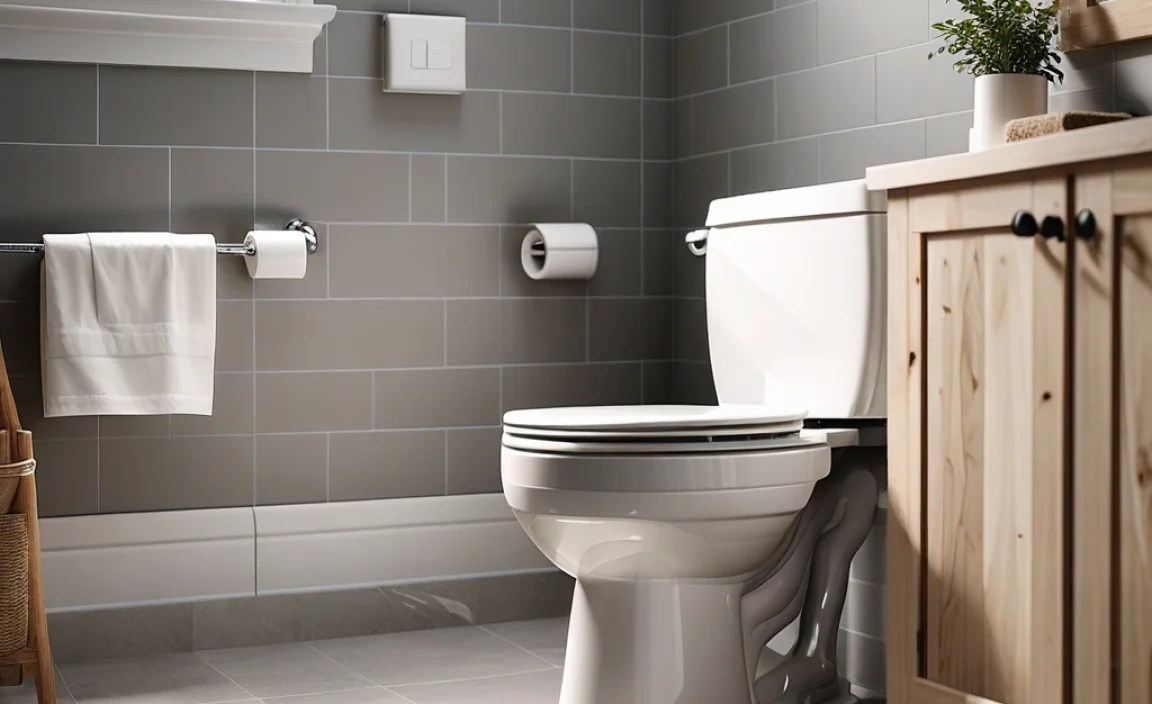
Installing a toilet can seem hard, but it’s easier than you think! Start by turning off the water supply. Next, remove the old toilet carefully. Make sure to prepare your new toilet by checking for any missing parts. Use a wax ring to create a seal on the new toilet. Bolt it down tightly to avoid leaks. Finally, connect the water supply and turn it back on. Did you know? Most toilet issues come from poor installation! Following these tips can save you time and trouble.
Choosing the Right Toilet

Factors to consider: style, size, and efficiency. Understanding different types of toilets: onepiece vs. twopiece.
Picking the right toilet is important for your home. Think about its style, size, and efficiency. A toilet can really change a bathroom’s look. Here are some points to consider:
- Style: Choose a design that fits your bathroom.
- Size: Make sure it fits well in the space.
- Efficiency: Look for water-saving models.
There are two main types of toilets: one-piece and two-piece.
- One-piece: They are sleek and easier to clean.
- Two-piece: They are common and often less expensive.
Choosing wisely makes your bathroom functional and stylish!
What factors should I consider when choosing a toilet?
Consider style, size, and efficiency when choosing a toilet. These factors affect both appearance and performance in your bathroom.
Tools and Materials Needed
Essential tools: wrench, level, caulk, etc.. Necessary materials: wax seal, tank bolts, and shutoff valve.
Before diving into your toilet installation adventure, gather your trusty tools and materials. Essential tools include a wrench for tightening bolts, a level to ensure your throne is perfectly aligned, and some caulk to seal everything up tight. Don’t forget the necessary materials like a wax seal to keep odors at bay, tank bolts to hold things in place, and a shutoff valve to manage water flow. With these in hand, you’ll be ready to tackle your project!
| Tools | Materials |
|---|---|
| Wrench | Wax Seal |
| Level | Tank Bolts |
| Caulk | Shutoff Valve |
Preparing the Installation Area
Steps for removing the old toilet correctly. Importance of cleaning and inspecting the floor flange.
Start by carefully removing the old toilet. First, turn off the water supply. Next, flush the toilet to empty the tank. Disconnect the water line and unscrew the toilet from the floor. Gently lift it off and set it aside. After that, check the floor flange. Clean it well and look for damage. A good flange makes sure your new toilet sits right.
How do I remove an old toilet?
1. Turn off the water supply.
2. Flush the toilet to empty it.
3. Disconnect the water line.
4. Unscrew the toilet and lift it off.
Why is cleaning the floor flange important?
Cleaning the floor flange ensures a proper seal, preventing leaks and future problems.
Step-by-Step Toilet Installation Process
Detailed instructions for installing the wax seal. Proper alignment and securing the toilet to the flange.
Installing a toilet may sound tricky, but it can be fun! First, grab a wax seal. This helps to create a tight fit, preventing leaks. Simply place the seal on the toilet flange—it’s like giving the toilet a warm hug! Make sure it’s flat and not too squished! Next, lift the toilet and carefully align it with the flange. It’s like playing a game of Twister, but for toilets! Once aligned, press down firmly and secure it with bolts. Tighten them gently; no one likes a toilet with a headache!
| Step | Action |
|---|---|
| 1 | Place wax seal on the flange |
| 2 | Lift and align the toilet |
| 3 | Press down and tighten bolts |
Connecting the Water Supply
How to safely connect the tank to the water supply line. Tips on checking for leaks after installation.
First, grab that water supply line like it’s a long-lost friend! Connect it to the tank carefully, making sure everything fits snugly. No one likes a leaky surprise, right? Once you’re done, turn on the water and watch for leaks like a hawk. A tiny drip could lead to a big splash later! If you find one, feel free to let out a groan and tighten those fittings. Happy plumbing!
| Tip | Action |
|---|---|
| Use Teflon tape | Wrap threads to prevent leaks |
| Check connections | Ensure they’re tight and stable |
| Look for puddles | Inspect area after filling tank |
Testing the Installation
Steps to ensure the toilet is functioning properly. Common troubleshooting tips for potential issues.
After you’ve attached the toilet, it’s time for a little test drive! Start by flushing and watching what happens. The water should go down, and there shouldn’t be any leaks. If water is dancing around the base, you might need to tighten some bolts or check seals. Below is a handy table to help you troubleshoot common issues:
| Issue | Solution |
|---|---|
| No Flushing | Check if the tank refills. If not, inspect the water supply. |
| Leaking Base | Tighten the bolts or replace wax ring. |
| Running Toilet | Adjust the flapper or inspect the chain for tangles. |
Remember, if you’ve fixed the toilet but it still behaves like a drama queen, calling a plumber might be your best bet. Even the best DIYers need help sometimes!
Post-Installation Care and Maintenance
Best practices for maintaining your new toilet. Signs that indicate a need for repairs or adjustments.
To keep your new toilet happy, follow some simple care tips. First, clean it regularly with a soft brush. Avoid harsh chemicals—they’re like a bad haircut! Look out for signs like constant running water or leaks. If you hear a gurgling noise, your toilet might need some love. Check the flush handle; it shouldn’t stick. Remember, a well-cared-for toilet can save you from unexpected messes and drama!
| Signs of Trouble | What to Do |
|---|---|
| Running water | Check the flapper valve |
| Frequent clogging | Try a plunger or inspect the pipes |
| Unpleasant odors | Inspect seals and gaskets |
Conclusion
In conclusion, installing a toilet can be easy with the right tips. Measure your space carefully and gather all tools first. Always check for leaks after installation. If you feel unsure, don’t hesitate to ask for help. We encourage you to explore more guides for extra tips! Happy installing, and enjoy your new bathroom!
FAQs
What Are The Essential Tools And Materials Needed For A Successful Toilet Installation?
To install a toilet, you need some important tools and materials. You’ll want a wrench to tighten things. A screwdriver helps with screws. A level makes sure the toilet is straight. You’ll also need a new toilet, wax ring, and some bolts. Don’t forget the toilet seat too!
How Do You Properly Prepare The Area Before Installing A New Toilet?
Before you install a new toilet, you should first turn off the water. Then, use a sponge to soak up any water left in the old toilet. Next, unscrew and remove the old toilet carefully. Finally, clean the floor where the new toilet will go. This makes sure everything is ready for the new toilet!
What Steps Should Be Followed To Ensure A Leak-Free Toilet Installation?
To install a toilet without leaks, start by turning off the water. Next, put a new wax seal on the toilet base. Carefully place the toilet on the seal and secure it with bolts. Connect the water supply line and turn the water back on. Finally, check for leaks by flushing the toilet and looking around it.
How Can You Determine The Right Height And Position For Installing A Toilet?
To find the right height for a toilet, stand next to it. The seat should feel comfortable when you sit down. Most toilets are about 15 to 17 inches tall. For position, make sure it’s close to where pipes are. Check if there’s enough space to move around it easily.
What Common Mistakes Should Be Avoided During The Toilet Installation Process?
When installing a toilet, avoid these common mistakes. First, make sure you use the right tools for the job. If you forget to use a wax ring, the toilet can leak. Also, don’t rush and check that everything is tightened properly. Finally, remember to test the toilet for leaks after you finish!
