
In plumbing, a trap is a U-shaped pipe fitting that holds water to block sewer gases. A drain is simply the opening or pipe that carries wastewater away. Understanding this difference is key to preventing foul odors and ensuring proper plumbing function in your home.
Ever notice an odd smell coming from your sinks or drains? It’s a common, and often frustrating, home issue! Many homeowners wonder about the difference between a plumbing trap and a drain, especially when they’re trying to fix a smelly situation or understand their home’s systems. Don’t worry, it’s not as complicated as it sounds.
We’re here to break down exactly what traps and drains are, why they’re important, and how they work together to keep your home fresh and your plumbing running smoothly. Get ready to gain some serious DIY confidence as we explore this essential plumbing distinction!
Understanding Your Home’s Plumbing: Traps vs. Drains

Let’s dive into the nitty-gritty of your home’s plumbing system. While the terms “trap” and “drain” might sound similar, they play very different, yet equally crucial, roles in keeping your home functional and sanitary. Think of them as partners working 24/7 to whisk away wastewater and prevent unpleasant odors from creeping back into your living space. As your go-to guide for all things home maintenance, I want to make sure you feel completely comfortable understanding these components so you can tackle any minor issues with confidence.
What is a Plumbing Drain?
At its simplest, a drain is the opening or channel designed to carry water and waste away from a fixture, like a sink, shower, or toilet. It’s the entry point for wastewater into your home’s drainage system. You see it every day: the little holes at the bottom of your sink, the opening in your shower floor, or the grate over a floor drain in your basement or laundry room. These are all parts of your drainage system.
The primary function of a drain is to allow water to flow freely out of your home and into the broader sewage or septic system. When you pull the plug in your sink, you’re allowing water to enter the drainpipe. Without drains, water from dishes, showers, or any other source would just pool up, which is obviously not ideal!
Types of Drains:
- Fixture Drains: These are the drains directly attached to plumbing fixtures like sinks, bathtubs, and showers. They often have stoppers or strainers.
- Floor Drains: Commonly found in basements, garages, laundry rooms, and bathrooms, these are openings in the floor connected to the drainage system, designed to handle spills or excess water.
- Gutter Drains (or Downspout Extensions): While technically part of your home’s exterior water management, these carry rainwater away from your foundation and are a type of drain.
What is a Plumbing Trap?
Now, let’s talk about the unsung hero of your plumbing system: the trap. You’ve probably seen them. They’re typically the curved or U-shaped section of pipe located directly beneath your sink or shower drain. But why the funny shape? That curve is the secret to its magic!
The specific shape of a trap is designed to intentionally hold a small amount of water. This trapped water acts as a seal, creating a barrier between the inside of your home and the sewer pipes. Without this water seal, noxious sewer gases (which can contain methane, hydrogen sulfide, and other unpleasant and potentially harmful compounds) would be able to travel back up through the drain and into your home, causing that tell-tale “rotten egg” or putrid smell.
Common Types of Plumbing Traps:
- P-Trap: This is the most common type, found under sinks and tubs. It looks like a sideways “P” with a dip in the middle where water collects.
- S-Trap: Less common nowadays due to building codes, an S-trap (shaped like an “S”) also holds water but can be prone to siphoning issues, where the water seal is accidentally removed.
- U-Bend/Trap: This is the basic U-shaped piece that forms the core of most P-traps and some other configurations.
- Drum Trap: An older type, often found in bathtubs, which is a larger cylindrical device that can act as both a trap and a sediment collector.
- Integral Traps: Some fixtures, like certain toilets or floor drains with built-in strainers, have the trap incorporated directly into their design.
The Crucial Relationship: How Traps and Drains Work Together

The drain and the trap are a team. The drain is the gateway for wastewater to enter the plumbing system, and the trap is the guardian that ensures nothing unpleasant comes back out. When you run water in your sink, it flows down the drain. As the water exits the fixture, it passes through the drain opening and into the trap. The water then fills the curved section of the trap, creating that essential water seal. Once the trap is full, the excess water and waste continue to flow down the rest of the drainpipe and out of your home.
It’s a simple yet genius system. The continuous flow of water from your fixtures helps to flush out the trap and prevent debris from accumulating. However, if a fixture isn’t used for a long time (like in a guest bathroom or a vacation home), the water in the trap can evaporate, breaking the seal and allowing those sewer gases to escape. This is why you might notice a smell from a rarely used toilet or sink.
Understanding this dynamic is fundamental for any homeowner. It explains why a dry or empty trap causes stinky issues and how regular use of your plumbing fixtures is actually part of their maintenance!
Why is the Water Seal So Important?
The water seal in a plumbing trap is arguably the most critical component of your entire drainage system for maintaining a healthy living environment. Municipal sewage systems and individual septic tanks are designed to handle waste, but they also produce gases as a byproduct of decomposition. These gases are heavier than air and can seep back into your home if there isn’t a proper barrier.
The water trapped in the U-bend of your P-trap (or similar trap types) creates this barrier. It’s a physical blockade that gases cannot pass through. If this seal is broken – either by evaporation, siphoning (where negative pressure pulls the water out), or a lack of use – the sewer gases are free to enter your home. These gases aren’t just unpleasant; they can pose health risks. Hydrogen sulfide, for example, can be toxic in high concentrations and has a characteristic rotten egg smell. Methane is flammable. Therefore, maintaining this water seal is paramount for both comfort and safety.
The modern plumbing codes in the United States, as outlined by organizations like the International Code Council (ICC), mandate the use of traps with their water seals on all fixtures connected to a drainage system. This highlights the universally recognized importance of this simple plumbing feature.
Common Plumbing Problems Related to Traps and Drains

While plumbing is generally reliable, issues can arise, and they often center around the trap or drain. Understanding these common problems can help you diagnose issues and know when to call a professional.
Clogged Drains
This is perhaps the most frequent plumbing complaint. Hair, soap scum, grease, food particles, and small objects can accumulate over time and block the flow of water. A clog can happen anywhere in the drainpipe, but it often starts within the trap itself because of its shape and proximity to the fixture.
Signs of a Clogged Drain:
- Slow-draining water
- Gurgling sounds from the drain
- Water backing up into the fixture
- Unpleasant odors (sometimes indicating an early or partial clog)
Foul Odors (The Smelly Drain Mystery)
As we’ve discussed, foul odors are usually a sign of a compromised water seal in the trap. This can happen due to:
- Evaporation: If a fixture isn’t used for a while, the water in the trap can evaporate.
- Siphoning: Improper venting in a plumbing system can create negative pressure that sucks water out of the trap.
- Cracked or Damaged Trap: A physical defect in the trap can prevent it from holding water.
- Debris Buildup: Sometimes, a significant buildup of gunk in the trap can create its own smell, even with a water seal present.
Leaking Traps
The joints and seals in any plumbing fitting can degrade over time or become loose. A leaking trap is often indicated by water collecting under the sink. This is a common DIY fix, usually involving tightening connections or replacing worn-out washers.
Dry Traps
This occurs when the water seal is gone. The most common cause is lack of use. If you find a dry trap, the solution is simple: run water for a minute or two to refill the trap and re-establish the seal.
DIY vs. Professional: When to Tackle Trap and Drain Issues

As a DIY enthusiast, you’ll likely encounter situations where you can confidently handle the job yourself. However, it’s crucial to know your limits and when to call in a professional plumber. Safety and preventing further damage are always the top priorities.
DIY-Friendly Tasks:
- Refilling a Dry Trap: Simply run water in the fixture for a minute.
- Clearing Minor Clogs: Using a plunger, a drain snake (auger), or a natural drain cleaner (like baking soda and vinegar).
- Tightening Leaky Trap Connections: Usually involves a pipe wrench and checking slip-joint washers.
- Cleaning Visible Debris: Removing hair from a sink strainer or shower drain.
For these tasks, you’ll want a few basic tools:
- Plunger: Essential for creating suction to dislodge clogs.
- Drain Snake/Auger: A flexible cable to physically break up or pull out stubborn clogs.
- Bucket: To catch water when working under a sink.
- Pipe Wrench: For tightening or loosening threaded pipe fittings.
- Gloves and Safety Glasses: Always protect yourself.
When to Call a Professional Plumber:
- Persistent or Severe Clogs: If plungers and snakes don’t work, the clog might be deeper in the system.
- Sewage Backups: This indicates a serious problem that requires immediate professional attention.
- Major Leaks: Especially if you can’t identify the source or it’s beyond a simple joint tightening.
- Suspected Venting Issues: Gurgling sounds after water runs, or frequent dry traps in multiple fixtures, can point to venting problems.
- Damaged Pipes or Traps: If you find cracked or corroded sections.
- Any job that makes you feel uncomfortable or unsure.
Plumbers have specialized tools and expertise to diagnose and fix complex issues safely and efficiently. They can also ensure that any repairs meet current building codes.
Practical Steps: Clearing a Clogged P-Trap (DIY Guide)
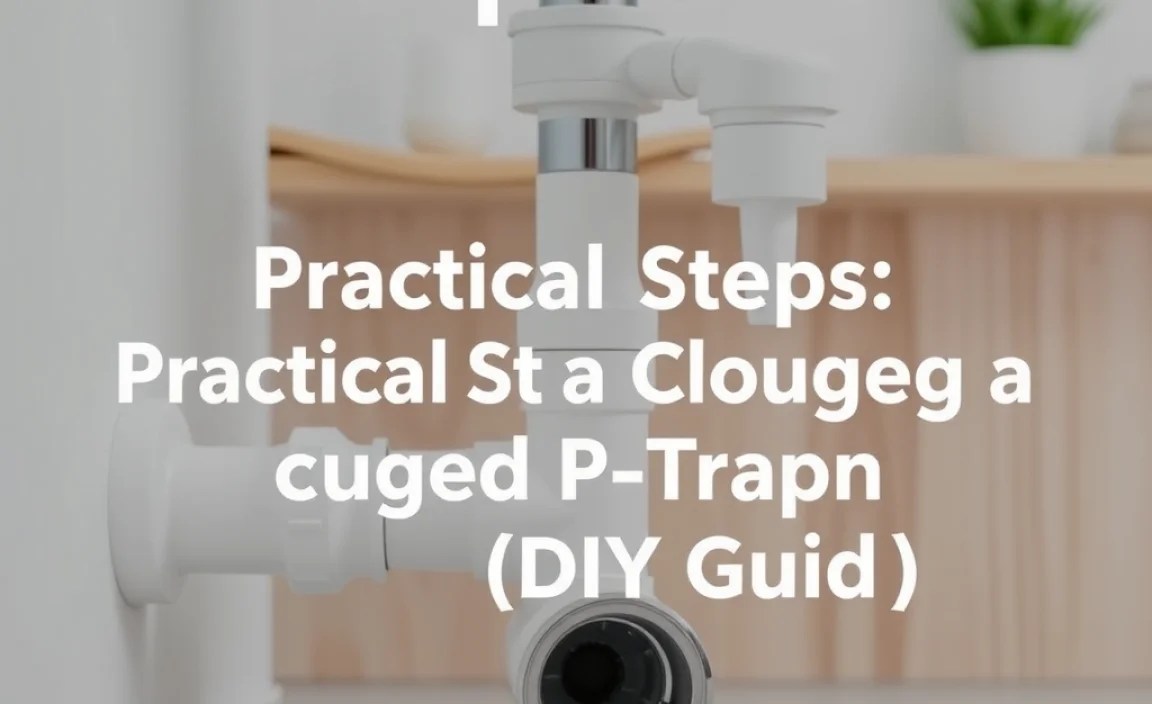
Many sink clogs are located right in the P-trap. This is often the first place to look when water isn’t draining properly. Here’s how to safely clear it:
Tools You’ll Need:
- Bucket
- Pipe Wrench
- Gloves and Safety Glasses
- Old Rags or Towels
- Drain Snake or Wire Hanger (optional, for stubborn debris)
Step-by-Step Instructions:
- Prepare the Area: Place a bucket directly under the P-trap to catch any water and debris that will spill out. Lay down old rags around the base of the sink cabinet.
- Loosen the Slip Nuts: The P-trap is usually held in place by two large, threaded plastic or metal nuts called slip nuts. These are often hand-tightenable, but you might need a pipe wrench. Turn the nut closest to the wall counter-clockwise to loosen it from the horizontal tailpiece coming from the sink. Then, loosen the nut connecting the P-trap to the vertical pipe going into the wall. Be gentle, especially with plastic fittings.
- Remove the P-Trap: Once the nuts are loosened, carefully maneuver the P-trap downwards and away from both pipes. Empty its contents into the bucket.
- Inspect and Clean the Trap: Look inside the trap for any visible obstructions like hair, soap scum, or food particles. Use a brush, a straightened wire hanger, or a drain snake to remove any debris. Rinse the trap thoroughly with water.
- Check the Connecting Pipes: Briefly inspect the openings of the pipes you disconnected the trap from. If you see debris there, try to dislodge it carefully with a snake or hanger.
- Reassemble the Trap: Realign the P-trap with the pipes. Hand-tighten the slip nuts first. Ensure the washers are properly seated.
- Tighten the Slip Nuts: Once hand-tight, use the pipe wrench to give each nut another quarter to half turn. Do not overtighten, as this can crack plastic fittings or strip threads, leading to leaks. The goal is snug, not forced.
- Test for Leaks: Run water through the sink slowly at first, checking all the connections you tightened for any drips. Gradually increase the water flow and continue to monitor for leaks. If you find a leak, try tightening the nut slightly more. If a leak persists, you may need to inspect the washers for damage or ensure the trap is perfectly aligned.
If the clog persists after clearing the P-trap, the obstruction is likely further down the line, and you may need a longer drain snake or professional assistance.
Comparing Trap and Drain Performance and Maintenance
To help solidify the differences and their maintenance needs, let’s look at a comparative table. This highlights their distinct functions and how you might interact with them.
| Feature | Plumbing Drain | Plumbing Trap |
|---|---|---|
| Primary Function | Allows wastewater to enter the plumbing system. | Holds water to create a seal, blocking sewer gases. |
| Location | Opening on a fixture (sink, shower) or in a floor. | Curved pipe fitting located after the drain opening and before the main drainpipe. |
| Visible Part | The opening, grate, or strainer. | Often visible under sinks; part of the pipework. |
| Common Issues | Clogs due to debris, blockage. | Dry traps (evaporation), leaks at joints, siphoning, debris buildup within the trap. |
| DIY Maintenance | Clearing minor clogs with plungers/snakes, cleaning strainers. | Refilling dry traps, tightening minor leaks, cleaning out the trap itself. |
| Professional Needed For | Deep clogs, sewage backups, pipe degradation. | Persistent leaks, suspected siphoning/venting issues, damaged traps. |
| Material Examples | Stainless steel, ceramic, PVC, cast iron. | PVC, brass, cast iron. |
Ensuring Proper Plumbing Function: Venting and Beyond
While traps are vital for blocking gases, their effectiveness relies on a well-designed plumbing system, particularly proper venting. Vent pipes are essentially air passages that allow air to enter your drainage system. This prevents vacuum pressure from forming, which could otherwise siphon the water out of your traps.
Think of it like drinking through a straw. If you don’t let air into the straw (venting), it becomes difficult to draw liquid up. Similarly, in plumbing, vents allow air in to ensure smooth water flow and maintain the water seal in your traps. You can often see vent pipes protruding from your roof.
If your drains gurgle excessively or your traps are constantly drying out despite regular use, it might indicate a venting problem. A robust plumbing system relies on the coordinated effort of drains, traps, and vents, all working in harmony. For more on plumbing system design, resources like EPA guides on water distribution systems can offer insights into the complexity and design considerations.
Frequently Asked Questions (FAQ)
Q1: What’s the main difference between a drain and a trap?
A1: A drain is the opening or pipe that lets wastewater flow out of your fixture. A trap is the U-shaped pipe fitting below the drain that holds water to create a seal and stop sewer gases from entering your home.
