
Choosing the right toilet type for your home is simple with this beginner’s guide. We’ll break down the most common options, like one-piece, two-piece, and tankless toilets, explaining their features, pros, and cons to help you make a confident, informed decision for your bathroom upgrade or replacement.
Navigating the world of toilets can feel surprisingly complicated when you’re new to home upkeep. With so many options available, understanding the differences between them – from how they’re built to how they flush – can be a real head-scratcher. But don’t worry! Making the right choice is easier than you think. This guide is designed to demystify toilet types, making it clear and simple. We’ll walk you through the essentials, so you can confidently pick the perfect toilet for your needs.
Understanding the Basics: What Makes a Toilet Tick?

Before we dive into the different types, let’s quickly cover the main parts of a standard toilet. Knowing these components will help you understand why certain toilets are built the way they are and how they function.
- Tank: This is the upper reservoir that holds water. When you flush, the tank empties into the bowl.
- Bowl: This is where waste collects before being flushed away.
- Trapway: This is the S-shaped or P-shaped channel at the bottom of the bowl. It holds a small amount of water, creating a seal that prevents sewer gases from entering your bathroom.
- Lid and Seat: The top cover and the ring you sit on.
- Flush Mechanism: The internal parts within the tank that control the flushing process (e.g., flapper, fill valve, flush handle).
- Water Supply Line: The hose that connects your toilet to the water shut-off valve.
The Most Common Types Of Toilet For Beginners

When shopping for a new toilet, you’ll primarily encounter a few main configurations. Each has its own advantages and considerations, making them suitable for different situations and preferences. Let’s break them down.
1. Two-Piece Toilets
The two-piece toilet is the most traditional and widely used type. As the name suggests, it comes in two separate pieces: the tank and the bowl. These are manufactured and shipped individually and then bolted together during installation.
How they work: The tank sits on top of the bowl and is connected via bolts and a rubber gasket. When you flush, water rushes from the tank into the bowl, pushing waste through the trapway and into the drainpipe.
Pros:
- Affordability: Generally the most budget-friendly option.
- Ease of Installation: Because the pieces are smaller and lighter, they are often easier for DIYers to handle and install compared to one-piece units.
- Easier Repairs: If one part (either the tank or the bowl) breaks, you can often replace just that single component, which can be more cost-effective for repairs.
- Wide Availability: You’ll find a vast selection of styles, colors, and brands.
Cons:
- More Seams: The connection point between the tank and bowl can be a place where dirt and grime accumulate, potentially requiring more cleaning.
- Potential for Leaks: While usually reliable, the gasket between the tank and bowl is a potential leak point over time if not properly sealed or maintained.
Best for: Budget-conscious homeowners, those who prefer easier individual part replacement, and anyone looking for a straightforward, well-understood plumbing solution.
2. One-Piece Toilets
The one-piece toilet is designed as a single, integrated unit where the tank and bowl are molded together. This creates a sleeker, more modern look.
How they work: Functionally, they operate identically to two-piece toilets. The water is stored in the integrated tank, and flushing moves it into the bowl.
Pros:
- Sleek Design: They offer a cleaner, more contemporary aesthetic due to the absence of seams.
- Easier to Clean: With fewer nooks and crannies, a one-piece toilet is generally simpler and quicker to wipe down.
- Durability: Since there are no bolts connecting the tank to the bowl, there’s no risk of leaks at that specific joint.
- Space Saving: Often a bit more compact than two-piece toilets, which can be beneficial in smaller bathrooms.
Cons:
- Higher Cost: Typically more expensive than comparable two-piece models.
- Heavier to Install: The single, integrated unit is heavier, which can make it more challenging for a beginner to maneuver and install.
- More Complex Repairs: If a significant part of the unit fails (e.g., a crack in the ceramic), the entire toilet might need to be replaced, as the tank and bowl cannot be separated.
Best for: Those seeking a modern look, easier overall cleaning, and willing to invest a bit more for durability and aesthetics.
3. Wall-Hung (Wall-Mounted) Toilets
These toilets are mounted directly to the wall, with the tank typically concealed within the wall cavity or a pre-fabricated housing. They are designed to save space and create a minimalist, modern bathroom appearance.
How they work: The flushing mechanism is often behind a decorative panel, and the bowl appears to float. The water supply and drain connect through the wall.
Pros:
- Space Efficiency: They are excellent for small bathrooms as they free up floor space.
- Easy Floor Cleaning: The open space underneath makes cleaning the bathroom floor incredibly simple.
- Modern Aesthetic: They provide a very clean, high-end, and contemporary look.
- Adjustable Height: Can often be installed at custom heights for accessibility.
Cons:
- Complex Installation: Installation is significantly more involved, often requiring structural support within the wall and specialized plumbing. This is rarely a DIY project for beginners.
- Higher Cost: Both the unit itself and the installation are generally more expensive.
- Difficult Repairs: Accessing the internal components for repairs means opening up the wall, which is costly and time-consuming.
Best for: Modern renovations, very small bathrooms where space is at a premium, and those prioritizing a high-end, minimalist look. Generally not a beginner’s DIY choice for installation.
4. Corner Toilets
As the name suggests, corner toilets are designed to fit into a corner of the bathroom. They typically have a triangular-shaped tank that tucks neatly into the corner where two walls meet.
How they work: They function like standard two-piece toilets, but their shape is optimized for saving space in awkward layouts.
Pros:
- Space Saving in Specific Layouts: Can be an excellent solution for bathrooms with unusual shapes or where using a corner maximizes usable space.
- Unique Aesthetic: Offers a distinct look that can suit certain design styles.
Cons:
- Limited A’elections: Far fewer models and styles are available compared to standard toilets.
- Installation Can Be Tricky: Fitting them precisely and ensuring a good seal against the wall can require careful alignment.
- Potential for Dust Traps: The space between the tank and the walls can accumulate dust, making cleaning a bit more involved.
Best for: Very small bathrooms or bathrooms with challenging layouts where a corner installation is the most practical way to fit a toilet.
5. High-Efficiency Toilets (HETs)
This isn’t a distinct physical type like one-piece or two-piece, but rather a performance category that applies to many toilet designs. HETs are engineered to use significantly less water per flush than older models. They are often measured by their WaterSense label, indicating they use 1.28 gallons per flush (GPF) or less, saving at least 20% compared to the standard 1.6 GPF.
How they work: HETs achieve their efficiency through optimized trapway designs, advanced flushing technologies (like dual-flush or pressure-assist systems), and carefully engineered bowls. The goal is to use less water while still providing effective waste removal.
Pros:
- Water Savings: Significantly reduces water consumption, leading to lower utility bills and environmental benefits.
- Rebates and Incentives: Many local water utilities offer rebates for installing WaterSense-certified toilets.
- Effective Flushing: Modern HETs are designed to flush powerfully despite using less water.
Cons:
- Initial Cost: Can sometimes be slightly more expensive upfront than non-HET models, though rebates can offset this.
- Potential for Clogging (Older Designs): Early HET designs sometimes struggled with very low water volumes, but this is much less common with current models.
Best for: Environmentally-conscious homeowners, those looking to reduce utility bills, and residents in areas with water restrictions or higher water costs. You’ll find HET technology incorporated into both one-piece and two-piece models.
6. Tankless Toilets (Direct-Plumbed Toilets)
Tankless toilets are a less common, more specialized option that doesn’t have a traditional tank. Instead, they connect directly to the water supply line and use a higher water pressure to flush.
How they work: They rely on a direct, high-pressure water connection from your plumbing system. When the flush is activated, a strong burst of water from the main supply rushes into the bowl to clear waste.
Pros:
- Space Saving: Their compact design saves considerable space.
- Modern Look: Offers a very sleek and minimalist appearance.
- Water Pressure Dependency: Can offer very powerful flushes if water pressure is adequate.
Cons:
- Requires High Water Pressure: They need sufficient, consistent water pressure to function effectively. Many residential plumbing systems may not meet the minimum requirements.
- More Complex Plumbing: Installation can be more complicated and may require professional plumbing expertise.
- Higher Cost: Generally more expensive than traditional tank toilets.
- Limited Options: Not as widely available as standard toilets.
Best for: Commercial spaces, modern minimalist homes where water pressure is guaranteed to be high, or specific design projects. Usually not a first choice for beginners in a residential setting unless their plumbing is specifically suited.
Key Features to Consider for Any Toilet Type

Beyond the basic construction (one-piece vs. two-piece), there are other features that can influence your choice. These are especially important for beginners to understand what they’re looking for.
Flush Mechanism: Single vs. Dual Flush
Single Flush: This is the standard, where one handle or button activates a full flush designed to clear all waste. It’s simple and familiar.
Dual Flush: These toilets have two options: a lower volume flush for liquid waste and a higher volume flush for solid waste. They are excellent for saving water. You might see two buttons on top of the tank or a lever with two distinct positions.
Advantages of Dual Flush: Significant water savings over time, reducing your water bill and environmental impact.
Considerations: Slightly more complex mechanism, but generally reliable and easy to use once you get the hang of it.
Bowl Shape: Elongated vs. Round
Round Bowls: These are more compact and can be a good choice for smaller bathrooms where space is limited. They are perfectly functional for most users.
Elongated Bowls: These bowls are oval-shaped and offer more seating surface area. Many people find them more comfortable. They usually require a bit more space in front.
Recommendation: For most adults, an elongated bowl offers superior comfort. If you have a very small bathroom, a round bowl might be necessary. Measure your space before deciding.
Height: Standard vs. Comfort Height (Right Height)
Standard Height: Typically around 14.5 to 15 inches from the floor to the top of the seat rim. This is the traditional toilet height.
Comfort Height (or Right Height): These toilets are taller, usually around 17 to 19 inches from the floor to the top of the seat rim. This height is closer to that of a standard chair, making it easier for many people, especially the elderly or those with mobility issues, to sit down and stand up.
Recommendation: If you or anyone in your household experiences difficulty standing up from lower seats, or if you simply prefer the ease of a taller toilet, opt for a comfort height model. It’s a small change that can make a big difference in daily comfort.
Comparing Toilet Types: A Quick Reference
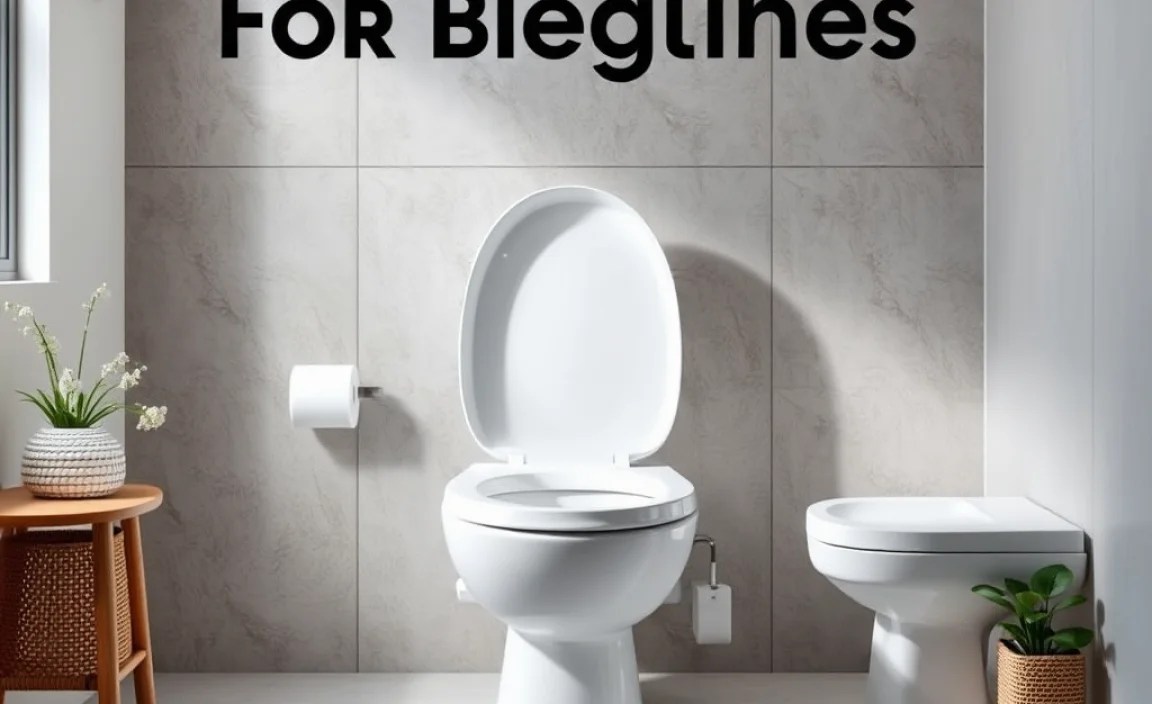
To help you visualize the differences, here’s a table comparing the most common types of toilets at a glance.
| Toilet Type | Construction | Cost (Typical) | Installation Difficulty (DIY Beginner) | Cleaning Simplicity | Space Efficiency | Aesthetic |
|---|---|---|---|---|---|---|
| Two-Piece | Tank and bowl are separate and bolted together. | Low | Moderate | Moderate (seam requires cleaning) | Standard | Traditional |
| One-Piece | Tank and bowl are a single integrated unit. | Medium | Moderate to Difficult (heavier) | High (fewer seams) | Good (often more compact) | Modern/Sleek |
| Wall-Hung | Bowl mounts to wall; tank is hidden. | High | Very Difficult (professional recommended) | Very High (easy floor access) | Very High (saves floor space) | High-End/Minimalist |
| Corner | Tank is triangular to fit corners. | Medium | Moderate (requires precise fitting) | Moderate (dust in corners) | High (for specific layouts) | Functional/Unique |
| Tankless | No tank; uses direct water pressure. | High | Difficult (requires specific plumbing) | High | Very High (compact) | Sleek/Minimalist |
