
Can’t unclog pipes fast? Try a genius DIY solution using common household items! This guide offers simple, effective methods to clear drain blockages quickly and safely, saving you time and money on plumbing calls.
Dealing with a clogged pipe is a common, frustrating household problem. Water backing up, slow drains, or unpleasant odors can disrupt your day. Don’t worry! You don’t always need a plumber. This guide will show you several genius, beginner-friendly ways to unclog pipes fast using simple tools and common household items. We’ll break down each method with easy steps so you can tackle that clog with confidence.
Unclog Pipes Fast: Your Go-To DIY Guide

A stubborn clog can feel like a major crisis, but with the right knowledge, it’s usually a manageable DIY fix. This article isn’t just about clearing a blockage; it’s about empowering you with the skills and confidence to handle common home maintenance issues. We’ll cover everything from simple, natural solutions to slightly more involved, yet still easy, techniques. Get ready to say goodbye to clogged pipes!
What Causes Clogged Pipes? Understanding the Culprits
Before we dive into the solutions, it’s helpful to understand why pipes get clogged in the first place. Knowing the common culprits can help prevent future blockages.
- Kitchen sinks: Often clogged by grease, oil, food scraps, coffee grounds, and even small utensils. Grease solidifies in the pipes, trapping other debris.
- Bathroom sinks and showers: Hair is the biggest offender here, often combining with soap scum to form tough blockages. Small items like toothpaste caps or jewelry can also cause issues.
- Toilets: Usually clogged by too much toilet paper, non-flushable items (like wet wipes – even those labeled “flushable” can cause problems!), or foreign objects.
- Washing machines: Lint buildup from clothes, detergent residue, and sometimes small items that fall out of pockets can lead to clogs.
Understanding these common causes is the first step in preventing future headaches. Regular preventative maintenance, like using drain strainers and avoiding pouring grease down the sink, can make a big difference.
The Genius Solutions: How to Unclog Pipes Fast

Let’s get to the good stuff! Here are several effective methods to unclog your pipes quickly. We’ll start with the easiest and most natural solutions and move to slightly more robust methods if the clog is stubborn.
Method 1: The Boiling Water Flush (For Grease and Soap Scum)
This is often the simplest and most effective first step for kitchen sink clogs caused by grease. Boiling water can melt away solidified grease and flush out minor blockages.
What You’ll Need:
- A kettle or pot
- Water
Step-by-Step Instructions:
- Boil water: Fill a kettle or pot with water and bring it to a rolling boil.
- Pour carefully: Slowly and carefully pour the boiling water directly down the drain. Do this in stages, pouring about a third of the water, waiting a few seconds, and then pouring the rest.
- Wait and test: Let the water work for a few minutes. Then, try running hot tap water to see if the drain has cleared.
Tips for Success:
- This method is best for clogs caused by grease or soap scum.
- Avoid using boiling water if you have PVC pipes that are very old or appear degraded, as extreme heat could potentially weaken them. Consult your plumbing system’s specifications if unsure.
- If the first attempt doesn’t completely clear the clog, you can repeat the process a second time.
Method 2: The Baking Soda and Vinegar Power Duo (Natural Fizz)
This classic DIY cleaning and unclogging method relies on a chemical reaction between baking soda (a base) and vinegar (an acid) to create a fizzing action that can dislodge clogs. It’s safe for most pipes and environmentally friendly.
What You’ll Need:
- 1 cup baking soda
- 1 cup white vinegar
- A kettle or pot for hot (not boiling) water
- A drain stopper or rag
Step-by-Step Instructions:
- Clear standing water: If possible, remove as much standing water from the sink or tub as you can. A cup or small bucket works well for this.
- Pour baking soda: Pour the cup of baking soda directly down the drain. Try to get as much as possible to go down the pipe itself, not just sit on the drain cover.
- Add vinegar: Immediately follow the baking soda with the cup of white vinegar. You’ll hear and see a fizzing reaction.
- Cover the drain: Quickly cover the drain opening with a stopper or a rag to keep the fizzing action contained within the pipes where it can do its work.
- Let it sit: Allow the mixture to work for at least 30 minutes, or even up to an hour for tougher clogs.
- Flush with hot water: Remove the stopper/rag and flush the drain with a pot of hot (not boiling) tap water or water that has been heated in a kettle.
- Test the drain: Run hot tap water to see if the clog has cleared.
Pros and Cons:
| Pros | Cons |
|---|---|
| Natural and non-toxic | May not work on very stubborn or solid clogs |
| Inexpensive ingredients | Requires a bit of waiting time |
| Safe for most pipe types | The smell of vinegar can be strong for some |
| Environmentally friendly | Less effective on heavy grease buildup compared to boiling water |
Method 3: The Plunger Power Play (Mechanical Force)
A plunger is a classic tool for a reason. It uses pressure and suction to dislodge clogs. Not all plungers are created equal; a flat-bottomed cup plunger is best for sinks and tubs, while a flange plunger (with an extra flap) is better for toilets.
What You’ll Need:
- A cup plunger (for sinks/tubs) or flange plunger (for toilets)
- Petroleum jelly or oil (optional, for seal)
- A rag or stopper
- A bucket or wet/dry vacuum (optional, for dealing with messy water)
Step-by-Step Instructions:
- Create a seal: Ensure there’s enough water in the sink or tub to cover the rubber cup of the plunger. This creates a crucial seal. If the drain is completely dry, add a few inches of water. For a better seal, you can lightly coat the rim of the plunger cup with petroleum jelly orcooking oil.
- Position the plunger: Place the plunger directly over the drain opening, ensuring it completely covers it.
- Plunge vigorously: Push down and then pull up sharply. You want to create both pressure and suction. Repeat this plunging motion 15-20 times. The key is a strong up-and-down motion, not just pushing.
- Break the seal: After several vigorous plunges, quickly pull the plunger up to break the seal.
- Check the drain: See if the water starts to drain. You might hear a gurgling sound as the clog is dislodged.
- Repeat if necessary: If the drain is still slow or clogged, repeat the plunging process.
- Flush with hot water: Once the water starts draining, run hot tap water for a few minutes to clear any remaining debris.
Important Note:
If you’re using a plunger on a double-sink, make sure to block the other drain opening with a wet rag or stopper while you plunge the clogged side. This ensures the pressure is directed towards the clog.
Method 4: The Wire Hanger or Drain Snake (Manual Removal)
For clogs located closer to the drain opening, such as hair in a shower drain, a bent wire hanger or a simple drain snake can manually pull out the obstruction.
What You’ll Need:
- A wire coat hanger OR a small drain snake (also called a auger)
- Pliers (if using a wire hanger to straighten and create a hook)
- Gloves or a rag to protect your hands
- A trash bag or bucket for debris
Step-by-Step Instructions (Wire Hanger):
- Prepare the hanger: Straighten out a wire coat hanger as much as possible. Use pliers to create a small hook at one end.
- Insert and maneuver: Carefully insert the hooked end into the drain. Gently push and twist it to navigate through the pipes.
- Hook the clog: When you feel resistance, try to hook onto the clog (likely hair in a bathroom drain).
- Pull out the debris: Slowly and carefully pull the hanger back out, bringing the hooked debris with it. Dispose of the gunk in a trash bag.
- Repeat: You may need to repeat this process several times to remove all blockages.
- Flush: Once you’ve removed as much as you can, flush the drain with hot water.
Step-by-Step Instructions (Drain Snake/Auger):
- Insert the snake: Feed the end of the drain snake into the drain opening.
- Crank the handle: Once you encounter resistance, start turning the handle or crank of the snake. This will help the auger to burrow into the clog or break it apart.
- Pull back and clear: After a few turns, pull the snake back slowly. The clog might be caught on the end, or it might have been broken up.
- Repeat and flush: Continue this process until you can no longer feel resistance or you’ve pulled out significant debris. Flush the drain with hot water.
External Resource:
For more detailed information on using drain snakes, the This Old House website offers excellent visual guides and tips.
Method 5: The Wet/Dry Vacuum (Suction Power)
A wet/dry vacuum can be surprisingly effective at sucking out clogs, especially if other methods haven’t worked. It essentially acts as a super-powered plunger.
What You’ll Need:
- A wet/dry vacuum cleaner
- An old towel or some rags
- A plunger (optional, to help dislodge)
Step-by-Step Instructions:
- Set up the vacuum: Ensure your wet/dry vacuum is set to the “wet” vacuuming mode. It should have a hose attachment.
- Create a seal: Cover the drain opening with the vacuum hose. You’ll want to create as airtight a seal as possible. You can use an old towel or rags stuffed around the hose to help block any gaps.
- Vacuum: Turn on the vacuum cleaner. Let it run for a few minutes, attempting to suck the clog out of the pipe.
- Dislodge (if needed): If the vacuum alone isn’t working, you can try using a plunger simultaneously. Plunge a few times to loosen the clog, then immediately use the vacuum to suck it out.
- Check and flush: Once you think you’ve removed the clog, turn off the vacuum and check the drain. Flush with hot water to ensure it’s clear.
Safety First!
Only use a wet/dry vacuum for this task, and ensure it’s properly set for wet pickup. Never use a regular household vacuum cleaner, as water and electricity are a dangerous combination.
Method 6: Commercial Drain Cleaners (Use with Caution)
While DIY methods are preferred, sometimes a commercial drain cleaner might seem like the quickest solution. However, these products can be harsh and should be used as a last resort, following instructions meticulously.
What You’ll Need:
- A commercial drain cleaner (follow product instructions carefully)
- Gloves
- Eye protection
- Ventilation
Step-by-Step Instructions:
- Read the label: This is the MOST IMPORTANT step. Understand the type of cleaner, what it’s designed for, and any warnings or contraindications.
- Protect yourself: Wear rubber gloves and eye protection. Ensure good ventilation in the area.
- Pour the cleaner: Carefully pour the recommended amount of cleaner directly into the drain. Do NOT mix different drain cleaners, as this can create toxic fumes.
- Wait: Allow the cleaner to sit for the time specified on the product label.
- Flush thoroughly: Flush the drain with copious amounts of cold water (check the product label, some recommend hot, some cold).
Why Use Caution with Commercial Cleaners?
- Harsh chemicals: Many contain strong acids or bases that can damage pipes (especially older metal or PVC pipes) and are harmful to the environment.
- Toxic fumes: Some cleaners release dangerous fumes that can cause respiratory problems.
- Burns: They can cause severe burns to skin and eyes.
- Ineffectiveness: They often don’t work on all types of clogs, and can even make future attempts with other methods (like snaking) messier if they don’t fully clear the blockage.
For information on the environmental impact of drain cleaners, resources from environmental protection agencies can be helpful. Keep in mind that the Environmental Protection Agency (EPA) has guidelines and information on household hazardous waste, which often includes drain cleaners.
Preventing Future Clogs: A Proactive Approach
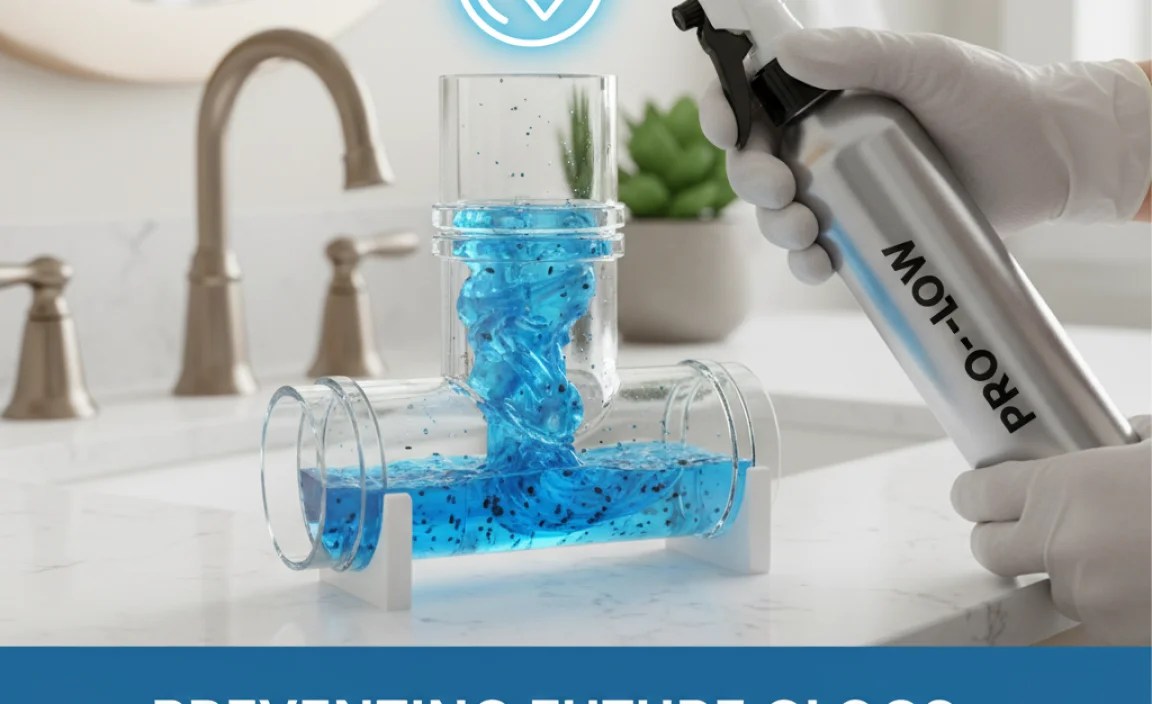
The best way to deal with clogs is to prevent them. Here are some simple, proactive steps you can take:
- Use drain strainers: Place strainers in all your sink and shower drains to catch hair, food particles, and other debris.
- Never pour grease down the sink: Let grease and oil cool, then scrape them into the trash.
- Run hot water: After using dishes or showering, run hot water for a minute or two to help flush away any lingering soap scum or grease.
- Regularly clean drains: Use the baking soda and vinegar method or boiling water weekly or bi-weekly as a preventative measure.
- Be mindful of what you flush: Only flush toilet paper and human waste. Avoid flushing wet wipes, feminine hygiene products, cotton balls, or paper towels.
- Consider enzyme drain cleaners: For regular maintenance, enzyme-based drain cleaners can be a safer alternative to harsh chemicals. They use natural enzymes to break down organic waste.
When to Call a Professional Plumber

While these DIY methods can tackle most common clogs, there are times when professional help is necessary. You should call a plumber if:
- You’ve tried multiple DIY methods, and the clog persists.
- Multiple drains in your home are clogged simultaneously, which might indicate a problem with the main sewer line.
- You suspect a serious issue, such as a blockage deep in your plumbing system or a damaged pipe.
- You’re uncomfortable or unsure about performing any of the DIY steps.
- Your plumbing system is old or has had recurring issues.
A professional plumber has the specialized tools and expertise to diagnose and fix complex plumbing problems safely and effectively.
Key Signs of Main Sewer Line Issues:
- Multiple fixtures backing up (toilets, showers, sinks).
- A gurgling sound coming from drains when water is used elsewhere in the house.
- Water backing up into the lowest fixtures (like a basement drain or tub) when you flush the toilet or run the washing machine.
- Sewer odors in or around your home.
If you experience any of these, contact a plumber immediately. The EPA’s National Small Flows Clearinghouse offers resources on sewer system maintenance, highlighting the importance of timely repairs.
Frequently Asked Questions (FAQ)
1. Can I use dish soap to unclog my drain?
Yes, a good amount of liquid dish soap, followed by hot water, can help break down grease and soap scum, acting similarly to the baking soda and vinegar method. Squirt about half a cup of
