
Wet Room vs. Alternative: The Ultimate Bathroom Upgrade Showdown! Choosing between a wet room and a more traditional setup can feel like a big decision. This guide breaks down the pros and cons of wet rooms and their alternatives, helping you make the best choice for your home and style with clear, step-by-step advice.
Is your bathroom ready for a refresh? Maybe you’ve heard whispers of “wet rooms” and wondered if they’re the next big thing for your home. Bathrooms are often the smallest rooms, but they pack a punch when it comes to daily function. Figuring out the best way to update them can sometimes feel a bit overwhelming, especially when you encounter new terms.
But don’t worry, we’re here to guide you through it! This article will explore the world of wet rooms and compare them with more familiar bathroom styles. We’ll break down what makes a wet room unique and what other fantastic options you have. Get ready to discover how to create a bathroom that’s both beautiful and super practical for your life!
A wet room is essentially a bathroom designed to get wet. Unlike a traditional bathroom where water is contained within a shower cubicle or bathtub, a wet room is fully waterproofed, allowing water to spread freely across the entire floor. This creates a spacious, open feel and is a popular choice for modern, minimalist bathrooms, or for creating more accessible bathing spaces. But is it the right choice for your home?
What Exactly Is a Wet Room?

Think of a wet room as a shower area that has been expanded to encompass the entire bathroom. The key feature is that the whole room is sealed to be waterproof. This is achieved through a specialized drainage system installed into the floor, usually a linear drain or a point drain, and complete waterproofing of walls and floors. There’s no separate shower tray or cubicle; instead, a carefully sloped floor directs water towards the drain.
This design offers a sleek, minimalist aesthetic and can make small bathrooms feel much larger. It’s also an excellent option for enhancing accessibility, as the lack of physical barriers makes it easier for people with mobility issues to enter and move around.
The Magic of Waterproofing: Crucial for Wet Rooms
The foundation of any successful wet room is its waterproofing. This isn’t just a quick coat of paint; it’s a robust system designed to protect your home from water damage. When we talk about waterproofing a wet room, we’re referring to a multi-layered approach that creates an impenetrable barrier against moisture.
This typically involves:
- Tanking Membranes: These are waterproof sheets or a liquid-applied membrane that are meticulously applied to the floor and lower parts of the walls. They act like a waterproof liner.
- Sealed Joints: All edges, corners, and where different materials meet (like walls and floors) are sealed with special waterproof tapes and adhesives to prevent any tiny leaks.
- Waterproof Boards:If any new stud walls are being built, they should be constructed using waterproof plasterboard or specialized wet room boards to ensure the entire structure resists moisture.
Using high-quality materials and proper installation techniques is paramount. It’s recommended to consult resources like the UK government building regulations to understand the requirements for wet areas in your home, ensuring your project is safe and compliant.
Drainage: The Unsung Hero
The drainage system in a wet room is crucial. It’s designed to remove water efficiently without causing any pooling or overflow. There are two main types:
- Linear Drains: These are long, slim channels that are installed along one wall or across the room. They offer a stylish look and are very effective at draining large volumes of water.
- Point Drains: These are more traditional round or square drains placed in a specific spot on the floor. For a wet room, the floor needs to be sloped towards this drain so water flows naturally.
The slope of the floor is critical, typically around 1:100, meaning for every 100 units of length, there’s a 1-unit drop. This gentle gradient ensures water goes where it’s supposed to without creating a tripping hazard.
Wet Room Vs. Alternatives: The Big Showdown

Now, let’s get to the heart of it. How does a wet room stack up against more traditional bathroom designs? We’ll look at a few common alternatives to help you compare.
Alternative 1: The Traditional Shower Cubicle
This is what most people picture when they think of a shower. It’s a self-contained unit, often with glass doors, that keeps water confined to a specific area. These can range from simple acrylic trays to more luxurious tiled enclosures.
Pros of a Traditional Shower Cubicle:
- Water Containment: Excellent at keeping water contained within the shower area, minimizing the risk of leaks elsewhere.
- Easy Installation: Generally simpler and quicker to install than a full wet room, especially pre-fabricated units.
- Familiarity: It’s the standard, so there are countless designs and options available.
- Less Structural Work: Often doesn’t require significant floor sloping or extensive waterproofing beyond the immediate shower area.
Cons of a Traditional Shower Cubicle:
- Space Limitation: Can make small bathrooms feel cramped. Openings and frames can also be restrictive.
- Cleaning: Grouting, seals, and shower doors can be tricky to keep clean and may be prone to mould or limescale.
- Accessibility: The raised tray can be a barrier for those with mobility issues, and changing the cubicle can require significant remodeling.
- Aesthetics: Can sometimes look dated or less integrated into the overall bathroom design, especially with frame-heavy designs.
Alternative 2: The Bathtub with Shower Head
This is a classic setup found in many homes. It combines a bathtub with a shower fitting, often enclosed by a shower curtain or screen.
Pros of a Bathtub with Shower Head:
- Versatility: Offers both bathing and showering options, catering to different needs and preferences.
- Good for Families: Ideal for bathing children or pets.
- Water Containment: When used with a proper curtain or screen, it effectively contains water.
- Standard Installation: Relatively straightforward to install, using existing plumbing.
Cons of a Bathtub with Shower Head:
- Space Hog: Bathtubs take up a significant amount of floor space, which can be a drawback in smaller bathrooms.
- Accessibility: Stepping over the side of a bathtub can be difficult for some.
- Shower Experience: Can feel cramped, and water may still escape the curtain if not positioned carefully.
- Cleaning Challenges: More surface area to clean, including the tub itself, the sides, and the shower curtain/screen.
Alternative 3: The Walk-in Shower (Non-Wet Room Style)
This is a middle-ground option. It’s a shower area, usually tiled, with a low-profile tray or a very slight slope, and often frameless glass screens instead of full doors. It offers a more integrated look than a traditional cubicle but doesn’t require the full waterproofing of a wet room.
Pros of a Walk-in Shower:
- Sleek Look: Offers a modern, minimalist aesthetic, similar to a wet room but simpler.
- Good Accessibility: The low-profile tray or minimal step makes it easier to enter than a high-sided cubicle or tub.
- Easier Cleaning: Fewer nooks and crannies compared to traditional cubicles, especially with frameless screens.
- Space Saving: Can make a bathroom feel more open than a bulky cubicle.
Cons of a Walk-in Shower:
- Water Containment: While better than a traditional shower, there’s still a greater risk of water escaping than with a fully enclosed cubicle or a well-designed wet room if not carefully managed.
- Installation Complexity: Requires careful sloping of the tray area and good sealing around screens.
- Potential for Splashing: The open nature means more splashing into the main bathroom area compared to a fully enclosed option.
- Drainage Issues: If the floor isn’t sloped correctly or the drain is insufficient, water can pool.
Wet Room vs. Traditional Shower: Key Differences

To make the choice even clearer, let’s put the wet room head-to-head with the most direct comparison: the traditional shower cubicle.
| Feature | Wet Room | Traditional Shower Cubicle |
|---|---|---|
| Waterproofing | Full room waterproofing, sloped floor to drain. | Water contained within tray and sealed cubicle. |
| Drainage | Integrated into the floor (linear or point drain). | Drain located within the shower tray. |
| Space Perception | Creates an open, spacious feel, good for small bathrooms. | Can feel enclosed, may make small bathrooms feel smaller. |
| Accessibility | Excellent; no steps or barriers. | Can be a barrier due to the tray height and doors. |
| Aesthetics | Sleek, modern, minimalist, seamless. | Varies greatly; can be modern but often relies on frames and doors. |
| Installation Complexity | High; requires specialized waterproofing and drainage. | Moderate; mostly involves fitting a pre-made unit. |
| Cost | Generally higher due to specialized materials and labor. | Can range from low to high depending on the cubicle. |
| Maintenance & Cleaning | Simpler surfaces, but requires thorough drying and attention to drains. | Cleaning doors, frames, seals, and trays can be time-consuming. |
When to Choose a Wet Room
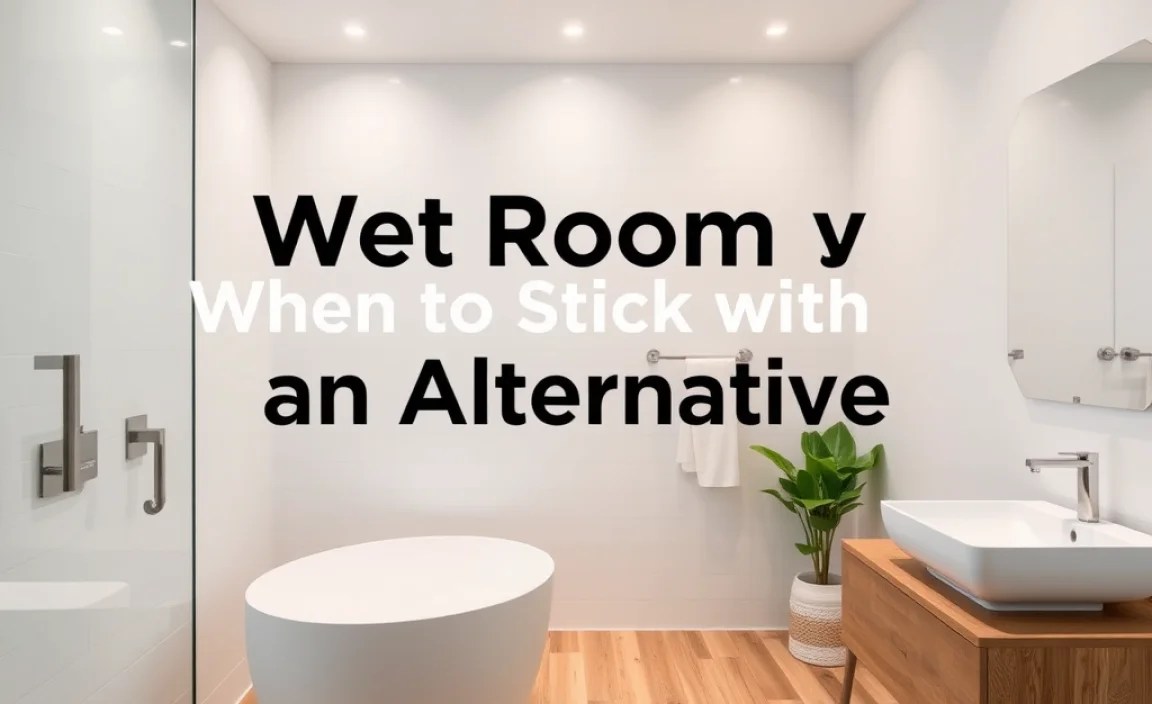
A wet room is a fantastic option if you’re looking for:
- A Modern, Spa-Like Feel: The seamless design and open space create a luxurious, contemporary bathroom.
- Maximized Space: Especially in small bathrooms, a wet room can make the area feel significantly larger by eliminating shower doors and trays.
- Enhanced Accessibility: For individuals with mobility challenges, a wet room offers a safe and easy-to-navigate bathing solution.
- A Bold Design Statement: If you want your bathroom to be a focal point, the minimalist elegance of a wet room is hard to beat.
For those planning a wet room, it’s essential to understand the technical requirements. Resources like Bathpro.co.uk’s guide to wet room installation can provide excellent insights into the process and materials needed.
When to Stick with an Alternative
An alternative setup might be best if:
- Budget is a Major Concern: Wet rooms tend to be more expensive upfront due to intricate waterproofing and drainage systems.
- DIY Simplicity is Key: Installing a traditional shower cubicle is often more straightforward for DIYers than ensuring a fully waterproofed wet room.
- Water Containment is Paramount: If you have concerns about water damage in your home or are in a property where water escape is a significant worry, a well-sealed cubicle offers a higher degree of containment.
- You Need Bathing Flexibility: If having both a bath and a shower is a priority, a bathtub with a shower head is the only way to go without two separate fixtures.
- Less Structural Work is Desired: Building a wet room might involve more structural changes to the floor than fitting a standard shower.
DIY Considerations for Wet Rooms and Alternatives
When approaching a bathroom renovation, whether it’s a wet room or an alternative, safety and proper technique are crucial. For a wet room, the success hinges on getting the waterproofing and drainage absolutely right. If you’re a seasoned DIYer, you might consider tackling parts of the project, but it’s often wise to bring in professionals for the critical waterproofing and drainage stages to ensure longevity and prevent costly water damage. Websites like Toolstation’s guide on shower cubicle installation can offer practical advice for traditional setups.
For alternatives like shower cubicles, the DIY aspect is generally more manageable. This usually involves:
- Preparation: Ensuring the wall and floor are sound and level.
- Plumbing: Connecting the shower valve and any water supply lines.
- Assembly: Putting together the tray and the cubicle walls/doors according to the manufacturer’s instructions.
- Sealing: Applying silicone sealant around the edges to prevent leaks.
Always remember to turn off the mains water supply before starting any plumbing work and follow manufacturer guidelines meticulously. When in doubt, consult a professional plumber.
Frequently Asked Questions About Wet Rooms
Q1: How much does a wet room cost compared to a normal shower?
A wet room is generally more expensive. This is because it requires specialized waterproofing materials, professional installation for tanking and drainage, and often specific floor preparation. A traditional shower cubicle can be much cheaper, especially if you opt for a pre-fabricated unit.
Q2: Can I install a wet room myself?
While some DIYers can manage parts of it, the critical waterproofing and drainage aspects are best left to professionals. Getting these wrong can lead to significant water damage, which is very costly to repair. If you’re not experienced, hire a specialist.
Q3: Will a wet room make my bathroom permanently wet?
No. The floor is sloped so water drains away quickly. With proper ventilation, the bathroom dries out just like any other. The “wet” refers to the design allowing water to flow across the floor to the drain, not that it stays perpetually soaked.
Q4: What kind of flooring is used in a wet room?
The floor must be fully waterproofed. Common finishes include large-format ceramic or porcelain tiles, natural stone, or specialized resinous flooring. The key is that the material is waterproof and the subfloor beneath is completely tanked. Ensure tiles have a good anti-slip rating.
