
Wet room structure needs a solid, waterproof foundation and properly sloped floors for drainage. Essential design includes understanding materials, waterproofing techniques, and compliant plumbing to prevent leaks and ensure a functional, long-lasting bathroom space.
Thinking about a wet room? It’s a bathroom designed to be completely waterproof, meaning the shower area isn’t enclosed by a screen or cubicle. This creates a spacious, modern feel, but it also means getting the structure right is super important. If you’re a DIY fan or homeowner looking to update your bathroom, you’ve come to the right place. We’ll walk through the key elements of building a wet room structure, step-by-step. Don’t worry if it sounds complicated; we’ll break it down simply so you can tackle your project with confidence.
What Exactly is a Wet Room?

A wet room is essentially a bathroom where the entire space is designed to get wet. Unlike a traditional bathroom with a separate shower enclosure, a wet room has a drain directly in the floor, and the whole area is waterproofed. This design is gaining popularity for its sleek look, accessibility benefits, and how it can make even small bathrooms feel more open. The main goal is to create a beautiful, functional space that’s also completely watertight. This requires careful planning and the right materials.
Why is Proper Wet Room Structure So Crucial?

Getting the structure of your wet room right is the most critical step. Why? Because a failure here can lead to serious problems. Water seeping into walls or floors can cause mold, rot, and structural damage that is expensive and difficult to fix. We’re talking about protecting your home’s integrity. A well-built wet room structure ensures that water stays where it belongs – in the shower area and going down the drain. This means years of worry-free use and a bathroom that looks as good as it performs. It’s all about building a solid, reliable foundation for your dream wet room.
Key Components of a Robust Wet Room Structure

Building a successful wet room involves several interconnected components. Each plays a vital role in ensuring longevity, functionality, and, most importantly, waterproofing. Let’s break down the essential elements you need to consider:
1. The Floor: The Foundation of Waterproofing
The floor is the heart of your wet room structure. It needs to be not only strong but also designed to manage water effectively. This means creating a slope towards the drain.
Creating the Perfect Slope
This is non-negotiable for any wet room. Without a proper slope, water will pool on the floor, leading to potential leaks and making cleaning a nightmare. The standard recommendation for a wet room floor slope is typically between 1:40 and 1:60. This means for every 40 to 60 units of horizontal distance, there should be 1 unit of drop in height. For example, over a meter (1000mm) of floor, you’d want about 25mm of fall towards the drain at a 1:40 ratio.
To achieve this slope, you’ll often need to build up the floor level. This is commonly done using:
- Screed: A layer of cement and sand mixture applied over the existing subfloor. Special additives are sometimes used for extra strength and waterproofing.
- Pre-formed Shower Trays/Former Boards: These are lightweight boards or trays made from materials like XPS (extruded polystyrene) that are already shaped with the correct fall. They can be easily cut and fitted to your specific bathroom dimensions.
Subfloor Considerations
Before even thinking about the slope, ensure your subfloor is sound. If you have a concrete subfloor, it’s generally very stable. If you have a wooden subfloor (like joists and floorboards), you’ll need to make sure it’s strong enough to support the added weight of screed or former boards, plus tiling and constant moisture. You might need to add extra joists or reinforce the existing ones. It’s also a good idea to install a layer of cement board or a suitable waterproof plywood over the wooden subfloor before applying any screed or former boards for added stability and a better key for adhesives.
2. Waterproofing Membranes: Your First Line of Defense
Once your floor is sloped and stable, the next crucial step is installing a waterproofing membrane. This acts as a barrier, preventing any water from penetrating the subfloor and walls.
Types of Waterproofing Membranes
There are several types of membranes you can use:
- Liquid Applied Membranes (LAMs): These are applied with a brush, roller, or trowel, much like paint. They dry to form a seamless, flexible waterproof layer. They are excellent for corners, joints, and complex shapes because they can be worked into every nook and cranny. Common LAMs are acrylic or polyurethane-based.
- Sheet Membranes: These are large sheets of waterproof material (often made from PVC, rubber, or modified asphalt) that are laid out and adhered to the subfloor and walls. They are typically used for larger, flatter areas but require careful sealing at the joints and edges to ensure they are completely watertight.
- Integrated Systems: Some specialized boards, like XPS former boards, come with integrated waterproofing layers or are designed to work seamlessly with specific taping and sealing systems for their joints and edges.
For a wet room, it’s vital to cover not just the floor but also at least the lower 1.5 to 2 meters of your walls, especially around the shower area. Pay extra attention to joints, corners, and any penetrations (like pipes) – these are common weak spots.
Applying the Membrane Correctly
Regardless of the type of membrane you choose, correct application is key. Always follow the manufacturer’s instructions precisely. This usually involves:
- Ensuring the surface is clean, dry, and free from dust or debris.
- Applying sufficient coats for the recommended thickness.
- Using reinforcing tape in all corners and around pipe openings before applying the main membrane layer.
- Allowing adequate drying time between coats and before tiling.
3. Drainage: The Unsung Hero
The drain is where all the water goes. In a wet room, this isn’t a standard shower tray drain; it’s a floor drain specifically designed for wet room applications.
Types of Wet Room Drains
- Point Drains: These are the most common type. They are a single unit that sits in the lowest point of the sloped floor.
- Linear Drains (Channel Drains): These are long, narrow drains that are often installed against a wall or in the middle of the floor. They offer a very sleek look and can be more efficient at handling water flow, especially in larger wet rooms.
Drain Installation and Sealing
The drain needs to be installed securely and, crucially, sealed perfectly to the waterproofing membrane. Most wet room drains come with a built-in flange or collar that the waterproofing membrane is applied over, ensuring a watertight connection. This is a tiny area, but it’s one of the most critical for preventing leaks. Manufacturers provide specific detailing instructions for integrating the membrane with their drains.
The position of the drain is determined by the slope of your floor. For point drains, it will be at the lowest point. For linear drains, the floor will slope towards the channel.
4. Walls and Tiling: Completing the Waterproof Barrier
While the floor and dedicated waterproofing are paramount, your walls are also part of the system.
Water-Resistant Boards
Instead of standard plasterboard, use water-resistant plasterboard (often green or blue in color) or specialized tile backing boards like cement boards or XPS boards, especially in the shower area. These boards are designed to withstand moisture better than standard plasterboard. Again, ensure they are securely fixed to the wall structure.
Tiling and Grouting
Once the waterproofing membrane is cured, you can tile the room. Choose tiles suitable for wet areas. Use a flexible, waterproof tile adhesive. Grouting is also important. Opt for an epoxy grout or a high-quality, flexible cementitious grout designed for wet areas. Ensure the grout lines are well-filled and the surface is smooth.
Important Note: While tiling adds a layer of protection, it is NOT a substitute for a proper waterproofing membrane. The tile and grout layer are secondary barriers; the primary barrier is the membrane underneath.
5. Ventilation: Preventing Condensation Issues
A wet room generates a significant amount of steam and moisture. Proper ventilation is essential to prevent condensation buildup, which can lead to mold and mildew, even in a well-built wet room.
- Extractor Fans: Install a powerful, properly ducted extractor fan. It should be rated for the size of your bathroom and ideally be connected to a humidistat (which automatically turns it on when moisture levels rise) or a timer.
- Ducting: Ensure the fan is ducted to the outside of the building. Do not vent it into an attic or another internal space.
- Window: If you have a window, opening it regularly after showering can also help remove excess moisture.
Understanding Materials and Tools
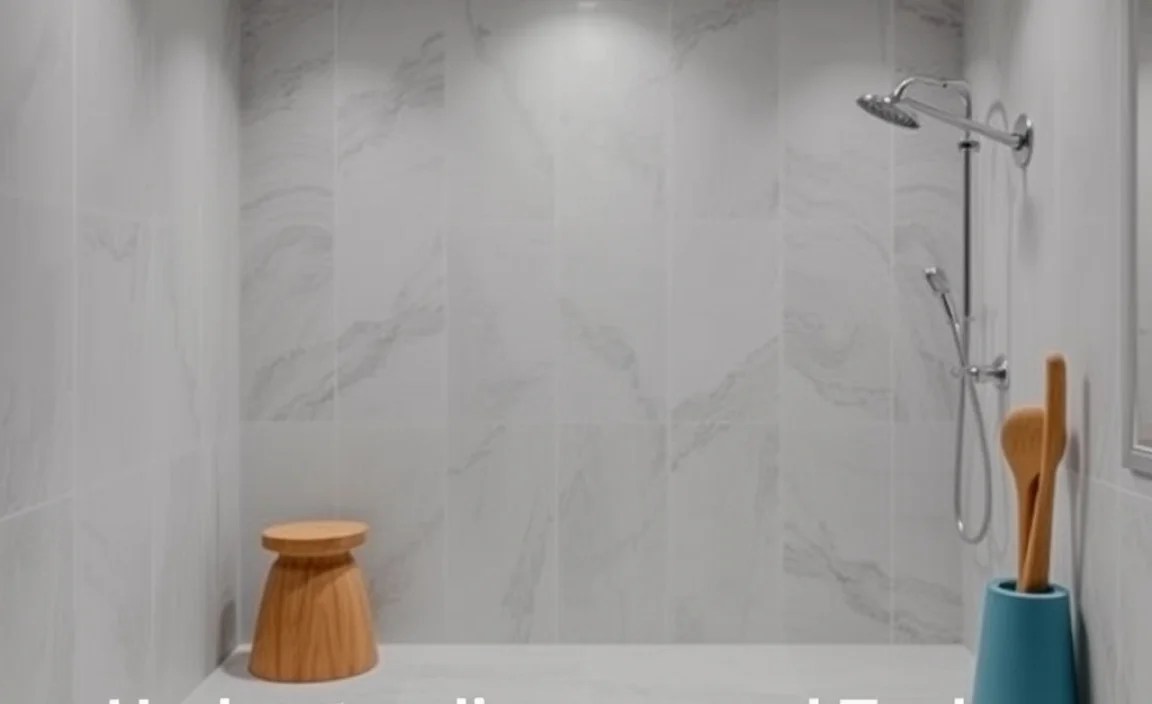
Choosing the right materials and having the correct tools can make a significant difference in the success and ease of your wet room project.
Essential Materials
- Waterproofing membrane (liquid or sheet)
- Waterproofing tape and corner pieces
- Screed or suitable floor former boards
- Cement boards or water-resistant plasterboard for walls
- Flexible tile adhesive
- Water-resistant grout (e.g., epoxy or flexible cementitious)
- Wet room drain assembly
- Tiles
- Ventilation fan and ducting
- Sealant (silicone) for finishing edges
Key Tools
- Spirit level
- Trowels (for screed and adhesive)
- Notched trowel (for adhesive)
- Bucket and mixer (for screed/adhesive)
- Rollers and brushes (for liquid membrane)
- Utility knife or shears (for sheet membrane/boards)
- Caulking gun (for sealant)
- Tile cutter
- Measuring tape
- Safety gear (gloves, eye protection, dust mask)
Step-by-Step Guide to Building a Wet Room Structure

Here’s a simplified breakdown of the process. Remember, this is a guide; always consult manufacturer instructions and local building codes.
Phase 1: Preparation and Subfloor
- Assess the Subfloor: Check your existing floor. If it’s wood, ensure it’s strong and stable. Reinforce if necessary (e.g., add more joists or a layer of suitable plywood/cement board).
- Mark Out the Area: Define the boundaries of your wet room area.
- Install Drainage: Position and fix the wet room drain assembly. Ensure it’s at the correct level, allowing for the slope you’ll create.
- Create the Slope:
- Using Screed: Mix and apply screed over the subfloor, building it up to create the required slope towards the drain. Aim for that 1:40 to 1:60 ratio. Allow this to cure fully.
- Using Former Boards: If using pre-formed boards, cut and fit them according to your bathroom layout, ensuring they are firmly adhered to the subfloor and create the correct slope.
- Prepare Walls: Strip back any old plaster to expose the brickwork or studwork. Ensure walls are clean and structurally sound. Fix water-resistant boards (cement board, XPS) to the walls, especially in the shower area.
Phase 2: Waterproofing
- Apply Waterproofing Membrane to Floor:
- Clean the sloped floor thoroughly.
- Apply liquid membrane using a roller or brush, paying close attention to instructions regarding coats and thickness.
- Embed waterproofing tape into all corners and around the drain flange while the first coat is still wet.
- Apply subsequent coats as per the manufacturer’s instructions.
- Apply Waterproofing Membrane to Walls:
- Start from the floor up, extending at least 1.5 to 2 meters.
- Ensure membrane overlaps the floor membrane by a good margin (usually 10-15 cm).
- Lap any vertical joints in the boards with waterproofing tape.
- Carefully apply the membrane around any pipe penetrations, using appropriate sealing methods, often involving specialized sealants and tape.
- Apply multiple coats to achieve the recommended thickness.
- Allow to Cure: Let the waterproofing membrane cure completely. This can take 24-48 hours or longer depending on the product and conditions. Check for any thin spots or imperfections – reapply if necessary.
Phase 3: Finishing
- Install Tiles:
- Once the membrane is fully cured, begin tiling.
- Use flexible, waterproof tile adhesive.
- Ensure tiles are laid neatly, maintaining a consistent pattern and grout line.
- Avoid excessive adhesive falling into the drain.
- Grout the Tiles: After the adhesive has set (check manufacturer instructions, usually 24 hours), grout the tiles using your chosen water-resistant grout.
- Seal Edges: Use a high-quality, flexible, mold-resistant silicone sealant around the edges where the wet room meets non-tiled surfaces (like doors or non-tiled walls) and around any fixtures.
- Install Sanitaryware and Fixtures: Fit your shower head, controls, and any other bathroom fixtures.
- Ventilation: Ensure your extractor fan is installed and ducted correctly. Test it to confirm it’s drawing air effectively.
Common Mistakes to Avoid
Even with the best intentions, some common pitfalls can derail a wet room project. Being aware of these can save you a lot of trouble:
- Insufficient Slope: Not creating an adequate slope for water to drain quickly.
- Poor Waterproofing Application: Missing spots, not overlapping correctly, or not using enough material.
- Substandard Materials: Using regular plasterboard instead of water-resistant alternatives or non-flexible grout.
- Inadequate Ventilation: Leading to condensation and mold issues.
- Ignoring Manufacturer Instructions: Each product has specific application and curing requirements.
- Not Checking Local Building Codes: Ensure your design and construction meet local regulations for bathrooms and wet rooms.
Building Regulations and Compliance
It’s always wise to check with your local building control department. In many regions, significant bathroom alterations, especially those involving waterproofing and drainage in new ways, may require building regulations approval. This ensures that the work is carried out to a safe and appropriate standard. For instance, the UK government’s guidance on building regulations provides an overview of what might need approval. Proper compliance is essential for safety and to avoid issues if you ever sell your property.
Wet Room Structure vs. Traditional Shower Tray
The primary difference lies in the construction and approach to waterproofing. Here’s a quick comparison:
| Feature | Wet Room Structure | Traditional Shower Tray |
|---|---|---|
| Waterproofing Method | Entire room waterproofed, sloped floor with floor drain. | Water containment primarily within the tray and sealed shower enclosure. |
| Floor Construction | Requires a sloped screed or former board and comprehensive membrane. | Simple, level subfloor; tray sits on top. |
| Drainage | Integrated floor drain, requires specific slope. | Drain connects to the shower tray outlet. |
| Installation Complexity | Higher; involves significant waterproofing and slope creation. | Lower; tray installation is relatively straightforward. |
| Aesthetic Flexibility | High; can be tiled with any material, creates open space. | Limited by tray shape and shower enclosure style. |
| Cost | Generally higher due to materials and labor. | Generally lower. |
| Maintenance | Requires diligent cleaning of drains and grout. Waterproofing integrity over time is key. | Easier to clean tray surface; focus on sealing the enclosure. |
Choosing between them depends on your budget, desired aesthetic, and the level of complexity you’re comfortable with (or willing to hire out).
