
Quick Summary: Plumbing traps are the unsung heroes preventing sewer gases from entering your home. They work by holding a small water seal in a P-shaped pipe, blocking odors and preventing them from escaping through your drains. Understanding this simple mechanism is key to a fresh, healthy living environment.
Have you ever noticed an unpleasant smell lurking around your sink or shower drain? It’s a common and often annoying issue that can make your home feel less comfortable. Don’t worry, this isn’t usually a sign of a major plumbing disaster! More often than not, it’s down to the clever little device called a plumbing trap and how it functions (or sometimes, doesn’t function) correctly. We’re going to break down exactly what a plumbing trap is, how it masterfully keeps those gassy odors at bay, and what to do if you suspect yours isn’t doing its job. You’ll be feeling more confident and in control of your home’s freshness in no time. Let’s dive in!
Unlocking the Mystery: What Exactly is a Plumbing Trap?

At its core, a plumbing trap is a simple but brilliant piece of plumbing hardware. You’ve probably seen them – they’re the U-shaped, P-shaped, or S-shaped pipes located directly beneath your sinks, showers, toilets, and any other fixture that connects to your main drainage system. Their primary and crucial job is to act as a barrier. But a barrier against what? Their main mission is to prevent foul-smelling sewer gases from rising up through your drains and into your living space. Without them, your home would likely smell more like a swamp than a sanctuary!
The Science Behind the Seal: How Traps Work
The magic of a plumbing trap lies in its design and a fundamental principle of physics: water seeks its own level. Let’s break down the process, usually focusing on the most common type, the P-trap:
- Water Collects: Every time you use a fixture with a drain – like running the faucet, flushing the toilet, or taking a shower – water flows down the drainpipe.
- The P-Shape Holds Back: As the water flows through the P-shaped pipe, the lower curve of the “P” is designed to hold a small amount of water even after the rest of the water has drained away. This retained water forms a seal.
- Sewer Gas Blocked: This standing water acts as a physical barrier. Sewer gases, which are heavier than air and would normally rise up the pipe, cannot pass through this water seal. They are effectively trapped underground or in the sewer line.
- New Water Replenishes: The next time you use the fixture, fresh water flushes out the old water in the trap and creates a new seal, ensuring continuous protection.
It’s this simple pool of water that’s a homeowner’s best friend against unpleasant odors. This is why it’s important to run water in drains that aren’t used regularly, like in guest bathrooms or basement sinks. If the water evaporates from the trap, the seal is broken, and those dreadful smells can start to creep back in. You can learn more about the importance of proper drainage systems and maintenance from resources like the EPA’s WaterSense program on fixtures and fittings, which indirectly highlights the role of these components.
Types of Plumbing Traps

While the principle of creating a water seal is the same, plumbing traps come in a few different shapes, each suited for different plumbing configurations. The most common ones you’ll encounter are:
1. P-Trap
This is by far the most common type found in residential plumbing underneath sinks. It’s named for its distinctive shape, which resembles the letter “P” lying on its side. The P-trap consists of a horizontal outlet arm that connects to the building’s waste line, and a U-shaped bend that holds the water seal.
| Trap Type: | Description: |
| P-Trap | The most common U-shaped or ¾-turn trap used under sinks, showers, and tubs. It holds a water seal to block sewer gases. |
| S-Trap | An older, less common design that resembles the letter “S”. It has a U-bend followed by another bend exiting downwards. These can sometimes siphon water out of the trap, breaking the seal and are often phased out due to code issues. |
| Bottle Trap (or Bottle-Shape Trap) | A more compact trap often used in situations where space is limited, like pedestal sinks or in some bathroom furniture. It has a cylindrical or bottle-like main body that holds the water seal. |
| Drum Trap | Less common today, these are larger traps that act as a receptacle for debris and hair. They work by having water flow around a baffle inside a larger container. |
2. S-Trap
The S-trap is an older design that looks similar to a P-trap but has an additional bend, creating an “S” shape. The outlet pipe points downwards directly into the floor. While they also create a water seal, S-traps have a significant drawback: they are more prone to “siphoning.” This happens when a large volume of water passing through causes a vacuum effect that can pull the water seal right out of the trap, leaving it dry and unprotected. For this reason, S-traps are often prohibited by modern plumbing codes and are rarely installed in new construction or significant renovations.
3. Bottle Trap (or Bottle-Shape Trap)
Bottle traps are often chosen for their aesthetic appeal and compact design. They are frequently seen with stylish basin faucets and minimal counter space, or as part of a vanity unit. They work by directing the wastewater through a chamber that effectively traps a volume of water. Maintenance can sometimes be a bit more involved than a standard P-trap due to their design, but they are very effective at preventing sewer gas odors.
4. Drum Trap
Drum traps are less common in modern homes but were historically used in some locations, particularly for bathtubs. They are usually larger cylindrical devices, often with a removable cover. Water enters the drum, flows around a baffle or dip tube, and then exits. The U-shaped path created by the baffle holds the water seal. They can also accumulate debris over time, potentially leading to blockages. If you have one, it’s a good idea to get it inspected by a professional plumber to ensure it’s functioning correctly and isn’t a hidden source of problems.
The Critical Role of the Water Seal

We can’t stress this enough: the water seal is the entire point of a plumbing trap. It’s a simple, passive barrier that relies on gravity and the natural properties of water. Without this water seal, your drain would be a direct open highway for all sorts of unpleasantries from the sewer system.
These sewer gases aren’t just stinky; they can contain harmful pathogens and potentially flammable methane gas. In older plumbing systems or where vents might be blocked or inadequate, negative pressure in the drain lines can also occur. This negative pressure can pull the water out of the trap – a phenomenon called siphonage. Modern plumbing, with its carefully designed venting systems, greatly reduces the risk of siphonage for P-traps. You can learn more about the principles of plumbing ventilation from resources like the International Association of Plumbing & Mechanical Officials (IAPMO), which sets standards for much of the plumbing industry.
What Happens When the Seal is Broken?
A broken water seal can manifest in a few ways:
- Foul Odors: This is the most obvious sign. A persistent sewer smell originating from a drain is a clear indicator the trap isn’t holding water.
- Gurgling Drains: When a trap loses its water seal, air can bubble up through the drainpipe, causing a gurgling sound, especially when water is flowing down another drain or when the toilet is flushed. This is the system trying to equalize pressure.
- Slow Drains: While not always directly caused by a broken seal, a blocked or malfunctioning trap can contribute to slower drainage as debris accumulates.
Common Issues Affecting Plumbing Traps
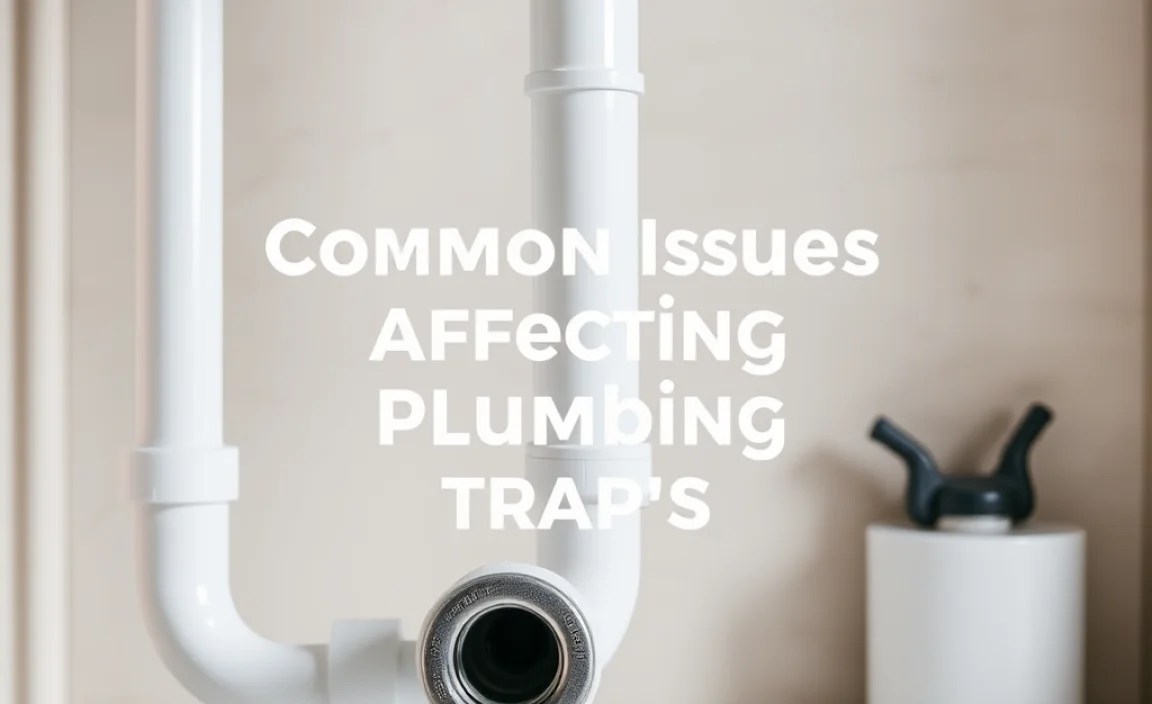
Even though they are simple, plumbing traps can encounter a few common problems that compromise their ability to do their job. Understanding these issues helps in diagnosing and fixing a smelly drain.
1. Evaporation
As mentioned, if a fixture or drain is not used for an extended period (think guest bathrooms that are rarely used, or floor drains in basements that don’t see much action), the water in the trap can simply evaporate over time. This is the easiest problem to fix – just run water down the drain for a minute or two every few weeks to replenish the seal. For floor drains that are particularly prone to evaporation, especially in areas with low humidity or HVAC use, consider installing a trap primer.
2. Siphonage
We touched on this earlier, but it’s worth reiterating. Siphonage occurs when the water seal is actively pulled out of the trap. This is often due to:
- Improper Venting: The vent pipes in your plumbing system are crucial. They allow air to enter the system to prevent vacuums from forming. If vents are blocked, too small, or improperly installed, siphonage is much more likely.
- High Flow Rates: A large amount of water being flushed down a drain can create a siphoning effect, particularly in older or poorly designed systems, or with S-traps.
3. Blockages and Debris
Traps are designed to catch hair, grease, food particles, and other debris before they enter the main drain lines. Over time, this collected gunk can accumulate, leading to:
- Slow Drains: The obstruction in the trap slows down the flow of water.
- Complete Blockages: In severe cases, the trap can become completely clogged, preventing any water from draining.
- Odors from Decay: Even with a water seal, if debris is stuck in the trap and starts to decompose, it can still produce unpleasant smells that might seep past the water if the gas is particularly potent or if the water level is low.
4. Leaks
Plumbing traps are made of various materials like PVC (plastic), brass, or ABS. Like any plumbing component, they can develop leaks, especially at the joints or where they connect to the pipes. A leaking trap might not always lead to a broken water seal immediately but can cause water damage and attract pests. A leak might also mean that the water level is constantly dropping, eventually leading to evaporation and a broken seal.
Troubleshooting: When Your Trap Isn’t Working

Seeing or smelling any of the signs of a compromised trap? Don’t panic! Here’s a step-by-step approach to diagnose and potentially fix the issue.
Step 1: Identify the Source of the Smell/Problem
Is the smell coming from one specific drain or generally throughout the house? If it’s specific to one area, that narrows down the problem significantly. Listen for gurgling sounds when water runs. Check for obvious leaks under the sink.
Step 2: Check for Evaporation
If a fixture is rarely used, try running water down the drain for 1-2 minutes. If the smell disappears and doesn’t return for a while, your problem was likely evaporation. Make a habit of running water in these less-used drains weekly.
Step 3: Inspect the Trap for Blockages (Sink Traps)
This is a common DIY task for sink traps. You’ll need:
- A bucket or old towels to catch water and debris.
- An adjustable wrench or pipe wrench (if the fittings are stubborn).
- A basin wrench (sometimes helpful for reaching nuts in tight spaces).
- A cleaning brush or old toothbrush for scrubbing.
- Gloves and possibly eye protection.
How-To:
- Place the bucket directly under the U-shaped bend of the P-trap.
- Loosen the slip-nut fittings on either side of the U-bend. Turn counter-clockwise. Be prepared for water to drain out.
- Carefully remove the U-bend section.
- Empty the contents of the trap into the bucket. Inspect the removed pipe for any signs of significant buildup.
- Clean the inside of the trap thoroughly with a brush. You can use a mixture of hot water and dish soap, or a natural cleaner like baking soda and vinegar. Avoid harsh chemical drain cleaners, as they can damage pipes and traps, and certainly don’t use them if you suspect a leak or faulty seal elsewhere.
- Clean the ends of the pipes where the trap connects, and ensure the seals/washers are intact and clean. Replace them if they appear damaged or worn.
- Reassemble the trap, tightening the slip nuts clockwise. Ensure they are snug but don’t overtighten, which can crack plastic fittings.
- Run water into the sink for a minute or two to test for leaks and to fill the trap with fresh water. Check under the sink for any drips.
If you’re uncomfortable with this process, or if the problem persists, it’s time to call a professional plumber.
Step 4: Consider Venting Issues
If your trap seems clear, you’ve tried running water, and the problem (especially gurgling or recurring smells) persists, a venting issue is a likely culprit. This is typically a job for a licensed plumber. They can inspect your plumbing vents, ensure they are clear of obstructions (like leaves or nests), and check that they are properly sized and installed according to code.
You can check basic vent functionality by observing drains. If flushing one toilet causes water levels to fluctuate wildly in another nearby fixture, it often points to a venting problem. For more information on plumbing codes and ventilation requirements, consult resources like the International Code Council (ICC), which publishes model plumbing codes used in many regions.
Step 5: Check for Leaks
Look for wet spots, drips, or signs of water damage around your traps and connecting pipes. If you find a leak, try gently tightening the slip nuts. If the leak continues, the fitting or washer may need to be replaced. This is a straightforward DIY fix for most plastic traps. For metal traps, corrosion can sometimes be an issue, and replacement of the faulty section might be necessary.
Maintenance Tips for a Healthy Plumbing System
Keeping your plumbing traps working efficiently and preventing issues is largely about good habits and regular, simple maintenance. Here are some key tips:
- Run Water Regularly: As we’ve stressed, run water down all drains (including floor drains and guest bathroom sinks) for a minute or two at least once a month. This keeps the water seal fresh and prevents the trap from drying out.
- Be Mindful of What Goes Down the Drain: Avoid pouring grease, oils, coffee grounds, or fibrous food waste down kitchen sinks. Use a sink strainer to catch larger particles in bathroom sinks. Consider using a mesh strainer in your shower drain to catch hair.
- Regular Cleaning: Periodically clean sink and shower drains with hot water and a bit of dish soap. A baking soda and vinegar flush can also help break down minor gunk. For tougher clogs, consider using a plumber’s snake or auger instead of harsh chemicals.
- Address Slow Drains Promptly: Don’t ignore slow drains. They are often the first sign of a developing blockage in the trap or further down the line. A quick snaking or manual cleaning can prevent a more serious issue.
- Inspect Visible Traps: Take a quick look under your sinks every so often. Check for any signs of leaks, corrosion, or loose fittings.
- Know Your Plumbing: Understand the types of traps you have. If you have older S-traps, consider having them updated to P-traps during any significant renovation, as they are less reliable and often not up to current building codes.
