
Understanding the “genius system” of toilet construction reveals how water pressure and gravity work together to efficiently flush waste. This explanation simplifies the internal mechanisms, making maintenance and troubleshooting easier for any homeowner.
Ever wondered what’s really going on inside your toilet when you push that handle? It seems like magic sometimes, but it’s actually a clever system of mechanics and physics. For many people, toilets are just a fixture. When they stop working right, it can be a real headache. But understanding how this essential piece of home equipment is built can save you time, money, and a lot of stress. We’re going to break down the toilet’s construction in a way that makes sense, even if you’ve never tackled a DIY project before. Get ready to demystify the flush!
The Brilliant Brains Behind the Flush: How Your Toilet Works

A toilet’s “genius system” is all about using the power of water and gravity in a smart way. It’s not complicated, but knowing the key parts helps a lot. There are two main actions happening: filling the tank and flushing the bowl. Each part plays a crucial role, and they work together seamlessly when everything is in good condition.
Think of your toilet tank as a holding tank for flush water. Once the water is in there, it’s waiting for the signal to go. When you press that flush lever, it’s like flipping a switch that starts a chain reaction. This reaction quickly empties the tank and uses that rush of water to clear the bowl. It’s a simple, yet effective, design that has served us well for a long time.
Key Components of a Toilet System
To truly grasp the genius of toilet construction, let’s look at the main players involved. Each component has a specific job, and they all work in harmony.
1. The Toilet Tank (The Reservoir of Power)
This is the boxy part behind the toilet seat. It holds the water you need for each flush. Inside, it’s a miniature waterworks! The tank’s main job is to store a specific amount of water and release it rapidly when you give it the signal.
- Tank Exterior: The visible part, usually made of porcelain, that sits behind the toilet bowl.
- Tank Lid: Covers the tank, hiding the internal mechanisms.
- Flush Lever/Button: What you push or pull to initiate a flush. It’s connected to a chain or lift rod.
- Flapper Valve (Flush Valve Seal): A rubber or plastic stopper at the bottom of the tank. When closed, it holds water in. When lifted, it allows water to flow into the bowl.
- Fill Valve (Ballcock): This is the smart part that refills the tank after each flush. It has a float that stops the water when the tank is full.
- Overflow Tube: A vertical pipe inside the tank. If the fill valve malfunctions and overfills the tank, water goes down this tube into the bowl instead of spilling onto your floor.
- Chain/Lift Rod: Connects the flush lever to the flapper.
2. The Toilet Bowl (The Clearing Chamber)
This is where the waste goes. The magic of the flush is how this chamber is designed to be emptied completely and efficiently with each push of the lever. It’s a carefully shaped piece of porcelain engineered for optimal flow.
- Water Surface: The visible water level in the bowl.
- Trapway: A curved channel at the bottom of the bowl, hidden from view. It holds water to create a seal that prevents sewer gases from entering your bathroom. This seal is crucial for hygiene.
- Rim Jets: Small holes under the rim of the bowl. They direct a small amount of water to rinse the bowl’s sides during a flush.
- Siphon Jet (in some toilets): A larger hole at the bottom of the bowl that helps start the siphoning action for a powerful flush.
3. The P-Trap and Drain Line (The Exit Route)
These are not technically part of the toilet fixture itself but are critical to its function. The P-trap is built into the plumbing that connects to the toilet. The water in the trapway of the toilet bowl forms the initial seal, and the P-trap in the plumbing line provides a secondary seal.
- P-Trap: A U-shaped pipe that retains water between flushes. This water creates a barrier against sewer gases.
- Drain Line: The larger pipe that carries waste away from your home.
Visualizing the Flush: A Step-by-Step Breakdown
Let’s walk through what happens from the moment you decide to flush. It’s a precise sequence of events designed for effectiveness.
- Initiating the Flush: You press the flush lever or button. This lifts the chain or lift rod connected to the flapper valve.
- Releasing the Water: The flapper valve lifts, opening the drain at the bottom of the tank. All the stored water in the tank rushes down into the toilet bowl.
- Filling the Bowl and Starting the Siphon: The surge of water from the tank fills the bowl rapidly. This high volume of water pushes waste and water over the edge of the bowl, into the trapway. The exiting water creates a vacuum, initiating a siphon action.
- The Siphon Pull: As the tank empties, the siphon effect becomes powerful. It pulls the remaining water and all waste from the bowl down through the trapway and into the drain line. This is the main cleaning action.
- Breaking the Siphon: As the bowl empties, air re-enters the trapway, breaking the siphon action. The flapper valve, now without water to hold it up (or in some designs, guided by a weight), drops back down to seal the tank opening.
- Refilling the Tank: As the tank empties, a float mechanism connected to the fill valve drops. This signals the fill valve to open and begin refilling the tank with fresh water. The fill valve also supplies a small amount of water through a refill tube that goes into the overflow tube to replenish the water in the trapway and refill the bowl to its proper level.
- Reset: Once the tank is full, the float reaches a set height, signaling the fill valve to shut off the water supply. The toilet is now ready for its next use.
This entire process, from lift to reset, usually takes less than a minute, demonstrating incredible efficiency and clever engineering.
The Science Behind the Siphon: Gravity and Air Pressure

The “genius” really shines when you understand the physics at play. It’s not just dumping water; it’s a calculated force.
Gravity’s Role: Gravity is the primary engine. When you lift the flapper, gravity pulls the ~1.6 gallons (or more, in older models) of water stored in the tank. This water is released with significant force due to the height difference between the water in the tank and the bowl.
Siphon Effect: This is where it gets really clever. As the rapidly moving water from the tank rushes into and over the trapway in the bowl, it displaces the air and creates a swirling, siphoning action. Imagine trying to suck liquid up a straw – you create lower pressure at the top, and the higher atmospheric pressure outside pushes the liquid up. In a toilet, the rushing water creates low pressure in the trapway, and atmospheric pressure in the drain line pushes the waste and water out of the bowl and down the drain.
Air Pressure and the Trap Seal: The water left in the trapway after the siphon breaks is critical. It forms a seal that prevents unpleasant sewer gases from making their way into your home. This simple water barrier is a fundamental part of modern sanitation, preventing the spread of disease.
For a deeper dive into fluid dynamics and plumbing principles, you can explore resources like those provided by the Engineering ToolBox, which offers detailed insights into how siphons and fluid flow work.
Common Toilet Construction Issues and Quick Fixes
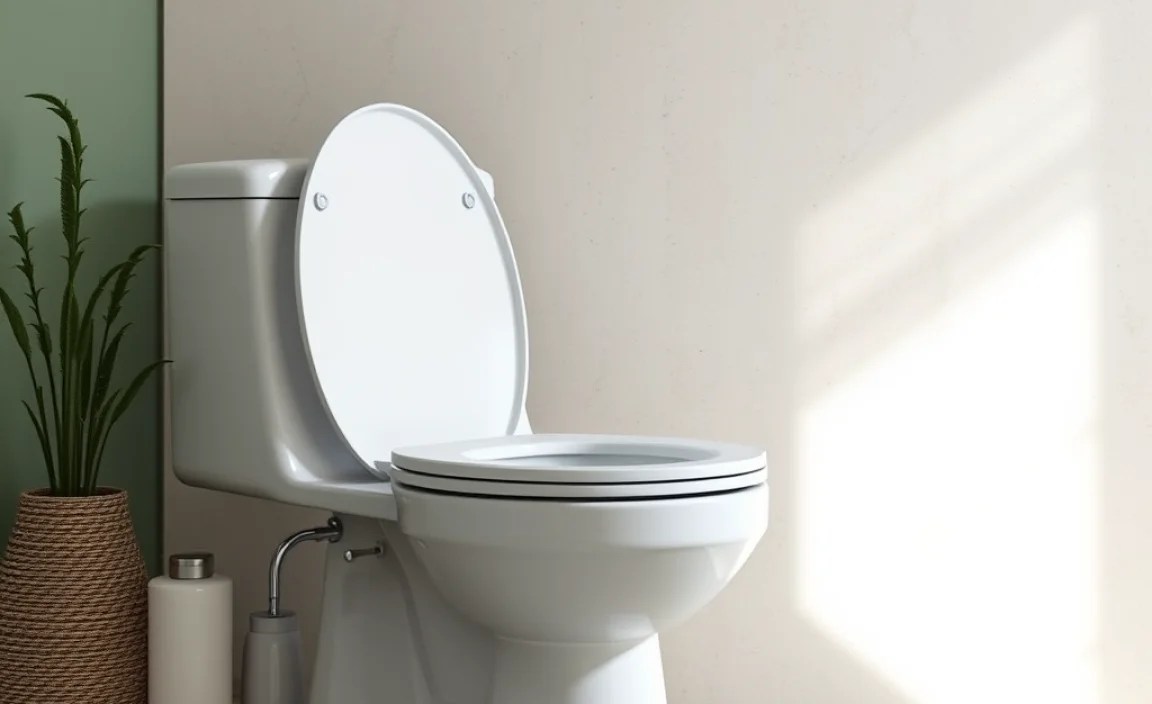
Even the most genius systems can have minor hiccups. Knowing a few common problems can help you fix them quickly before they become bigger headaches.
Troubleshooting Table
| Problem | Possible Cause | Simple Fix |
|---|---|---|
| Weak Flush / Incomplete Flush | Not enough water in the tank. | Adjust the fill valve float to raise the water level. Ensure the flapper is fully opening. |
| Weak Flush / Incomplete Flush | Flapper not sealing properly or closing too soon. | Check the chain for kinks. Adjust chain length so it has a little slack but lifts the flapper. Replace the flapper if it’s warped or worn. |
| Running Toilet (Water constantly flowing into bowl) | Flapper not sealing. | Replace the flapper. Check the rim for debris. |
| Running Toilet (Water constantly flowing into bowl) | Fill valve not shutting off. | Adjust the float. If it’s an older ballcock, it might need replacement. |
| Tank Overflows | Fill valve stuck open. | Adjust the float. If the problem persists, replace the fill valve. |
| Gurgling Noises | Partial blockage in the trapway or drain line. | Try using a plunger or a toilet auger. |
These are just a few examples. Many common toilet repairs are surprisingly straightforward and don’t require a professional plumber. For a wealth of information on common plumbing parts and their functions, the Toolstation blog offers clear explanations that can be very helpful.
Tools You Might Need for Basic Toilet Maintenance
Don’t be intimidated! Most toilet maintenance tasks can be handled with a few basic tools you likely already have or can get at any hardware store.
- Adjustable Wrench: For tightening or loosening nuts on the water supply line.
- Screwdriver Set: For adjusting or replacing some internal tank parts.
- Plunger: Essential for clearing minor clogs.
- Toilet Auger (or Snake): For more stubborn clogs that a plunger can’t handle.
- Sponge: To soak up water when working inside the tank.
- Bucket: To catch any drips or excess water.
- Gloves: For hygiene and a better grip.
Safety First!
Before you start any work inside your toilet tank or around the water supply, always remember these safety tips:
- Turn off the water supply. There’s a small valve on the wall behind the toilet. Turn it clockwise until it stops.
- Flush the toilet once after turning off the water to empty most of the water from the tank.
- Wear gloves. It’s a bathroom fixture, after all.
- Never use harsh chemicals like bleach directly in the tank unless specified by the manufacturer. They can damage rubber parts.
- If you are unsure, it’s always best to call a qualified plumber.
Understanding the basic plumbing of your home is a significant step towards becoming a more confident DIYer. The U.S. Environmental Protection Agency (EPA) offers tips on water-saving fixtures and maintenance which can also be insightful for homeowners looking to improve their home’s efficiency: EPA WaterSense Fix-a-Leak.
Beyond the Flush: Understanding Different Toilet Types

While the basic “genius system” of how a toilet works remains the same, there are variations in toilet construction and flushing technology designed for different needs and efficiencies.
Gravity-Fed Toilets (The Standard)
This is the most common type, and it’s the one we’ve been discussing. It relies purely on gravity to fill the tank and then uses the force of that water to flush the bowl via the siphon action.
- Pros: Simple, reliable, inexpensive to purchase and maintain, fewer parts to break.
- Cons: Can use more water than newer models (though modern ones are much more efficient), may require more forceful flushing for tougher jobs.
Pressure-Assisted Toilets
These toilets use a sealed, pressurized tank to store air. When flushed, this compressed air is released forcefully along with the water, creating a very strong flush with less water volume.
- Pros: Very powerful flush, uses less water per flush (often 1.0 or 1.28 gallons per flush – GPF), less prone to clogs.
- Cons: Can be louder, more complex and expensive to repair, the extra pressure can sometimes be too much for older drainage systems.
Dual-Flush Toilets
A popular eco-friendly option, dual-flush toilets have two buttons or a lever with two positions: one for liquid waste (using less water) and one for solid waste (using a more robust flush). This significantly reduces water consumption.
- Pros: Excellent water savings, reduces utility bills, environmentally friendly.
- Cons: Slightly more complex mechanism in the tank, can be more expensive upfront.
Low-Flow Toilets
Mandated in many regions, low-flow toilets are designed to use no more than 1.6 GPF. Many modern toilets, even standard gravity-fed types, are designed to be low-flow and are highly efficient.
- Pros: Water conservation, lower water bills.
- Cons: Older low-flow designs sometimes struggled with effective flushing, but newer models are much improved.
Understanding Flush Volumes: GPF
The amount of water a toilet uses per flush is measured in Gallons Per Flush (GPF). Older toilets could use 3.5 GPF or even more! Understanding this helps you appreciate the efficiency of the “genius system” in modern toilets.
| Toilet Type | Typical GPF | Water Usage Notes |
|---|---|---|
| Pre-1994 Standard Toliet | 3.5+ GPF | Very inefficient, major water user. |
| 1994–2014 Standard Toilet | 1.6 GPF | EPA WaterSense standard. |
| Modern Low-Flow Toilet | 1.28 GPF | Highly efficient, often meets or exceeds WaterSense. |
| Pressure-Assisted Toilet | 1.0 to 1.28 GPF | Uses air pressure for a strong flush with minimal water. |
| Dual-Flush Toilet | 0.8 GPF (light flush) to 1.6 GPF (full flush) | Offers flexibility for water savings. |
Choosing a toilet that fits your needs and local water regulations is part of smart home management. Modern toilet technology is a testament to the power of refining simple, genius systems.
FAQ: Your Toilet Construction Questions Answered
Here are some common questions beginners have about how toilets work and their construction.
Q1: Why does my toilet run long after I flush?
A: This is usually because the flapper valve at the bottom of the tank isn’t sealing properly, allowing water to steadily leak into the bowl. It could also be that the fill valve isn’t shutting off the water supply when the tank reaches the correct level. Check the flapper first – they’re inexpensive and easy to replace. If that doesn’t fix it, look at the fill valve and its float mechanism.
Q2: What is the ‘trap’ in a toilet, and why is it important?
A: The trap is the curved pipe or channel at the bottom of the toilet bowl, designed to retain a small amount of water. This water forms a seal that prevents foul-smelling sewer gases from entering your bathroom. It’s a critical component for hygiene and comfort.
Q3: How much water does a standard modern toilet uses?
A: A standard modern toilet, especially one that meets the EPA’s WaterSense criteria, typically uses 1.28 gallons per flush (GPF). Older toilets can use 1.6 GPF or even 3.5 GPF or more.
