
A bathroom is a room for personal hygiene, typically containing a toilet, sink, and bathtub or shower. Understanding its definition and the pros and cons associated with different bathroom setups is key for any homeowner planning renovations or simple upgrades. This guide breaks down everything a beginner needs to know for confident decision-making.
There’s nothing quite like the comfort of a well-designed bathroom. But what exactly makes a room a “bathroom”? The term itself can seem straightforward, yet the practicalities and variations involved are vast. Whether you’re planning a dream master suite or a much-needed guest bathroom update, understanding the core components and their benefits will save you time, money, and headaches. We’ll cover the essentials, from what defines a bathroom to exploring the advantages and disadvantages of different layouts and features, ensuring you have all the information to make smart choices for your home. Get ready to transform your bathroom knowledge!
Understanding the “Bathroom Definition”
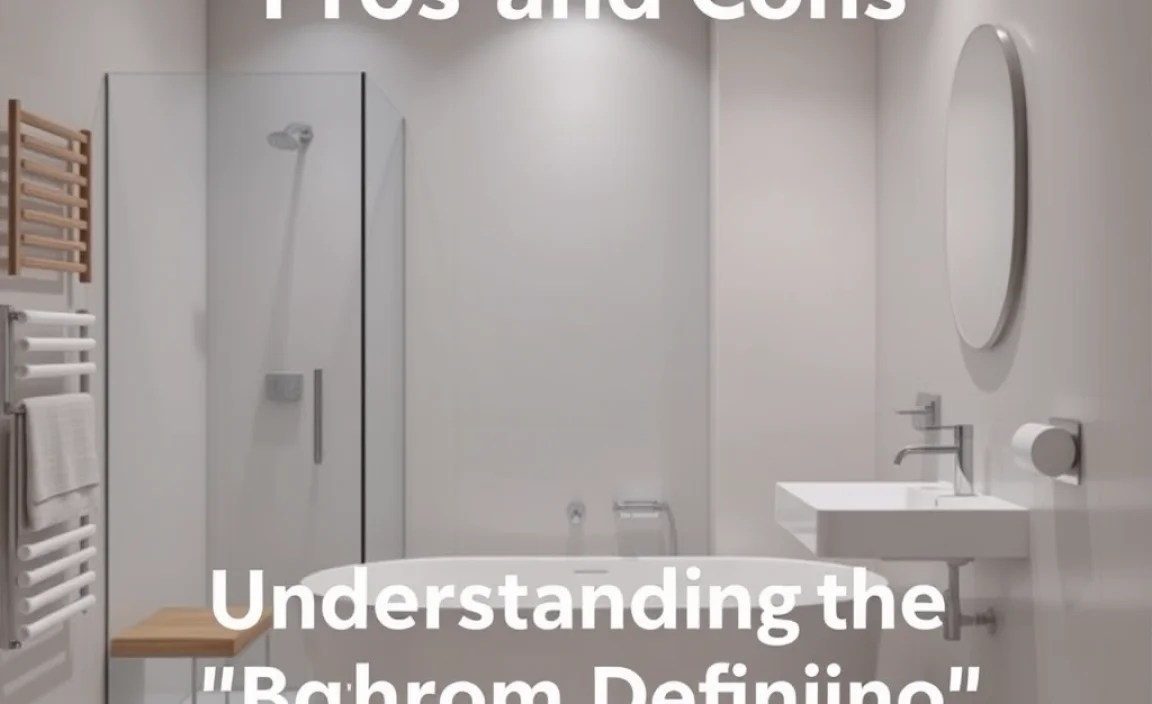
At its heart, a bathroom is a dedicated space within a home or building designed for personal hygiene and sanitation. The most fundamental elements that usually define a bathroom are the presence of a toilet and a sink. These are the absolute minimum requirements for a room to be functionally considered a bathroom in most parts of the world.
However, the concept expands beyond these basics. A full bathroom, often referred to as a bath or a “three-piece” bathroom, also includes a facility for bathing or showering. This could be a bathtub, a shower stall, or often, a combination of both. A “half-bathroom” or “powder room” typically only contains a toilet and a sink, serving as a convenient facility for guests without the full amenities of a larger bathroom.
Essential Bathroom Components and Their Purpose

Let’s break down the core components that make up a bathroom and why they are important:
Toilet: The primary sanitation fixture. It’s designed to receive and dispose of human waste safely and hygienically. Modern toilets are engineered for water efficiency and effective waste removal.
Sink (Washbasin): Used for washing hands, face, and brushing teeth. Sinks come in various styles, from pedestal sinks to integrated vanity sinks, offering both functionality and a design element.
Bathing/Showering Facility:
Bathtub: A larger basin designed for soaking and bathing. Many bathtubs also incorporate a shower head, offering a dual-purpose function. They are excellent for relaxation and are a must-have for households with young children or those who enjoy a long soak.
Shower: A dedicated space with a shower head for a quick wash. Showers are space-efficient and ideal for those with busy lifestyles. They can range from simple enclosed stalls to luxurious, open-plan wet rooms.
The Pros and Cons of Different Bathroom Configurations

The “bathroom definition” isn’t a one-size-fits-all concept. Different configurations offer distinct advantages and disadvantages that homeowners should consider.
Full Bathroom (Toilet, Sink, Tub/Shower)
This is the most common and versatile bathroom setup.
Pros:
- Versatility: Offers facilities for all essential hygiene needs – washing up, using the toilet, and bathing or showering.
- Family Friendly: A bathtub is invaluable for bathing children and pets, and for anyone who enjoys a relaxing soak.
- Maximizes Home Value: A full bathroom is a standard expectation in most homes and contributes significantly to property resale value.
- Guest Convenience: Provides a complete private facility for overnight guests.
Cons:
- Space Requirements: Generally requires more floor space compared to a half-bathroom.
- Cost: Installation and fitting of three or four major fixtures can be more expensive.
- Maintenance: More fixtures mean more potential areas for maintenance and cleaning.
Half-Bathroom (Powder Room – Toilet & Sink)
Often found on main living floors, these are primarily for guests.
Pros:
- Space-Saving: Can be installed in smaller areas, making them ideal for tight spaces or extra convenience on a main level.
- Cost-Effective: Fewer fixtures mean a lower installation cost.
- Guest Convenience: Provides a readily accessible toilet for visitors without them needing to access private family bathrooms.
- Reduced Usage on Full Baths: Can help reduce wear and tear on your main bathrooms.
Cons:
- Limited Functionality: Lacks bathing or showering facilities, making it unsuitable for overnight guests who need to bathe.
- No Family Utility: Not practical for daily family use requiring washing beyond hand-rinsing.
- Potential for Congestion: If it’s the only toilet on a main floor, it can become a bottleneck during gatherings.
Ensuite Bathroom (Private Bathroom Attached to a Bedroom)
This is a luxury feature in many modern homes, directly accessible from a bedroom.
Pros:
- Privacy & Convenience: Offers ultimate privacy and immediate access without leaving the bedroom.
- Luxury Feel: Enhances the feeling of a private sanctuary and can significantly increase a home’s appeal.
- Reduces Morning/Evening Congestion: Eliminates waiting for a shared family bathroom.
Cons:
- Space & Cost: Requires significant space and investment to install or convert.
- Potential for Overlap: If it’s the only full bathroom, it can cause issues if the bedroom occupant needs privacy or if guests arrive suddenly.
- Maintenance: Adds another bathroom to clean and maintain.
Jack and Jill Bathroom
A bathroom accessible from two separate bedrooms, typically sharing a single entrance from each room.
Pros:
- Shared Access: Convenient for siblings or roommates sharing bedrooms.
- Space Efficient: Serves two rooms with a single bathroom installation.
- Maintains Room Privacy: Users don’t have to walk into a common hallway to access the bathroom.
Cons:
- Potential for Conflict: Can lead to scheduling conflicts between the occupants of the two rooms.
- Privacy Concerns: If one occupant has guests needing the bathroom, the other occupant’s privacy might be compromised.
- Maintenance Responsibility: Cleaning and upkeep can sometimes be a point of contention.
Key Considerations for Your Bathroom
When thinking about a bathroom, whether you’re defining its purpose or planning its features, several factors come into play.
Space Availability
The size of the room is a crucial determinant of what can be included. A small room might only accommodate a half-bath or a compact shower stall, while a larger space allows for a full bath, double vanity, or luxurious tub.
Budget
Renovating or building a bathroom can range from a few hundred dollars for a simple half-bath upgrade to tens of thousands for a master suite. Fixtures, tiles, plumbing, and labor all contribute to the overall cost. For a breakdown of project costs, resources like those from BuildingAdvisor.com can offer valuable insights into typical expenses.
Plumbing and Ventilation
Plumbing: The location of existing water supply lines and drainage pipes significantly impacts where you can place toilets, sinks, and showers. Relocating major plumbing can be expensive. Understanding basic plumbing principles and looking at resources from organizations such as the International Code Council (ICC), which sets building safety standards, is important for any homeowner considering renovations.
Ventilation: Proper ventilation is essential to prevent moisture buildup, mold, and mildew. An exhaust fan vented to the outside is usually a requirement and a vital component for a healthy bathroom environment.
Aesthetics and Functionality
Beyond the definition, consider the intended use and style. A guest bathroom might prioritize ease of cleaning and a neutral look, while a master bathroom could focus on comfort, luxury, and personal preferences.
DIY vs. Professional Installation
Deciding whether to tackle bathroom projects yourself or hire a professional is a common dilemma for homeowners.
DIY Pros:
- Cost Savings: Significantly reduces labor costs.
- Sense of Accomplishment: Learning new skills and improving your home yourself is rewarding.
- Flexibility: Work at your own pace and make on-the-spot decisions.
DIY Cons:
- Skill & Knowledge Required: Plumbing and electrical work can be complex and potentially dangerous if not done correctly.
- Time Commitment: DIY projects often take longer than anticipated.
- Potential for Errors: Mistakes can lead to costly repairs and safety hazards, possibly voiding warranties or insurance.
- Tool Investment: May require purchasing or renting specialized tools.
Professional Installation Pros:
- Expertise & Experience: Professionals ensure the work is done to code, safely, and efficiently.
- Time Savings: They can complete the job much faster.
- Warranty & Guarantees: Reputable contractors offer warranties on their workmanship.
- Access to Resources: They have established relationships with suppliers and can advise on the best materials.
Professional Installation Cons:
- Higher Cost: Labor is a significant expense.
- Scheduling: You need to fit into their schedule.
- Less Control: You have less direct control over the day-to-day process.
When in doubt, especially for plumbing and electrical work, hiring a licensed professional is always the safest and most reliable option. Resources like the National Association of Home Builders (NAHB) offer excellent advice on finding and working with qualified contractors.
Common Bathroom Upgrades and Their Impact
Upgrading specific elements can dramatically change a bathroom’s look and feel without a full rebuild.
Vanity and Sink Replacement
This is one of the most impactful visual upgrades. New vanities offer better storage, and modern sinks come in various styles (undermount, vessel, integrated) and materials.
Toilet Upgrade
Modern toilets offer significant water savings (e.g., dual-flush models) and improved flushing power. Bidets and smart toilet seats are also becoming more popular.
Shower and Tub Improvements
This could range from replacing a showerhead for better water pressure and efficiency to a full remodel with new tile, a frameless glass enclosure, or even converting a tub to a walk-in shower for accessibility.
Lighting and Ventilation
Upgrading lighting can make a bathroom feel brighter and more spa-like. Ensuring your exhaust fan is powerful enough and properly vented is crucial for health and longevity.
Tiling
New tile for floors or walls can completely transform the aesthetic of the room, offering endless possibilities for style and color.
Bathroom Safety: A Crucial Component
Regardless of its definition or configuration, bathroom safety must be a top priority.
Preventing Slips and Falls
Non-slip flooring: Tiles with a good coefficient of friction are essential.
Grab bars: Especially important in showers and near toilets for those with mobility issues.
Bath mats: Use non-slip mats both inside and outside the tub/shower.
Water Damage Prevention
Proper sealing: Ensure all grout and caulk are in good condition to prevent water from seeping into walls and floors.
Visible leaks: Regularly check under sinks and around the toilet base for any signs of leaks.
Adequate ventilation: As mentioned, this prevents mold and mildew.
Electrical Safety
GFCI Outlets: Ground Fault Circuit Interrupter outlets are mandatory in bathrooms for safety against electrical shock due to water exposure. They should be installed by a qualified electrician.
Keep electronics away from water: Ensure hair dryers, shavers, and other electrical devices are used at a safe distance from water sources.
Conclusion
Understanding the “bathroom definition” is more than just knowing its components; it’s about appreciating the function, form, and safety of a vital space in your home. Whether you’re looking at a compact powder room or a luxurious master bath, the principles remain the same: a bathroom is a dedicated area for hygiene.
We’ve explored the pros and cons of various configurations, from the essential half-bath for guests to the convenience of an ensuite. By considering space, budget, and safety, and by knowing when to call in the professionals, you can confidently approach any bathroom project. Armed with this knowledge, you’re well-equipped to make informed decisions, ensuring your bathr
