
The Ultimate Guide To Bathroom Pipe Insulation Solutions

Understanding Bathroom Pipe Insulation
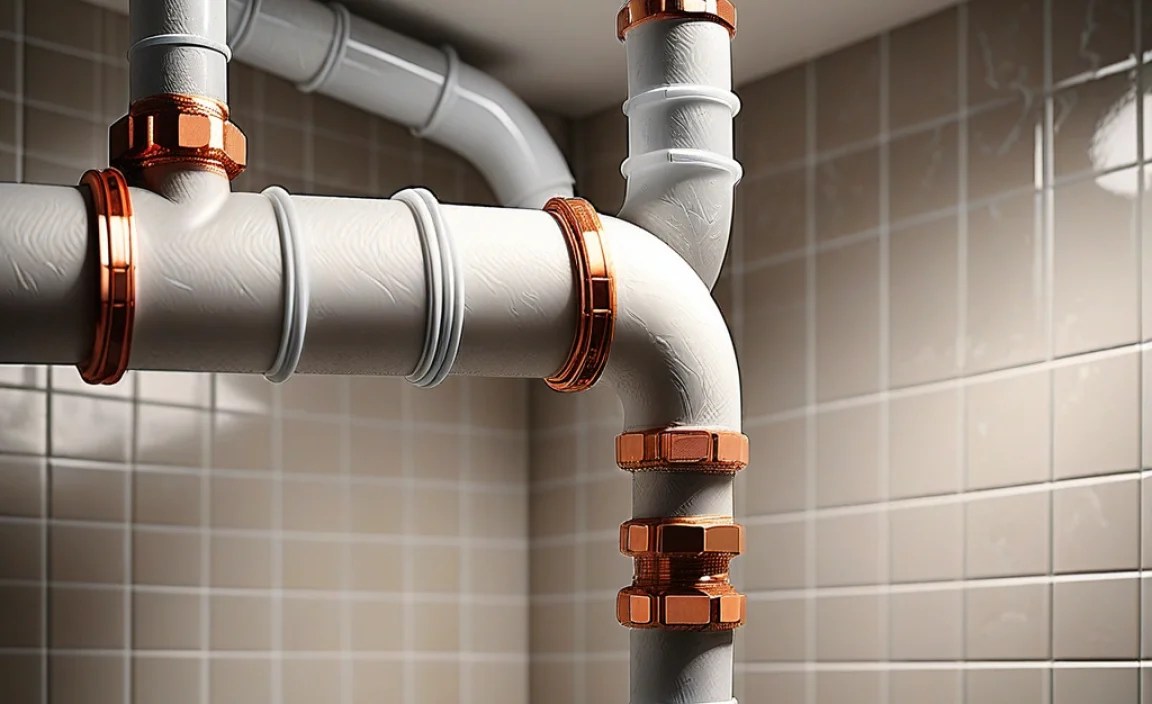
Bathroom pipe insulation helps keep your water pipes warm. When pipes freeze, they can burst and cause big messes. Imagine waking up to a flooded bathroom! By adding insulation, you save money on heating bills too. Curious how to do it? You can use foam sleeves or wrap insulation tape around your pipes. It’s simple and effective. Who wouldn’t want to protect their home with such an easy fix? Don’t wait until it’s too late!
Importance of Pipe Insulation

Benefits of insulating bathroom pipes. Reducing energy costs and preventing heat loss.
Insulating bathroom pipes offers several perks. First, it keeps your water warm, so you won’t do the ice-cream dance waiting for a hot shower. Less heat loss means a cozy bathroom and lower energy bills. Did you know that proper insulation can cut energy costs by up to 20%? That’s money for more bubble baths! So, don’t let your money slip away like water through a leaky pipe—insulate today!
| Benefit | Description |
|---|---|
| Energy Savings | Reduces heat loss and keeps your bills down. |
| Comfort | No more cold surprises in the shower! |
| Longevity | Helps pipes last longer—goodbye rust! |
How to Choose the Right Insulation for Your Bathroom Pipes
Factors to consider (temperature, size of pipes, etc.). Tips for selecting insulation based on specific bathroom needs.
Choosing the right insulation for bathroom pipes isn’t just about keeping things cozy. First, think about the temperature in your bathroom. If it gets really cold, you’ll need thicker insulation. Next, measure the size of your pipes. Pipe sizes vary, and the right fit is key. Also, note if your bathroom is prone to humidity; that could make a difference too!
| Factor | Tip |
|---|---|
| Temperature | Choose thicker insulation for cold bathrooms. |
| Size of Pipes | Measure before buying to avoid a tight squeeze! |
| Humidity | Look for moisture-resistant materials. |
Lastly, consider your bathroom’s layout. Areas with more bends may need extra attention. Remember, good insulation keeps the water flowing and your towels warm. Who doesn’t want that?
Step-by-Step Guide to Insulating Your Bathroom Pipes
Tools and materials needed for insulation. Detailed instructions for DIY insulation project.
To insulate your bathroom pipes, you need some simple tools and materials. Gather the following:
- Pipe insulation foam
- Utility knife
- Measuring tape
- Duct tape
- Scissors
Start by measuring the length of your pipes. Cut the foam to match. Then, wrap the foam around each pipe tightly. Seal the edges with duct tape. Make sure it’s snug and tight. This process will help to keep your water warm and save energy.
What are the benefits of insulating bathroom pipes?
Insulating bathroom pipes keeps water warm and reduces heat loss. It also prevents pipes from freezing in winter. Plus, it can lower your energy bills. It’s a simple way to save money!
Common Mistakes to Avoid When Insulating Pipes
Pitfalls in the insulation process. How to ensure a proper and effective installation.
Insulating pipes may seem easy, but some common mistakes can lead to big headaches. First, don’t skimp on the insulation material. Thin layers are like wearing a t-shirt in winter—not effective! Second, ensure you cover all sections of the pipes. Leaving gaps is like trying to keep a secret in a room full of chatter! Lastly, follow the manufacturer’s instructions carefully. You wouldn’t bake cookies without a recipe, right?
| Common Mistakes | How to Avoid |
|---|---|
| Using too little insulation | Use the recommended thickness. |
| Leaving gaps | Cover all pipe sections evenly. |
| Ignoring instructions | Follow the manufacturer’s guidelines. |
Maintenance Tips for Insulated Bathroom Pipes
How to check for damage or wear. Best practices for maintaining insulation over time.
Checking your bathroom pipe insulation can help avoid problems later. Look for cracks or wear. If the insulation feels soft or damp, it needs attention. To keep it in great shape, follow these tips:
- Inspect regularly, especially in winter.
- Fix any damage right away.
- Keep insulation dry to prevent mold.
- Use covers if pipes are exposed to cold air.
Taking care of your pipes is vital. Well-maintained insulation can save energy and money!
How do I check for damage in pipe insulation?
Look for visible cracks, soft spots, or mold. Regular checks help catch problems early!
What are best practices for maintaining insulation?
Inspect your pipes often, keep insulation dry, and repair any damage quickly.
Professional Insulation Services vs. DIY
When to hire a professional. Cost analysis of DIY vs. professional services.
Sometimes, calling in the pros is the best idea, especially for tricky jobs. If you aren’t sure what to do, or you dread DIY disasters, it’s time to hire a professional. They have the skills to prevent a plumbing “oopsie.” On the other hand, DIY can save money, but it might lead to unwanted leaks or cold showers. Here’s a little cost comparison:
| Service Type | Approximate Cost |
|---|---|
| Professional Insulation | $500 – $1500 |
| DIY Insulation | $50 – $300 |
Remember, saving money shouldn’t come at the cost of your sanity. **Hire experts** if the task feels overwhelming. Your future self will thank you, and you won’t have to wear waders in your own bathroom!
Frequently Asked Questions about Bathroom Pipe Insulation
Common queries and concerns from homeowners. Expert answers to demystify the insulation process.
Homeowners often have questions about bathroom pipe insulation. The process can sound tricky, but it helps save energy and keep your pipes cozy! A common worry is whether the insulation will fit. Well, you can usually find options for any pipe size. Many ask if insulation makes a difference in keeping the water warm. The answer is a big yes! Insulating pipes can cut your energy bills, too. And who wouldn’t want some extra cash for pizza? Let’s check a few more questions!
| Question | Answer |
|---|---|
| Do I need to insulate all my pipes? | Insulating exposed pipes is important, but not every single one needs it. |
| What materials work best? | Foam and fiberglass insulation are top choices! |
| Can I do it myself? | Yes! It can be as easy as wrapping a gift, just without the bow. |
Conclusion
In conclusion, bathroom pipe insulation helps save energy and prevents pipes from freezing. It’s easy and affordable to install. You can protect your home and save money on bills. Check your pipes today! If you want to learn more, look for guides on insulation types and installation tips. Taking action now can make your home more comfortable.
FAQs
What Are The Benefits Of Insulating Bathroom Pipes, Especially In Colder Climates?
Insulating bathroom pipes helps keep them warm in cold weather. This stops the water inside from freezing. If pipes freeze, they might burst and cause big problems. Insulation also saves energy, so your hot water stays warm longer. That can help lower your energy bills too!
What Materials Are Commonly Used For Bathroom Pipe Insulation, And How Do They Differ In Effectiveness?
Common materials for bathroom pipe insulation include foam, rubber, and fiberglass. Foam is soft and easy to wrap around pipes. Rubber is thicker and helps keep heat better. Fiberglass is good for cold pipes but can be itchy to handle. Each material works well in different situations, making some better for warmth and others for cold protection.
How Can Homeowners Properly Install Pipe Insulation In Their Bathrooms To Prevent Heat Loss And Condensation?
To install pipe insulation, first, measure your pipes. Cut the foam or rubber insulation to fit the pipes. Then, wrap the insulation snugly around the pipes. Use tape to hold it in place. This keeps heat in and stops water from dripping.
Are There Specific Codes Or Regulations Regarding Pipe Insulation In Bathrooms That Homeowners Should Be Aware Of?
Yes, there are rules about pipe insulation in bathrooms. You need to make sure pipes are protected to prevent leaks and freezing. Insulation helps keep heat in and cold out. Always check local building codes, as they might have specific requirements. It’s a good idea to ask a professional if you’re unsure.
How Can Inadequate Pipe Insulation Lead To Issues Such As Mold Growth Or Water Damage In A Bathroom?
If pipes in the bathroom don’t have enough insulation, they can get cold. When this happens, water can drip from the pipes. This extra water on the walls or floor can create a wet spot. Mold loves wet spots, so it can start to grow there. Plus, too much water can damage the bathroom walls and floors.
