
Have you ever noticed that pesky silicone sealant in your bathroom? It can get grimy and cracked over time. You might think, “It looks bad, but how do I remove silicone sealant bathroom without making a mess?” You’re not alone. Many people find themselves in this situation.
Removing silicone sealant may seem tricky, but it’s easier than you think! Just imagine a sparkling clean bathroom where everything looks fresh. Isn’t that a great thought? Plus, using the right methods helps you avoid any damage.
Did you know that silicone sealant can trap dirt and grime? That means it’s not just an eyesore; it can cause more issues if left unchecked. With a few simple steps, you can remove it safely and make your space shine again.
Let’s dive in and discover the best ways to remove silicone sealant from your bathroom. Your sparkling clean space awaits!
How To Remove Silicone Sealant Bathroom Effectively

Key Points on Removing Silicone Sealant in the Bathroom
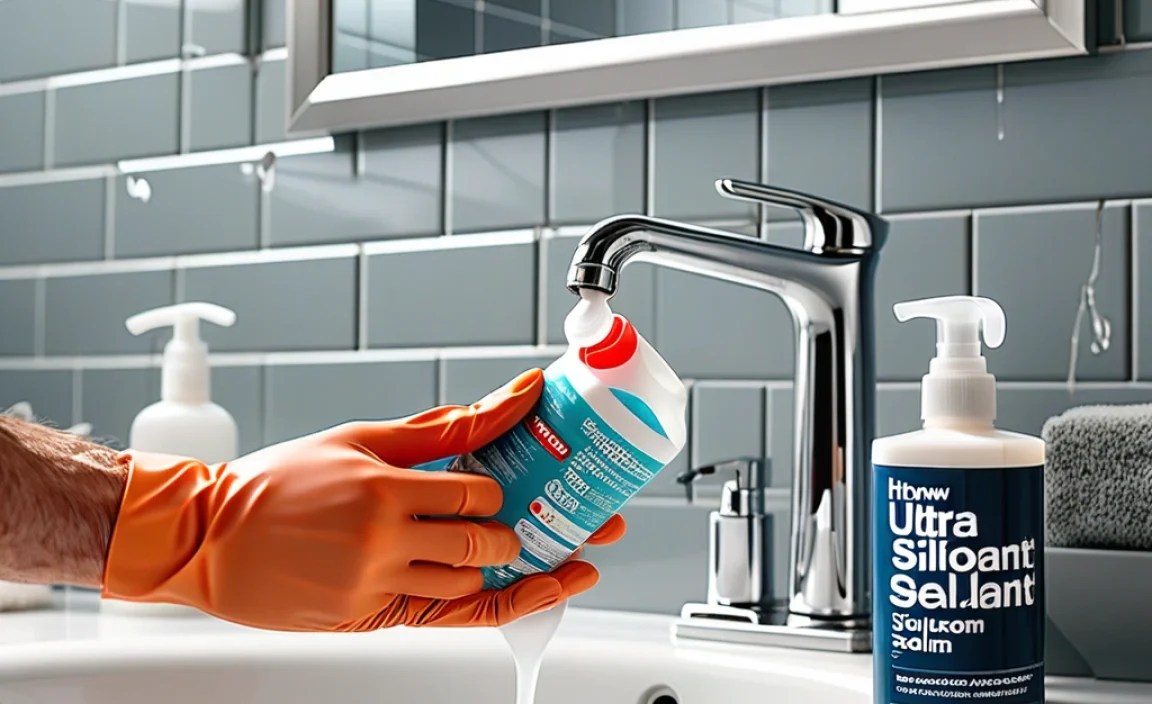
Removing silicone sealant in the bathroom may feel daunting, but it’s simpler than it seems. Start by using a sharp utility knife to cut through the sealant. A paint scraper can help lift it off surfaces. If stubborn, a silicone remover can make the job easier. Always wear gloves and ensure good ventilation. Did you know that old silicone can trap mold? By regularly removing and replacing it, you keep your bathroom fresh and clean!
Understanding Silicone Sealant
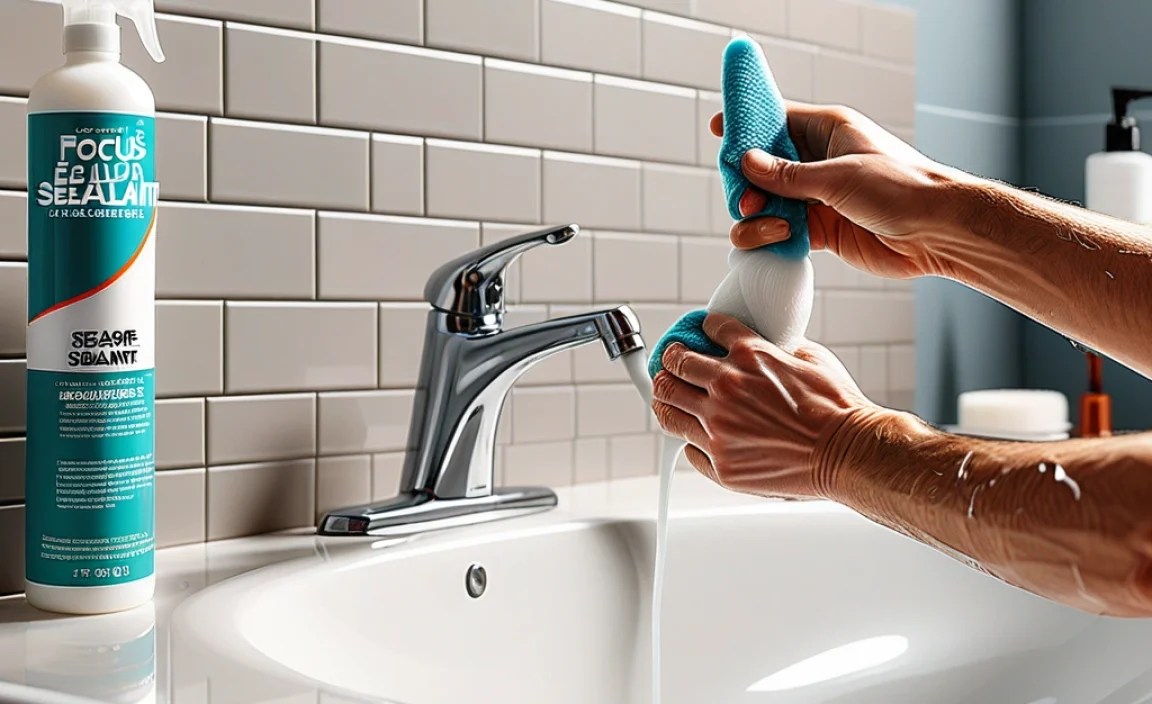
Definition and uses in bathrooms. Advantages of silicone sealant in wet areas.
Silicone sealant is a special type of glue used in bathrooms. It creates a waterproof barrier around sinks, tubs, and tiles. This helps keep water where it belongs—inside your tub and not on the floor! Fun fact: without silicone sealant, your bathroom could turn into a mini swimming pool!
One big advantage of silicone sealant is its resistance to mold and mildew. That means fewer scrubbing sessions for you! Plus, it stays flexible, so it won’t crack or break easily. It’s like giving your bathroom a protective hug!
| Advantages of Silicone Sealant |
|---|
| Waterproof |
| Mold-resistant |
| Flexible |
When to Remove Silicone Sealant
Signs that sealant needs replacement. Common problems caused by degraded sealant.
Noticing some funky stuff in your bathroom? If your silicone sealant looks crumby, it’s time for a change. Signs that your sealant is waving bye-bye include cracks, mold, or peeling. Ignoring these issues can lead to leaky showers and, oh no, water damage! That’s like inviting a dolphin into your living room. Stay dry and safe by swapping out that old sealant. Here’s a quick look at common signs:
| Signs of Degraded Sealant | Common Problems |
|---|---|
| Cracks and Gaps | Water Leaks |
| Mold Growth | Damage to Walls |
| Peeled Edges | Increased Humidity |
Keep your bathroom happy; it’ll thank you with fewer surprises!
Essential Tools for Removal
Recommended tools for easy removal. Safety gear to consider.
To tackle the task of removing silicone sealant, a few tools will make your life much easier. Grab a utility knife or a painter’s scraper. They are great for cutting through the sealant. A silicone remover tool can also work wonders! You might want to wear safety goggles to keep your eyes safe from accidental splashes. A dust mask is a good idea too, because inhaling anything is no fun, especially if it’s something that smells like a fishing trip gone wrong!
| Essential Tools | Safety Gear |
|---|---|
| Utility Knife | Safety Goggles |
| Painter’s Scraper | Dust Mask |
| Silicone Remover Tool | Gloves |
Step-by-Step Guide to Removing Silicone Sealant
Preparing the area for removal. Techniques for effective sealant removal.
Start by making the area tidy. Clear away any tools or items nearby. This helps you see the sealant better. Use a utility knife or razor blade for removal. Cut through the sealant carefully, avoiding damage to walls or surfaces. Applying heat can soften the sealant. A hairdryer works well. Lastly, use a scraper to lift off the sealant bits. Remember, patience is key for a neat result.
How do I safely remove silicone sealant?
To safely remove silicone sealant, use a utility knife and heat to soften the material. Always wear gloves and safety glasses for protection.
Quick Tips:
- Cut along the edges first.
- Keep the area well-ventilated.
- Wipe down with a cloth after removal.
Cleaning Up After Removal
Best practices for cleaning the surface. Recommended cleaning solutions.
After you remove the silicone sealant, cleaning is key for a smooth finish. Start by using a scraper to get rid of any leftover bits. Then, choose a strong cleaner to remove residue. Here are some good options:
- Vinegar
- Dish soap with water
- Rubbing alcohol
- Commercial adhesive remover
These solutions help clear the surface. Remember to wipe it dry afterward. This step is important to prepare the area for new sealant.
What should I do after removing the silicone sealant?
After removal, clean the surface thoroughly to ensure a good seal later.
Cleaning Tips:
- Use warm, soapy water to scrub.
- Rinse well to avoid soap residue.
- Let the area dry completely.
Applying New Silicone Sealant
Tips for selecting the right sealant. Steps for proper application of new sealant.
Choosing the right sealant is key for a good job. Look for waterproof and mold-resistant options. Read labels carefully to find one that fits your needs.
Here are steps for a smooth application:
- Clean the area well to remove old silicone.
- Use painter’s tape to guide your line.
- Apply sealant evenly and smoothly.
- Remove tape before the sealant dries.
- Let it cure according to package instructions.
A good seal protects your bathroom and lasts for years.
How do I choose the right silicone sealant?
Look for a sealant that is waterproof, mold-resistant, and suitable for bathrooms. Read the product label for specific features and guarantees.
Maintenance Tips for Long-Lasting Sealant
Routine inspections and maintenance. Signs to look for that indicate sealant needs attention.
Regular checks help your sealant last longer. Look for these signs to know when your sealant needs attention:
- Cracks in the sealant
- Peeling or lifting edges
- Water stains on walls or ceilings
- Mold or mildew appearing
Keeping an eye on these signs can save you trouble later. A little maintenance goes a long way!
How can I tell if my sealant needs repairs?
If you notice cracks, peeling, or stains, it’s time to act! Regular inspections will help you catch problems early.
Common Mistakes to Avoid
Missteps during removal and application. How to troubleshoot failed sealant installations.
Removing silicone sealant can feel like a wild wrestling match. One common mistake is using a dull blade. A sharp one makes it easier and safer. Also, don’t rush! Take your time with the removal process; hasty moves can leave bits behind, like a cat leaving fur all over your fresh laundry. If your new sealant fails, check for moisture. Sealants hate water, just like cats hate baths! Always read the instructions. They might be boring, but they help avoid blunders.
| Common Mistake | Tip to Avoid |
|---|---|
| Using a dull blade | Choose a sharp one for easier cutting. |
| Rushing the process | Take your time for a clean removal. |
| Ignoring moisture | Ensure the area is dry before applying new sealant. |
| Skipping the instructions | Read them carefully for best results. |
Conclusion
In conclusion, removing silicone sealant from your bathroom can be easy with the right tools. You should use a utility knife, scraping tool, and a good cleaner. Always work slowly and carefully. After you finish, apply new sealant for a fresh look. For even more tips, consider reading guides on home repairs. You can do this!
FAQs
Sure! Here Are Five Related Questions On The Topic Of Removing Silicone Sealant In The Bathroom:
To remove silicone sealant in your bathroom, first, you need a few tools. Get a utility knife, a putty knife, and some rubbing alcohol. Carefully cut the sealant with the knife. Then, use the putty knife to lift it off. Wipe the area with rubbing alcohol to clean it up!
Of course! Please provide the question you’d like me to answer, and I’ll do my best to help.
What Are The Best Tools And Methods For Effectively Removing Silicone Sealant From Bathroom Surfaces?
To remove silicone sealant from bathroom surfaces, you can use a few simple tools. First, get a utility knife or a razor blade to cut the sealant. Be careful so you don’t scratch the surface! You can also use a special silicone remover from the store to help break it down. Finally, a wet sponge or cloth helps clean up the area after you’re done.
How Do You Identify Whether Silicone Sealant Or Another Type Of Caulk Is Used In Your Bathroom?
To tell if you have silicone sealant or another caulk in your bathroom, feel the texture. Silicone is smooth and a bit flexible. Other caulks may feel rough or hard. You can also smell it; silicone has a rubbery scent. Lastly, check the label if you can see it; it usually tells you what it is.
Are There Any Specific Cleaning Solutions Or Solvents That Can Help Dissolve Silicone Sealant?
Yes, there are cleaning solutions that can help with silicone sealant. You can use rubbing alcohol or acetone. These are special liquids that help break down the silicone. You should always be careful and wear gloves when using them. Also, make sure to work in a well-ventilated area.
What Safety Precautions Should Be Taken When Removing Silicone Sealant In A Confined Space Like A Bathroom?
When removing silicone sealant in a small space like a bathroom, you should open a window or door. This lets fresh air come in. Wear gloves to protect your hands and a mask if it feels stuffy. Keep tools and sharp objects away from yourself to stay safe. Always have a grown-up nearby to help if needed.
How Can You Prevent Mold And Mildew When Reapplying Sealant After Removing Old Silicone In The Bathroom?
To prevent mold and mildew when putting new sealant in the bathroom, first, make sure the area is dry. You can use a fan or open a window to help. Then, clean the surface well with a mixture of water and vinegar. After that, apply the new sealant, making sure to follow the instructions. This will help keep your bathroom fresh and free from mold!
