
Quick Summary: Understanding repair drain cost is essential for homeowners. Minor clogs might cost $100–$300, while major pipe issues or replacements can range from $500 to $4,000 or more. Getting multiple quotes and knowing common repair types helps manage expenses effectively.
Dealing with a clogged or damaged drain is never fun. It creates an inconvenient mess and can sometimes lead to bigger problems if not addressed quickly. Many homeowners worry about the “repair drain cost,” fearing it will be a hefty, unexpected bill. But don’t let that stress you out! This guide will break down exactly what influences the cost of drain repairs and what you can expect. We’ll walk you through common issues, from simple clogs to more complex pipe problems, and give you the knowledge to get the best value for your money. Ready to tackle that drain issue like a pro?
Understanding Drain Repair Costs: What You Need to Know
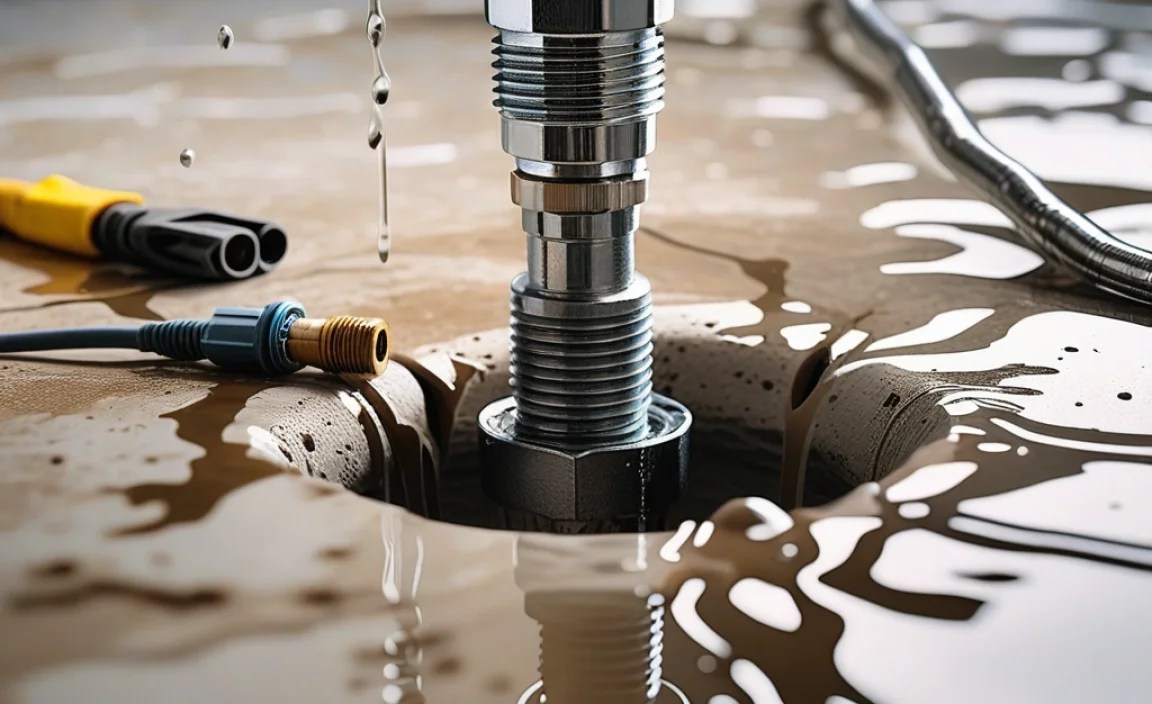
When a drain starts acting up, the first thought is often, “How much will this cost to fix?” The truth is, there’s no single answer because drain repair costs can vary quite a bit. Several factors come into play, and understanding them will help you get a clearer picture of your potential expenses and make informed decisions.
Think of it like a doctor’s visit: a simple check-up is different from surgery, and the same applies to drains. The complexity of the problem, the type of drain, the materials needed, and where you live all play a role in the final bill. Our goal is to demystify these costs, so you’re prepared and confident when you need to call in the professionals or even tackle a minor repair yourself.
Factors Affecting Repair Drain Cost
Several key elements contribute to the overall cost of repairing a drain. Being aware of these can help you anticipate expenses and even find ways to save money.
- Severity and Type of Problem: Is it a simple clog, a slow drain, a leak, or a damaged pipe? A minor clog is usually the cheapest to fix, while a burst pipe requiring extensive work will cost significantly more.
- Location of the Problem: A drain issue located in an easily accessible area, like under a sink, will be less costly to repair than one deep within a wall, under a concrete slab, or in a hard-to-reach basement.
- Type of Pipe Material: Different pipe materials (like PVC, copper, cast iron) have different costs for repair and replacement. Older homes might have more challenging materials like galvanized steel or lead, which can increase labor and material costs.
- Labor Costs: Plumbers’ rates vary by location and experience. Urban areas often have higher labor costs than rural ones. Emergency calls outside of regular business hours will also incur premium charges.
- Tools and Technology Used: Simple clogs might be handled with basic tools. However, more complex issues might require specialized equipment like video drain cameras for inspection or hydro-jetting machines for cleaning, adding to the overall cost.
- Parts and Materials: The cost of replacement parts, if needed (like a new trap, P-trap, or even a section of pipe), will be added to the bill.
- Permits: For major renovations or significant plumbing work, local building codes might require permits, which add to the expense.
Common Drain Problems and Their Associated Costs

Let’s dive into the most frequent drain issues homeowners face and what you can generally expect to pay for their repair. Remember, these are estimates, and your actual cost may vary.
1. Clogged Drains
This is by far the most common drain problem. Clogs can happen in sinks, showers, toilets, and tubs.
- Minor Clogs (e.g., hair in shower, food in sink): These are often fixable with a plunger, drain snake, or a professional using a plumber’s auger or basic drain cleaning machine.
- DIY: $5 – $30 (for tools like plungers, snakes, or drain cleaners)
- Professional: $100 – $300
- Stubborn Clogs (e.g., deep in the pipe, caused by grease buildup): These might require a powerful drain cleaning machine, or for the plumber to access the pipe from an exterior cleanout.
- Professional: $150 – $400
- Toilet Clogs: Often due to too much toilet paper or foreign objects.
- DIY: $10 – $50 (plunger, toilet auger)
- Professional: $100 – $250
- Main Sewer Line Clogs: These affect multiple drains and indicate a blockage in the primary pipe feeding your home. This is a more serious issue.
- Professional: $200 – $600+ (for cleaning); can be much higher if pipe damage is found.
2. Leaking Drains and Pipes
A leak, even a small one, can cause significant water damage over time. The cost depends on the size of the leak and where it’s located.
- Leaky P-Trap or Sink Connections: These are usually simple fixes involving tightening fittings or replacing a worn gasket or the trap itself.
- DIY: $10 – $50 (for parts like a new P-trap)
- Professional: $150 – $350
- Leaky Pipes within Walls or Ceilings: This is more complex. It involves locating the leak (sometimes with a camera), cutting into drywall or plaster, repairing or replacing the damaged pipe section, and then repairing the wall/ceiling.
- Professional: $300 – $1,000+
3. Slow Draining
A slow drain is often a precursor to a full clog. It can be caused by minor buildup in the pipes.
- Minor Buildup: May be addressed with drain cleaners, boiling water, or a plunger.
- DIY: $5 – $30
- Professional: $100 – $300 (if professional cleaning is needed)
4. Damaged or Collapsed Pipes
This is one of the most expensive drain repairs. Pipes can become damaged due to corrosion, tree roots, ground shifting, or old age.
- Pipe Repair: Small sections of damaged pipe may be replaced.
- Professional (Minor section): $500 – $1,500
- Pipe Lining/Trenchless Repair: A high-tech solution where a new pipe lining is inserted into the old one, often without extensive digging. It’s less disruptive but can be costly.
- Professional: $1,500 – $5,000+
- Full Pipe Replacement: If a significant portion or the entire sewer line is damaged, it may need to be excavated and replaced. This is the most expensive type of repair.
- Professional: $3,000 – $10,000+ (depending on length and accessibility)
Estimated Repair Drain Cost Table

To give you a clearer overview, here’s a table summarizing typical costs for common drain repair scenarios. These are national averages, and actual prices can be higher or lower based on your specific situation and location.
| Type of Drain Problem | Typical DIY Cost (if applicable) | Typical Professional Cost | Notes |
|---|---|---|---|
| Minor Clog (Sink, Shower, Toilet) | $5 – $50 | $100 – $300 | Hair, food, minor obstructions cleared with auger or machine. |
| Stubborn Clog (Grease, deep obstruction) | N/A | $150 – $400 | May require more powerful equipment. |
| Main Sewer Line Clog | N/A | $200 – $600+ | Affects multiple drains. Cost increases if pipe damage is found. |
| Leaky P-Trap/Sink Connection | $10 – $50 (parts) | $150 – $350 | Tightening fittings or replacing trap/gaskets. |
| Leaky Pipe in Wall/Ceiling | N/A | $300 – $1,000+ | Labor-intensive due to locating leak and repairing surrounding structures. |
| Damaged Pipe Section Replacement | N/A | $500 – $1,500 | For small, accessible sections of pipe. |
| Trenchless Pipe Lining | N/A | $1,500 – $5,000+ | Less disruptive than excavation for sewer lines. |
| Full Sewer Line Replacement | N/A | $3,000 – $10,000+ | Most expensive, involves excavation. |
DIY vs. Professional Drain Repair: Which is Cheaper?

For many homeowners, the first instinct when facing a minor drain issue is to try a DIY fix to save money. While this is often possible and effective for simple clogs, it’s crucial to know when to call in the pros.
DIY Drain Repair
When it’s a good idea:
- You have a sink, shower, or tub drain that is slow or completely clogged, and you suspect it’s a simple obstruction near the drain opening.
- You have the right basic tools like a plunger, a drain snake (also called an auger), or natural cleaning agents.
- You are comfortable with basic plumbing tasks and understand the anatomy of a P-trap or simple pipe connection.
Potential Savings: You can save money on labor costs. Tools are relatively inexpensive and can be reused. For example, a good plunger might cost $10-$20, and a basic drain snake $20-$50.
Risks: Using harsh chemical drain cleaners can damage pipes and be harmful to you and the environment. Incorrectly using drain snakes can push the clog further down or damage pipes. Without proper knowledge, you might make the problem worse, leading to a more expensive professional repair.
Professional Drain Repair
When it’s a good idea:
- Multiple drains in your home are affected. This usually indicates a problem with the main sewer line.
- You’ve tried DIY methods and the clog persists.
- You suspect a leak, cracked pipe, or root intrusion.
- The repair involves accessing pipes within walls, under slabs, or in the main sewer line.
- You aren’t comfortable with the task or lack the necessary specialized tools.
Costs Involved: You’ll pay for the plumber’s expertise, diagnostic tools (like cameras), specialized equipment (hydro-jetting), and labor. Emergency service calls will also increase the cost.
Benefits: Professionals have the experience and tools to diagnose problems accurately and fix them efficiently and safely. They can also identify underlying issues you might miss, preventing future problems and saving money in the long run. Reputable plumbers offer warranties on their work.
How to Get the Best “Repair Drain Cost”
Nobody enjoys paying for unexpected repairs, but there are smart ways to manage and potentially reduce your “repair drain cost.”
- Get Multiple Quotes: For any significant repair, always get estimates from at least three different licensed plumbers. Compare not just the price but also what’s included, the warranty, and the plumber’s reputation.
- Ask for Detailed Estimates: Ensure the estimate clearly outlines the problem, the proposed solution, the cost of parts, and the labor charges. This avoids hidden fees later.
- Consider Trenchless Technology: For main sewer line issues, ask if trenchless repair options like pipe lining are suitable. While the upfront cost might seem higher, it can save money on landscaping and restoration compared to traditional digging. The U.S. Environmental Protection Agency (EPA) provides information on trenchless technology for sewer systems.
- Preventative Maintenance: Regular drain cleaning and maintenance can prevent clogs and identify minor issues before they become costly repairs. Consider periodic professional drain cleaning, especially if you have older pipes or a history of clogs. Many homeowners choose to schedule this service annually.
- DIY for Simple Fixes: For minor clogs, use simple, safe methods first (plunger, baking soda and vinegar). Avoid harsh chemicals that can cause damage.
- Understand Your Home’s Plumbing: Knowing the age and material of your pipes can help you anticipate potential problems and understand why certain repairs might be more expensive.
- Be Prepared for Emergencies: Keep a list of trusted, 24/7 emergency plumbers in your area. While emergency services cost more, having a trusted contact can save you from shoddy workmanship under pressure.
What to Do When You Suspect a Drain Problem
If you notice any of the following signs, it’s time to investigate further and potentially call a professional:
- Slow Drains: As mentioned, this is often the first indicator of buildup or a partial clog.
- Gurgling Sounds: These noises from your drains, especially when other fixtures are used, can signal an issue with venting or a blockage in the main line.
- Foul Odors: Bad smells coming from drains can indicate trapped waste or sewer gases escaping due to a clog or vent issue.
- Multiple Clogged Fixtures: If toilets, sinks, and showers are all draining slowly or backing up, it strongly suggests a problem with your main sewer line.
- Water Backups: When water backs up into a sink or tub when you flush a toilet or run another fixture, it’s a clear sign of a significant blockage downstream.
- Visible Leaks: Any dampness, water stains, or dripping around pipes or fixtures should be addressed immediately.
Early detection is key to minimizing both the inconvenience and the “repair drain cost.” When in doubt, a quick call to a qualified plumber for an inspection can save you a lot of trouble down the line.
FAQ: Your Drain Repair Questions Answered
Here are some common questions about repair drain cost and related issues:
Q1: How much does it usually cost to unclog a drain yourself?
A1: For minor clogs, DIY costs are minimal, usually ranging from $5 for basic tools like a plunger or baking soda to $50 for a simple drain snake. It’s a cost-effective first step for simple issues.
Q2: What is the average cost for a plumber to fix a clogged drain?
A2: The average cost for a plumber to unclog a drain typically falls between $100 and $300 for simple clogs cleared with standard equipment. More complex clogs or issues requiring specialized tools can increase this to $400 or more.
Q3: Is it cheaper to fix a leaky pipe myself or pay a plumber?
A3: Fixing a leaky pipe yourself can be cheaper if it’s a simple issue like a loose fitting or a small section of pipe that’s easily accessible and you have the right parts. For leaks inside walls or complex pipework, a professional’s diagnosis and repair are often more cost-effective in the long run, preventing further damage and ensuring a proper fix.
Q4: How much does a sewer line clog repair typically cost?
A4: Cleaning a sewer line clog can cost $200 to $600+. However, if the clog is due to a damaged or collapsed pipe, repairs can range from $500 for minor sections to $10,000+ for a full sewer line replacement. Trenchless repair methods can also fall in the $1,500 – $5,000+ range.
Q5: Should I use chemical drain cleaners? Are they expensive?
A5: Chemical drain cleaners are generally not recommended. While they can be inexpensive ($5-$15 a bottle), they can damage your pipes (especially older ones), harm the environment, and pose health risks. They are often less
