
Do you ever hear that sad little swirl in the toilet, but no real flush? It can be frustrating when you know your toilet isn’t working right. Many people face this issue with weak toilet flushes. You might be surprised to learn that a weak flush can come from simple problems.
Imagine you just finished using the bathroom. You pull the handle, but nothing happens. It’s like the toilet is on vacation! This situation is more common than you think.
In this article, we will explore how to fix weak toilet flushes. You’ll find helpful tips and easy fixes that you can do yourself. Get ready to say goodbye to annoying weak flushes!
How To Fix Weak Toilet Flush: Simple Solutions And Tips

A weak toilet flush can be frustrating. Imagine waiting for the bowl to empty and it just doesn’t. You can fix this with a few easy steps. First, check for clogs in the pipes. Sometimes a quick plunge does the trick. Next, inspect the flapper valve. A worn or dirty flapper can stop water flow. Cleaning or replacing it might help. Lastly, don’t forget the tank water level—too low can cause a weak flush. Simple fixes lead to a powerful flush!
Common Causes of a Weak Toilet Flush

Clogged toilet bowl or tank. Insufficient water supply or pressure.
A weak flush can be frustrating. Several factors can cause this issue. First, a clogged toilet bowl or tank may prevent water from flowing freely. Debris, like toilet paper or waste, can create a blockage. Second, an insufficient water supply or pressure can also weaken the flush. Low water levels in the tank can lead to poor flushing power. It’s important to investigate these common causes to fix the problem.
What causes a weak toilet flush?
The main causes are a clogged toilet bowl or tank and insufficient water supply or pressure.
Key Points:
- A clogged toilet can block water flow.
- Low water levels lead to weak flushing.
- Check for debris in the toilet or tank.
Identify the Symptoms of a Weak Flush
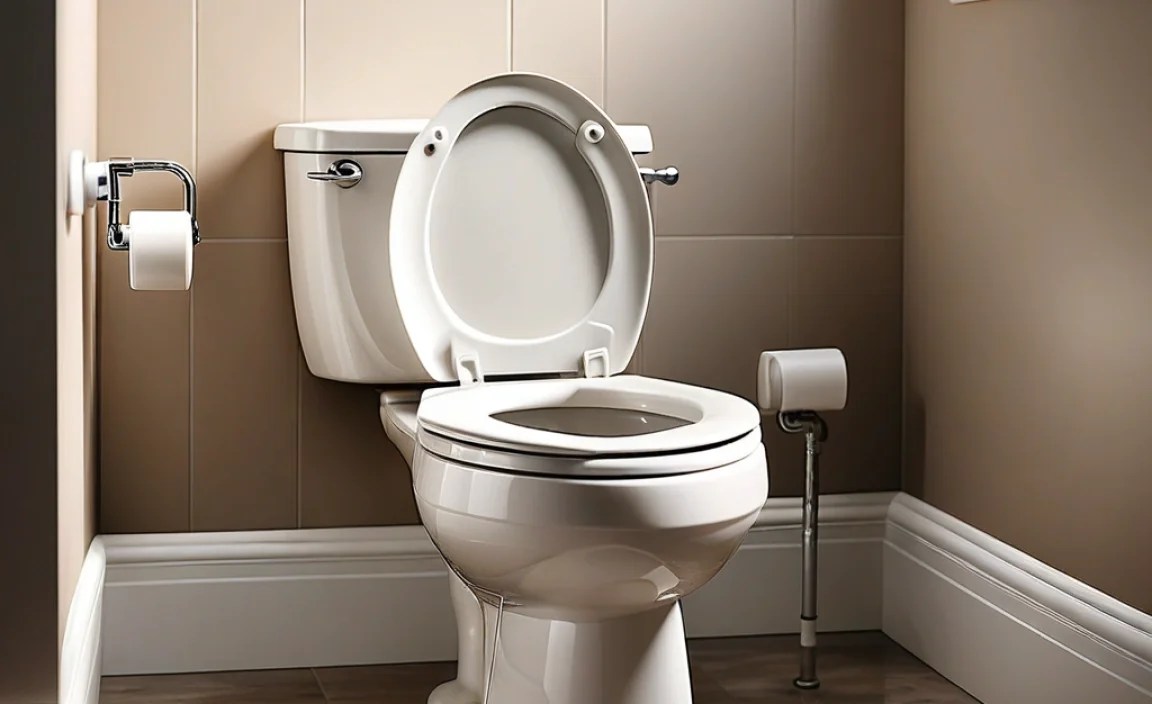
Signs indicating a weak toilet flush. Differences between a weak flush and a complete clog.
A weak toilet flush can cause some real annoyances. You might notice slow water flow or partial bowl emptying after a flush. It can seem like the toilet struggles to clear everything completely. Other signs include:
- Your toilet takes time to refill.
- It gurgles or makes strange noises.
- The flush feels weaker than usual.
This differs from a complete clog, where nothing goes down at all, leaving a full bowl. Recognizing these symptoms helps you fix problems early. Remember, a weak flush is a sign you need to act before more issues arise!
What does a weak toilet flush indicate?
A weak flush shows there may be poor water flow or a blockage. Catching these signs early can save you headaches later on.
Step-by-Step Troubleshooting Guide
Initial checks to diagnose the issue. Tools needed for troubleshooting.
Let’s start by being Sherlock Holmes for your toilet troubles! First, check if the tank is filling properly. Often, a low water level is the sneaky culprit behind that weak flush. Next, inspect the flush handle. Is it stiff or stuck? If yes, give it a gentle nudge. Now, you’ll need a few tools: a wrench, a screwdriver, and maybe a rubber ducky for moral support. Trust us, duckies help! Here’s a handy table for your toolbox:
| Tool | Purpose |
|---|---|
| Wrench | Adjust bolts |
| Screwdriver | Fix loose parts |
| Rubber Duck | Moral support |
Once you’ve gathered your tools, you’ll be ready to tackle those issues head-on. It’s time to bring back the power of a super flush!
Fixing Clogs Without a Plumber
Techniques for using a plunger effectively. How to use plumbing snakes or augers.
Using a plunger can help you fix clogs quickly. First, make sure the plunger is clean and dry. Place it over the drain and push down hard. Then, pull up quickly. Repeat this a few times to create a strong vacuum. This often clears the blockage. If that doesn’t work, try a plumbing snake. Insert the snake into the drain and turn it until you feel resistance. Pull it back to remove the clog.
- Choose the right type of plunger.
- Ensure a good seal around the drain.
- Use strong and steady movements.
- Remove any visible debris before plunging.
How do I know if my plunger works?
If your plunger works, you should feel resistance when pulling up. Also, water should start draining again. If it doesn’t, it might be time to use a snake or call for help.
Remember, keeping clogs away means regular maintenance. Try not to flush anything besides waste and toilet paper. A little care goes a long way!
Adjusting the Toilet Tank Components
How to check and adjust water level in the tank. Steps to inspect and replace worn out flapper or fill valve.
Checking your toilet tank is important for a strong flush. First, look inside the tank. Make sure the water level is about an inch below the top of the overflow tube. If it’s too low, adjust the float by turning the screw or moving the arm. Next, check the flapper and fill valve. If they appear worn, replace them. Here’s how:
- Inspect the flapper for wear or tears.
- Remove it if damaged and buy a new one.
- Make sure the fill valve works by testing the water flow.
- Replace it if it’s not working right.
How to check water level and replace parts?
Ensure the water level is right; adjust if needed. Replace old flappers and valves to fix the flush issue.
Upgrading Toilet Components for Better Performance
Benefits of installing a highefficiency toilet. Recommendations for parts that improve flushing power.
Upgrading toilet parts can make a big difference in how well your toilet works. Switching to a high-efficiency toilet saves water and is better for the environment. Plus, it can help lower your water bill. To boost flushing power, consider these upgrades:
- Flushing system: Choose toilets with powerful flush technology.
- Flush valve: Install larger valves for better flow.
- Jet action: Use toilets with a jet or siphon action to help push waste away.
These changes lead to a cleaner bowl and fewer clogs. Your bathroom can quickly become more efficient and effective!
What are the benefits of a high-efficiency toilet?
A high-efficiency toilet saves water, lowers bills, and applies eco-friendly standards. This type of toilet uses about 1.28 gallons per flush, compared to 1.6 gallons in standard toilets. Over a year, this can save a family thousands of gallons!
When to Call a Professional Plumber
Signs that indicate professional help is necessary. Estimated costs for plumbing services related to flushing issues.
Sometimes, your toilet might need a little professional help. Look for signs like strange noises, constant running water, or an empty bowl that just won’t fill up. If you feel like your flush is performing a slow-motion movie, it’s time to call in the pros.
Plumbing services for flushing problems usually cost between $100 and $300, depending on what’s wrong. Remember, fixing that weak flush could save you from flooding your bathroom—or at least from a very embarrassing situation!
| Signs You Need a Plumber | Estimated Cost |
|---|---|
| Strange Noises | $100 – $200 |
| Constant Running Water | $150 – $250 |
| Weak Flush | $100 – $300 |
Preventative Measures to Avoid Future Problems
Regular maintenance tips for optimal toilet function. Best practices for using the toilet to prevent clogs.
To keep your toilet working well, regular maintenance is key. Check for leaks and clean the tank and bowl often. This will help avoid bigger problems later. Remember, be careful about what you flush. Items like wipes, paper towels, and even excessive toilet paper can cause clogs. Follow these tips:
- Flush only toilet paper
- Keep a small trash can handy
- Check for wear on parts regularly
By following these steps, you’ll keep your toilet functioning smoothly. A little care goes a long way!
What are some tips to avoid clogs in your toilet?
Flush only the right things, clean regularly, and avoid overloading your toilet with paper. These simple actions make a big difference in toilet health!
Conclusion
In conclusion, fixing a weak toilet flush is simple. First, check for clogs and clean the parts. You might need to adjust the flapper or fill valve. These steps can make a big difference. If problems persist, consider seeking help. You can also read more online for tips. Let’s keep our toilets flushing strong!
FAQs
What Are The Common Causes Of A Weak Toilet Flush?
A weak toilet flush can happen for a few reasons. First, there might not be enough water in the tank. If the flapper, a rubber part in the tank, is stuck or broken, it can also cause problems. You might have a clog in the pipes, which makes it hard for water to flow. Lastly, the holes where the water comes out might be dirty.
How Can I Determine If The Flapper Valve Is Contributing To The Weak Flush?
To check if the flapper valve is the problem, first, lift the toilet tank lid. Look inside and find the flapper, which is a rubber part that opens and closes. Press down on it and see if the water flushes better. If it does, the flapper might be worn out and needs to be replaced. You can also look for leaks around it or if it doesn’t close tightly.
What Adjustments Can Be Made To The Water Level In The Toilet Tank To Improve Flushing Power?
To improve flushing power, you can adjust the water level in the toilet tank. Look for a small float that moves up and down. If the float is too low, it won’t let enough water in. You can turn a screw or adjust a clip to raise the float. This way, the tank fills with more water for a stronger flush.
Are There Any Diy Methods To Clean The Toilet’S Siphon Jet Or Rim Holes To Enhance Flushing Efficiency?
Yes, you can clean the toilet’s siphon jet and rim holes at home! First, use a long brush to scrub them. Then, pour vinegar or baking soda into the holes and let it sit. This helps break down any clogs. Finally, flush the toilet to wash everything away. Your toilet should flush better now!
When Should I Consider Replacing The Toilet Or Its Components Instead Of Trying To Fix A Weak Flush?
You should think about replacing the toilet if it’s very old or keeps having problems. If fixing it costs a lot of money, getting a new one might be better. Also, if the toilet leaks or cracks, it’s often safer to replace it. Sometimes, a new toilet can save water and work much better.
