
Have you ever wondered what the difference is between caulk and grout in your bathroom? Many people face this question when they start a home project. It’s easy to think they are the same, but they serve different purposes. Imagine fixing a leaky sink or sealing bathroom tiles. You need to know which one to use!
Here’s a fun fact: Caulk is like a flexible seal, while grout is a solid filler. Caulk can stretch and bend. This makes it perfect for corners and edges. Grout, on the other hand, keeps tiles in place. Understanding these differences can help you keep your bathroom looking great!
As we dive deeper into this topic, you’ll learn when to use each one. You’ll also discover tips for choosing the right product. By the end, you’ll feel confident to tackle your bathroom projects!
Caulk Vs Grout In Bathroom: Key Differences Explained
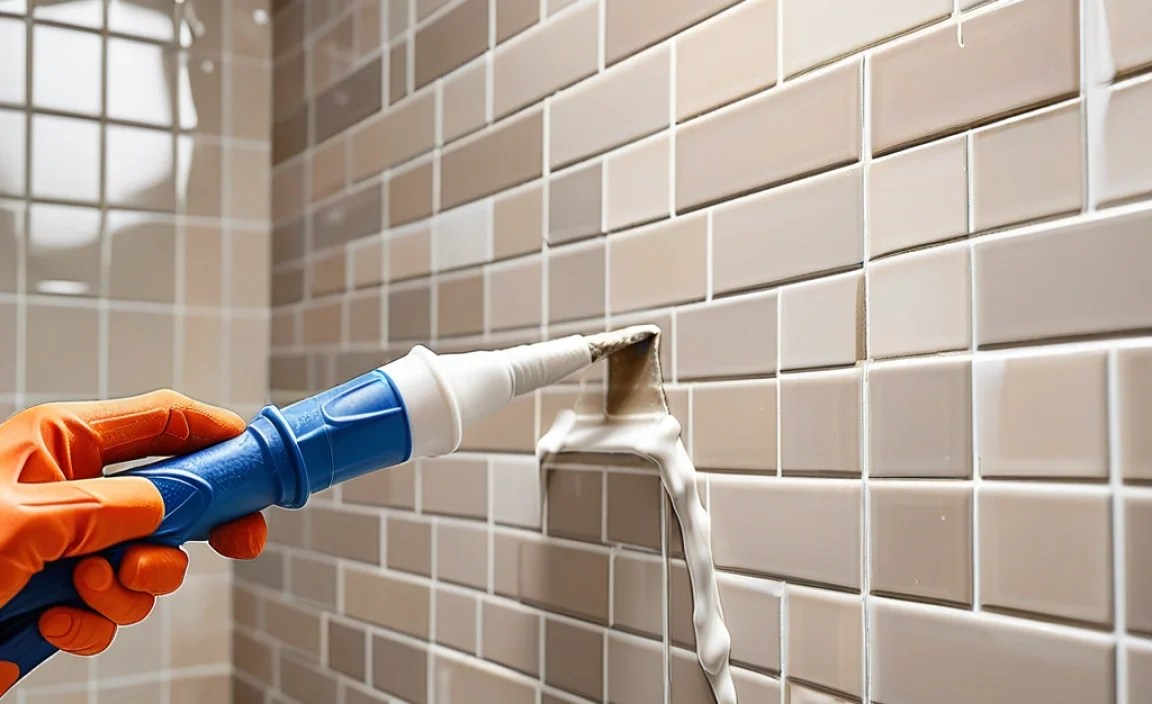
Understanding Caulk vs Grout in the Bathroom

Are you confused about caulk and grout? You’re not alone! Both play key roles in your bathroom but serve different purposes. Caulk fills gaps and seals areas, keeping water out. It’s flexible and great for corners and edges. On the other hand, grout fills spaces between tiles, providing a sturdy finish. Think of grout as the glue that holds your tiles together. Knowing when to use each can help keep your bathroom looking fresh and clean!
Understanding Caulk and Grout
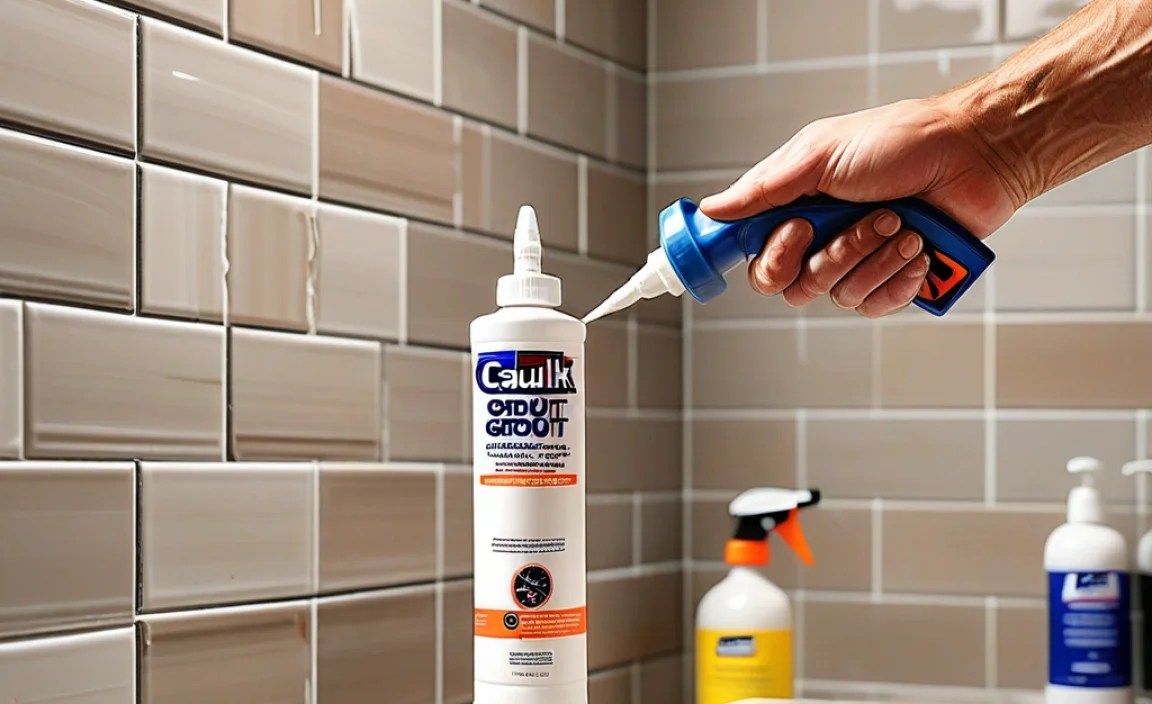
Definitions and purposes in bathroom applications. Material differences and properties.
Caulk and grout play important roles in bathrooms. Caulk is a flexible sealant used around sinks, tubs, and toilets to prevent water leaks. It’s great for filling small gaps. Grout is more rigid and fills spaces between tiles. It helps keep water out. Here are some key differences:
- Flexibility: Caulk is flexible; grout is hard.
- Use: Caulk works for edges; grout fits between tiles.
- Materials: Caulk is made of rubber or silicone; grout is cement-based.
Understanding these differences helps you choose the right product for your bathroom.
What is the main difference between caulk and grout?
The main difference is that caulk is flexible and is used to seal gaps, while grout is rigid and fills spaces between tiles.
When to Use Caulk in the Bathroom

Ideal areas for caulk application (e.g., tub edges, sinks). Benefits of using caulk for flexibility and water resistance.
In your bathroom, caulk has its shining moments! It’s perfect for spots where flexibility is key, like at the edges of your bathtub, around sinks, and even where tiles meet walls. Why? Because caulk is a superhero against water. It creates a strong seal, keeping everything nice and dry, which is great for avoiding mold. Trust me, your bathroom will thank you!
| Ideal Areas for Caulk | Benefits |
|---|---|
| Bathtub edges | Flexible and water-resistant |
| Sinks | Prevents leaks |
| Shower doors | Mold resistance |
| Tile joints | Easy to apply |
So, remember, caulk is your go-to for keeping those pesky water spills at bay. It’s like a cozy blanket for your bathroom surfaces!
When to Use Grout in the Bathroom

Perfect scenarios for grout application (e.g., tile spaces). Advantages of grout for durability and structural integrity.
Grout is perfect for sealing gaps between tiles in a bathroom. It helps keep water out and adds strength. You should use grout in the following situations:
- When filling spaces between floor tiles
- In areas around bathroom walls
- For tiles in showers and tubs
Grout’s advantages include:
- Durability: It can last for many years.
- Structural integrity: It helps tiles stay in place.
This makes grout a smart choice for keeping your bathroom strong and dry!
Why is grout important in bathrooms?
Grout helps prevent water damage and keeps tiles secure. It protects your bathroom from leaks that could cause big problems later.
Key Differences Between Caulk and Grout
Comparison of flexibility, water resistance, and aesthetics. Pros and cons of each material.
Caulk and grout serve different purposes in bathrooms, and knowing their differences helps! First, caulk is flexible. It bends without breaking. Meanwhile, grout is like a superhero—it’s strong and stays put! In terms of water resistance, caulk wins since it blocks water better than grout.
Now for aesthetics, caulk can come in fun colors, while grout is usually gray. But be careful! Caulk can crack over time, while grout may chip. Here’s a quick comparison:
| Feature | Caulk | Grout |
|---|---|---|
| Flexibility | High | Low |
| Water Resistance | Excellent | Good |
| Aesthetics | Colorful | Standard |
| Durability | Moderate | High |
Deciding between them is like choosing between ice cream and cake—both are great, but each has its sweet spot!
Application Techniques
Stepbystep guide for applying caulk in a bathroom setting. Stepbystep guide for applying grout in a bathroom setting.
Ready to tame your bathroom with caulk and grout? Let’s dive into the fun part—application! Start by applying caulk along edges where water might sneak in. Smooth it out with your finger for a neat finish. Now, for the grout, mix it up, then spread it over the tiles using a float. Wipe off the excess while it’s still wet. Simple, right? Don’t forget, caulk helps seal gaps while grout fills the spaces between tiles. Think of them as the dynamic duo of bathroom beauty!
| Process | Caulk | Grout |
|---|---|---|
| Preparation | Clean and dry the edges. | Mix grout according to instructions. |
| Application | Apply caulk in a steady line. | Spread grout using a float. |
| Finishing Touches | Use your finger to smooth. | Wipe off excess with a damp sponge. |
Maintenance and Longevity
How to maintain caulk to prevent mildew and damage. Tips for keeping grout clean and intact over time.
Keeping your bathroom in great shape is easy with a little care. For caulk, check for cracks and replace it if you see mold. Wipe it down often to stop mildew. For grout, use a gentle cleaner and scrub lightly. This keeps it strong and beautiful. Here are some quick tips:
- Keep the area dry and well-ventilated.
- Use a squeegee after showering.
- Clean any spills right away.
Routine maintenance helps your bathroom last longer and look fresh.
How can I keep caulk and grout lasting longer?
Use a good cleaner regularly and inspect for wear and tear. This helps keep them looking new. Check for signs of damage and fix them quickly to prevent bigger issues later.
Common Misconceptions
Clarifying the myths surrounding caulk and grout usage. Addressing misapplications and their potential issues.
Many people confuse caulk and grout. They are not the same! Caulk is soft, while grout is hard. Using the wrong one can cause problems. For example:
- Caulk keeps out water in areas like sinks.
- Grout fills space between tiles and adds strength.
- Using caulk on floors or shower tiles can lead to cracks.
- Using grout where it flexes, like around faucets, can break.
It’s important to use them correctly. This can help avoid costly repairs later. Understanding these differences makes a big difference in your bathroom.
What is a common mistake in using caulk and grout?
Using caulk in place of grout can lead to leaks or damage. Choose the right one for the right spot!
Choosing the Right Product for Your Bathroom
Factors to consider when selecting caulk or grout (e.g., location, moisture levels). Recommended products for different bathroom conditions.
Choosing the right product for your bathroom can be tricky. Think about where you plan to use the product. Moisture levels matter a lot, too. For places with lots of water, pick caulk. It helps seal cracks tightly. For tile spaces, use grout because it fills gaps better. Here are some tips:
- For showers: Use waterproof caulk.
- For floors: Opt for durable grout.
- For walls: Caulk works well to prevent leaks.
Remember, the right choice makes your bathroom last longer. Check product labels for special features, too.
What should I consider when choosing caulk or grout?
Think about moisture and location. If it’s a wet area, like a shower, use caulk. For tiled areas, grout is better. Choose wisely to keep your bathroom safe and neat.
Professional vs DIY Installation
When to hire a professional for caulking or grouting. DIY tips for successful selfinstallation in bathrooms.
Sometimes, calling a professional for caulking or grouting is the best choice. If you notice big cracks or mold, it’s better to leave it to the experts. They have the right tools and skills. But if you’re feeling adventurous and your bathroom isn’t a disaster zone, DIY can be fun! With a steady hand and some practice, you can shine like a tile star!
| When to Hire Professionals | DIY Tips |
|---|---|
| Large cracks or mold | Use painter’s tape for clean lines |
| Uneven surfaces | Practice on a small area first |
| Complex designs | Watch tutorials for tricks |
Remember, sometimes it’s worth the cash to avoid a slippery situation! And who knows, with a few YouTube videos, you might become the bathroom renovation champion of your neighborhood!
Frequently Asked Questions
Common queries about caulk and grout differences. Answers to user concerns regarding application and maintenance.
Many people wonder about the differences between caulk and grout. Here are some answers to common questions about them. Caulk is flexible and works well in gaps, while grout is firmer and fills joints between tiles. If you want your bathroom to look good and last long, remember this: caulk is like a stretchy superhero, and grout is the strong sidekick! For maintenance, keep caulk clean and regularly check grout for cracks. Happy bathroom fixing!
| Feature | Caulk | Grout |
|---|---|---|
| Flexibility | Yes | No |
| Usage | Gaps and joints | Tile spacings |
| Maintenance | Low | Medium |
Conclusion
In summary, caulk and grout serve different purposes in your bathroom. Use caulk for joints and edges to prevent moisture. Grout fills gaps between tiles and adds strength. Knowing these differences helps you choose wisely. Next time you tackle a bathroom project, remember these tips. Explore more resources to become even more confident in your DIY skills!
FAQs
What Are The Main Differences Between Caulk And Grout When Used In A Bathroom Setting?
Caulk and grout are used in bathrooms, but they do different jobs. Caulk is soft and flexible. We use it around tubs and sinks to keep water from leaking. Grout is hard and fills the spaces between tiles. It helps hold tiles together and stops water from getting underneath them.
In What Scenarios Is It More Appropriate To Use Caulk Instead Of Grout In Bathroom Applications?
You should use caulk where two surfaces meet, like around bathtubs or sinks. Caulk is flexible and helps stop water leaks. Grout is hard and works best for filling gaps between tiles. If you want to seal cracks or joints, caulk is the better choice. It keeps water out and protects your bathroom.
How Do The Longevity And Maintenance Requirements Of Caulk And Grout Differ In A Bathroom Environment?
Caulk usually lasts about 5 to 10 years in a bathroom, while grout can last much longer if it’s taken care of. You need to check caulk more often for cracks or peeling. Grout needs cleaning to avoid stains but doesn’t break down as fast. So, caulk needs more regular checks, while grout just needs some cleaning now and then.
Can Grout Be Used In Areas That Experience Movement, Like Around Bathtubs And Sinks, Or Should Caulk Be Used Instead?
You should use caulk around bathtubs and sinks. Grout is not flexible, so it can crack when things move. Caulk can bend and stretch, which keeps it safe. It helps stop water from getting in the cracks. Always choose caulk for places that wiggle!
What Factors Should Be Considered When Choosing Between Caulk And Grout For Sealing Joints In A Bathroom Remodeling Project?
When you pick between caulk and grout, think about where you will use them. Caulk is better for spots that move, like corners and edges. Grout works best for filling gaps between tiles. Check if the area gets wet a lot; both help keep water out but in different ways. Finally, consider the look you want; both come in different colors.
